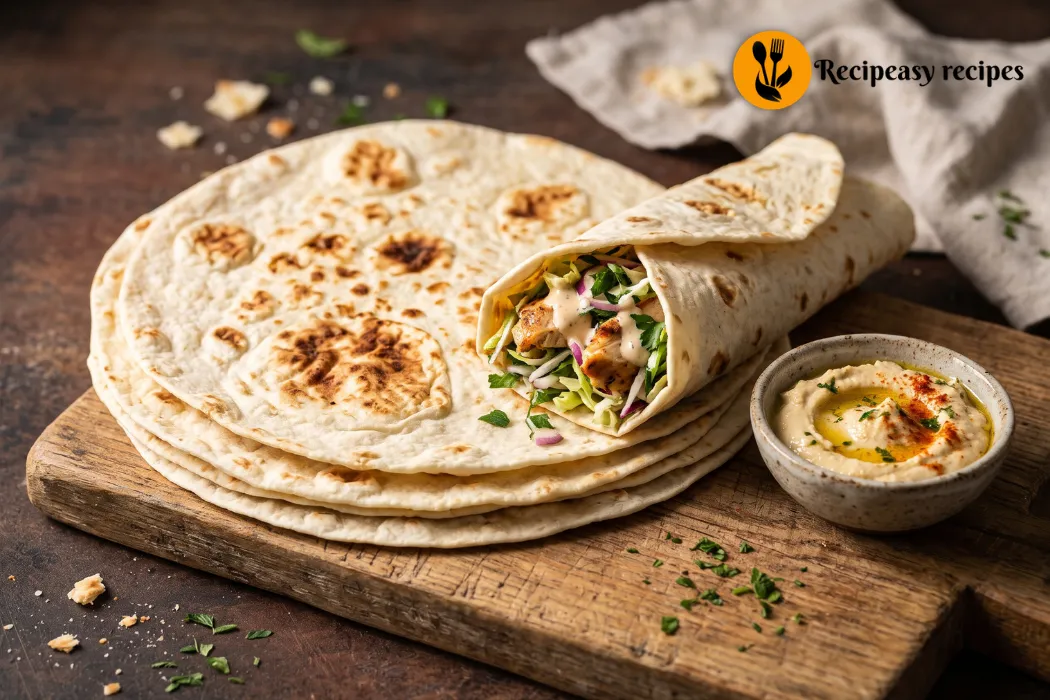
Lavash Bread Recipe (Soft and Flexible Homemade Flatbread)
Making soft lavash at home depends on getting the dough consistency, rolling thickness, and cooking time right. This Lavash Bread Recipe uses simple ingredients like all-purpose flour, yeast, milk, and water to make thin flatbreads without special baking equipment.
The dough needs enough time to rise and rest before rolling. Each portion should be rolled into a thin, even sheet so it cooks quickly without becoming too dry. A properly heated skillet or tawa helps create small bubbles and light brown spots while keeping the bread easy to fold.
In this recipe, you’ll learn how to prepare the dough, roll it without tearing, and cook lavash without making it hard. You’ll also find practical suggestions for serving and storing the finished flatbreads.
What Is Lavash Bread?
Lavash is a traditional thin flatbread popular in Armenia and across the Middle East. It is made from wheat dough, rolled into thin sheets, and traditionally baked in a clay oven. Depending on the recipe, it can be made with or without yeast.
Unlike pita bread, lavash usually does not form a hollow pocket. Its thin, flexible shape makes it ideal for wraps, sandwiches, and serving with dips. This homemade version is cooked on a regular skillet or tawa.
Ingredients for Lavash Bread
You only need a few everyday ingredients to make this flatbread. Each one plays a role in bringing the dough together and giving the finished bread its texture.
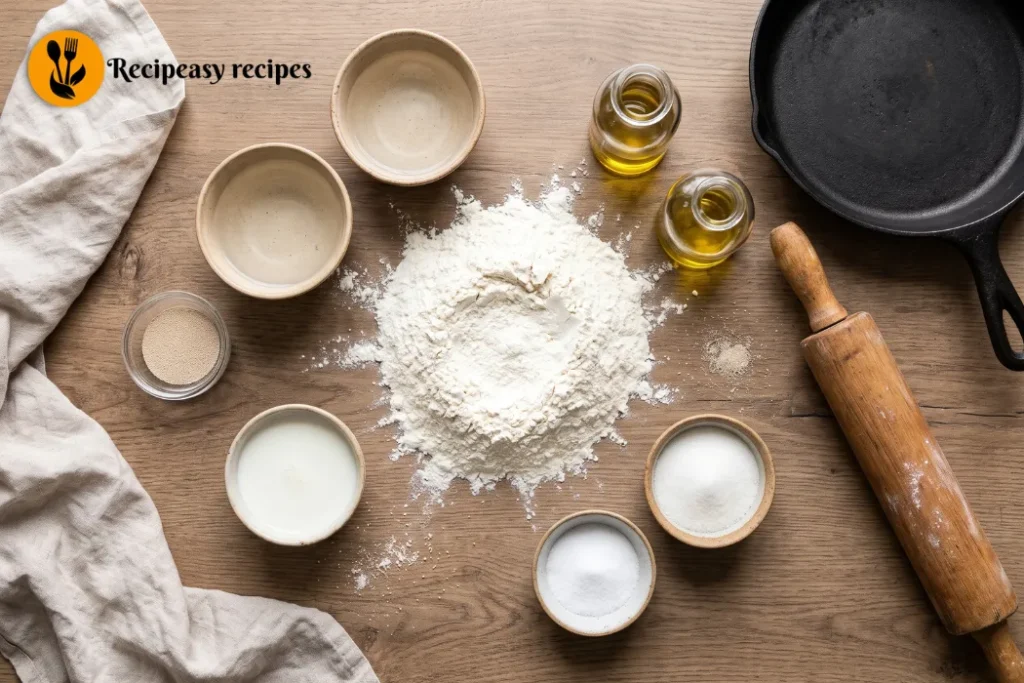
- All-purpose flour: Forms the base of the dough and gives the bread its structure. Measure it carefully to avoid making the dough too dry.
- Warm water: Combines with the flour to form the dough. It should feel warm, not hot.
- Milk: Adds moisture and helps give the flatbread a softer texture.
- Instant yeast: Helps the dough rise and can be mixed directly with the other ingredients.
- Sugar: Provides a small amount of food for the yeast.
- Salt: Adds flavour to the bread.
- Olive oil: Adds richness and helps make the dough smoother.
Ingredient Measurements
- 3¾ cups (450 g) all-purpose flour
- ½ cup (120 ml) warm water
- ½ cup (120 ml) warm milk
- 2¼ teaspoons (7 g) instant yeast
- 1 teaspoon sugar
- 1¼ teaspoons salt
- 1 tablespoon olive oil
Dough consistency tip: Flour can absorb different amounts of liquid depending on the brand and how it is measured. If the dough feels dry and does not come together, add warm water one teaspoon at a time. If it feels very sticky, let it rest for a few minutes before adding extra flour. Too much added flour can make the cooked bread firm.
Step-by-Step: How to Make Lavash Bread at Home
The process involves preparing a yeast dough, allowing it to rise, rolling it into thin sheets, and cooking each piece briefly on a hot skillet.
1. Prepare the Dough
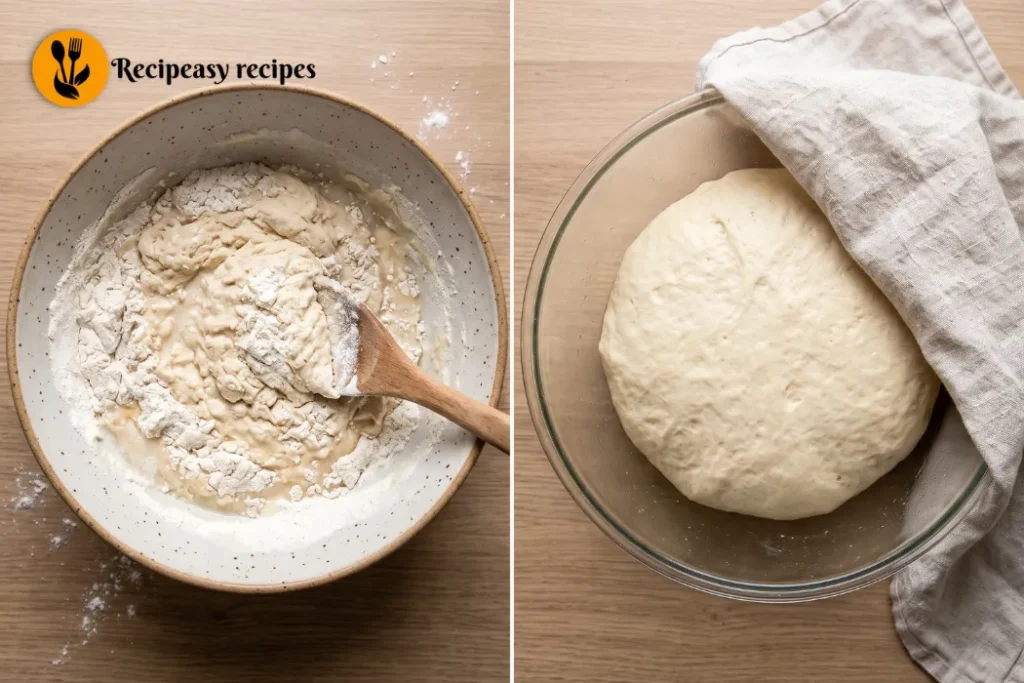
Add the warm water, warm milk, instant yeast, and sugar to a large mixing bowl. Stir gently to combine. Add the flour and salt, then mix until a rough dough starts to form.
Add the olive oil and continue mixing until everything comes together. The dough should feel soft and slightly sticky, but it should not cling heavily to your hands.
2. Make the Dough Soft and Let It Rise
Place the dough on a lightly floured surface and knead it by hand for 8–10 minutes until it becomes smooth and stretchy. You can also use a stand mixer with a dough hook.
Transfer the dough to a lightly oiled bowl and turn it once to coat the surface. Cover with a clean kitchen towel or plastic wrap. Leave it in a warm place for about 60–90 minutes, or until it has grown to about twice its original size.
Rising time depends on the temperature of your kitchen. Instead of relying only on the clock, check that the dough has become noticeably larger and feels airy when gently pressed.
3. Divide and Shape the Dough
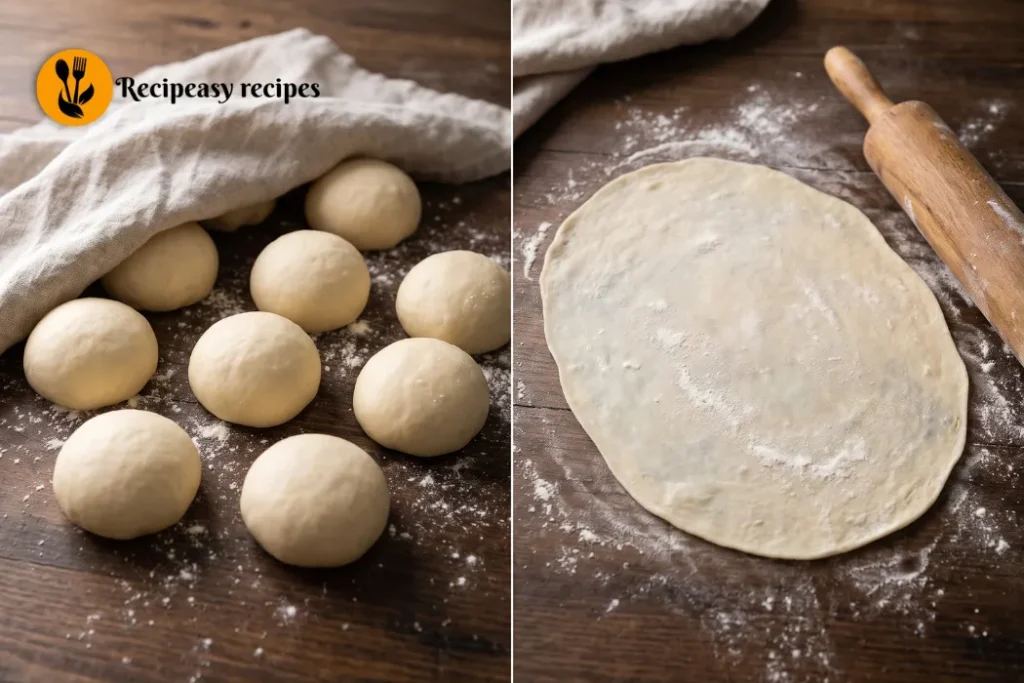
Once the dough has risen, gently press it to release some of the trapped air. Place it on a work surface and divide it into 8–10 equal portions.
Shape each portion into a smooth ball. Cover the dough balls with a clean towel and let them rest for about 15 minutes. This makes them easier to roll.
4. Roll the Lavash Thin
Lightly dust your work surface and rolling pin with flour. Take one dough ball and roll it into a thin round or oval, approximately 8–9 inches wide.
Aim for an even thickness of around 1–2 mm without making holes in the dough. If it keeps shrinking while you roll, cover it and let it rest for another 5–10 minutes before continuing.
Keep the remaining dough balls covered while you work so they do not dry out. Cook each rolled piece soon after shaping.
5. Cook the Lavash on a Skillet
Heat a large, dry skillet or tawa over medium-high heat. Once hot, carefully place one rolled dough round onto the skillet.
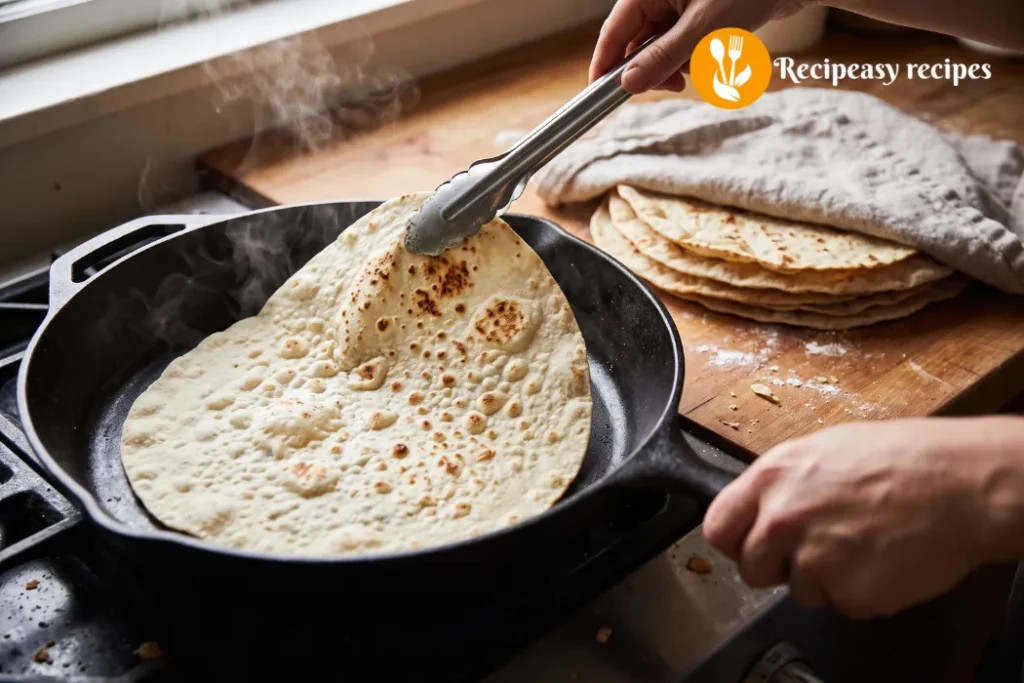
Cook for approximately 30–60 seconds on the first side, until small bubbles appear and light brown spots begin to develop. Flip and cook the other side for another 20–40 seconds.
The surface should no longer look wet or raw, and the bread should remain easy to fold. If it browns too quickly while the inside still looks raw, lower the heat slightly. Avoid cooking it for too long, as this can make it dry and hard.
Transfer each cooked lavash to a plate and cover it with a clean kitchen towel while you cook the remaining pieces. This helps retain moisture and keeps the stack from drying out.
What to Serve with Lavash Bread
Lavash works well with many meals. Its thin shape makes it especially useful for wraps, but it can also be served alongside dips and other dishes. If you enjoy making different flatbreads at home, try this Cottage Cheese Flatbread for another delicious option
- Kebab wraps: Fill lavash with grilled chicken, beef, fresh vegetables, and your favourite sauce.
- Grilled vegetables: Add roasted peppers, onions, tomatoes, and other vegetables for a simple wrap.
- Dips and spreads: Serve it with hummus, baba ganoush, or yoghurt-based dips.
- Soups and stews: Use it alongside a bowl of soup or a hearty stew.
- Sandwich wraps: Add cheese, vegetables, and your preferred filling, then roll it up for lunch.
- Toasted snacks: Cut the bread into pieces, brush lightly with oil, add seasoning, and toast until crisp.
How to Store Lavash Bread
Allow freshly cooked lavash to cool until it is no longer steaming heavily. Stack the flatbreads and place them in a sealed bag or airtight container.
Refrigerate and use within 3–4 days. For longer storage, freezing is a useful option. Warm the bread before serving to make it easier to fold.
How to Freeze Lavash Bread
Place a piece of parchment paper between the flatbreads to prevent them from sticking together. Transfer the stack to a freezer-safe bag, remove excess air, and seal it.
Freeze for up to 2 months for the best quality. Thaw the flatbreads in the refrigerator or at room temperature before reheating.
How to Reheat Lavash Bread
Heat a dry skillet over medium-low heat and warm each flatbread for a few seconds on each side until soft and easy to fold. Alternatively, wrap a small stack in foil and warm it in a low oven. Avoid heating for too long, as this can dry out the bread.
Frequently Asked Questions
Why Is My Lavash Dough Not Rising?
If your dough is not rising, the yeast may be old, or the water and milk may have been too hot or too cold. Make sure the yeast is fresh, and the liquids are comfortably warm. Give the dough enough time to rise, especially if your kitchen is cool.
Why Is My Lavash Bread Not Bubbling?
If your lavash is not forming bubbles, the skillet may not be hot enough, or the dough may be too thick. Heat the skillet properly before cooking and roll the dough into a thin, even sheet. Small bubbles are normal; the bread does not need to puff up like pita.
Conclusion
Homemade lavash is best enjoyed while it is still soft and warm. Use it to make kebab wraps, fill it with grilled vegetables, or serve it alongside your favourite dips. If you have leftovers, store them properly and warm them briefly before serving to bring back their flexibility. With this Lavash Bread Recipe, you can enjoy a versatile flatbread that works with both everyday meals and special gatherings.