Crispy Fish and Chips Recipe
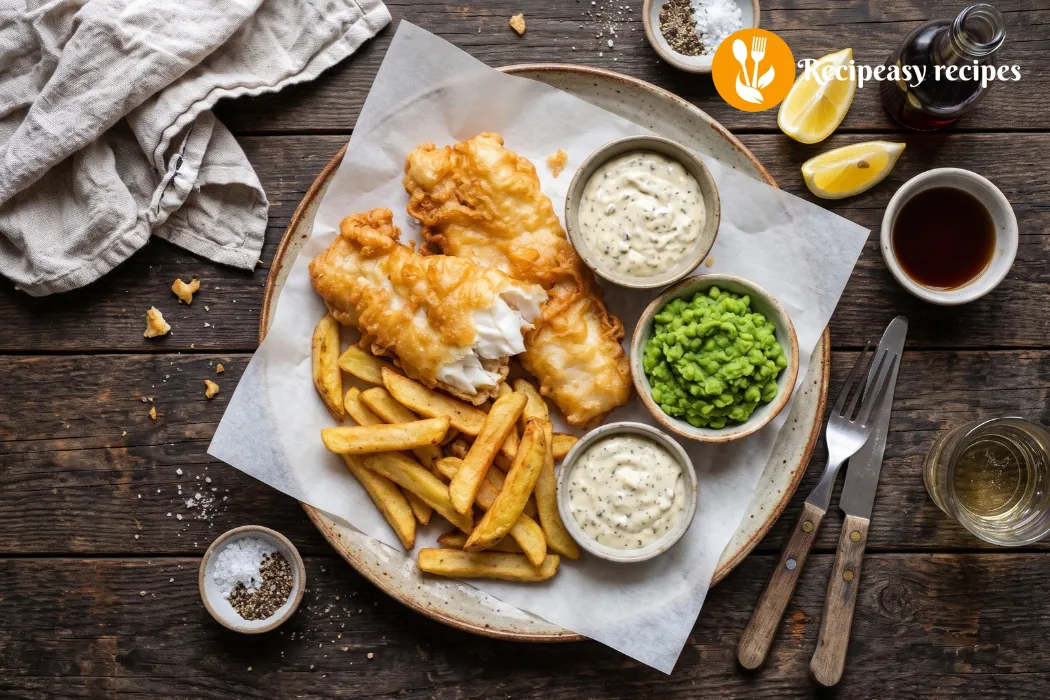
A classic fish and chips recipe is one of the best comfort meals you can make at home. Essentially, this famous British dish features flaky white fish dipped in a light, bubbly coating and fried until golden brown. Alongside the fish, you get thick-cut potato fries that are soft inside and crunchy outside. Plus, making this pub favorite at home is easier than you might think. With just a few simple pantry items and the right frying temperature, you can serve hot, fresh fish and fries right at your dinner table.
What Makes This Fish and Chips Recipe So Special?
First, the secret to great fish and chips comes down to contrast. You want a super crunchy crust that shatters when you bite into it. Inside that crust, the fish should stay moist, tender, and steamy. Similarly, the potatoes need a crisp outer shell with a fluffy, baked-potato center.
Most people think deep-frying at home is messy or hard. However, a deep, heavy pot and a basic kitchen thermometer make the whole process simple. Once you learn a few easy tricks, your homemade version will taste better than any takeout box. After all, nothing beats eating fried fish seconds after it leaves the hot oil.
Choosing the Best Fish for Frying
Before you start cooking, you need to pick the right type of fish. Ideally, look for thick, firm, white fish fillets without skin or bones. Thin fillets will overcook too fast before the outside turns brown.
- Cod: This is the most popular choice. It has a mild flavor and big, chunky flakes that hold together well in hot oil.
- Haddock: Very similar to cod, haddock has a slightly sweeter taste and a tender texture.
- Pollock: Usually cheaper than cod, pollock offers great flavor and cooks evenly.
- Halibut: Though a bit pricier, halibut is very meaty and stays juicy during frying.
Additionally, make sure your fillets are about one inch thick. If you buy frozen fish, thaw it completely in the fridge overnight. Then, press it very dry with paper towels before dipping it in the coating. Wet fish will cause the crust to slide right off in the pan.
Picking the Right Potatoes for Chips
Next, let’s talk about the potatoes. In the United Kingdom, thick fries are called chips. For the best results, choose high-starch potatoes like Russet or Idaho potatoes. Because they have less water and more starch, they fry up extra crisp instead of turning soggy.
Waxy potatoes, like red bliss or fingerling potatoes, do not work well here. Instead of getting fluffy inside, they stay dense and heavy. Therefore, always reach for brown-skinned Russets when shopping for this meal.
Ingredients You Will Need
You do not need fancy items for a simple fish and chips recipe. Most of these things are already sitting in your kitchen cabinets.
For the Chips (Fries)
- 2 pounds Russet potatoes: Peeled or unpeeled, depending on what you like best.
- Cold water: Enough to cover the cut potatoes in a large bowl.
- 2 quarts vegetable oil or peanut oil: These oils handle high heat without smoking or burning.
- 1 teaspoon kosher salt: For seasoning the hot fries right out of the oil.
For the Fish and Coating
- 1 ½ pounds thick cod or haddock fillets: Cut into four even pieces so they cook at the same speed.
- 1 cup all-purpose flour: Plus an extra half cup on a plate for dusting the fish.
- ¼ cup cornstarch: This keeps the crust light and stops it from getting heavy.
- 1 teaspoon baking powder: This creates tiny air bubbles for maximum crunch.
- 1 teaspoon kosher salt: To season the coating from the inside out.
- ½ teaspoon black pepper: Adds a gentle, warm kick.
- 1 cup cold club soda or cold light beer: The cold bubbles make the crust airy and crisp.
- 1 tablespoon vodka (optional): Vodka evaporates faster than water in hot oil, leaving an extra crunchy shell.
How to Make the Fish and Chips Batter
A great fish and chips batter relies on temperature and bubbles. Specifically, you want the liquid to be ice-cold right before you mix it. When ice-cold liquid hits hot oil, it creates steam quickly. As a result, the coating puffs up and turns crispy instead of soaking up grease.
In addition, do not overmix your bowl. Stir the dry ingredients and the cold liquid together gently with a fork or whisk. Stop mixing as soon as the big dry spots disappear. Small lumps in the mixture are completely fine. In fact, overmixing builds gluten, which makes the fried crust chewy instead of crisp.
Step-by-Step Instructions
Follow these easy steps in order so everything finishes hot and fresh at the same time.
Step 1: Prep and Soak the Potatoes
First, scrub your potatoes clean and peel them if you prefer smooth fries. Next, slice them into thick sticks about half an inch wide. Try to make all the sticks the same size so they cook evenly. Afterward, place the raw potato sticks into a big bowl of cold tap water. Let them soak for at least 30 minutes. Soaking washes away extra surface starch that causes fries to burn on the outside before cooking inside.
Step 2: Heat the Oil and Dry the Potatoes
Meanwhile, pour your oil into a large, deep Dutch oven or heavy pot. Make sure the oil only fills the pot halfway so it never bubbles over. Attach a deep-fry thermometer to the side of the pot and heat the oil over medium-high heat until it reaches 325°F (163°C). While the oil heats up, drain the soaked potatoes and spread them on a clean kitchen towel. Pat them completely dry. Remember, water and hot oil do not mix well, so make sure no water droplets remain.
Step 3: First Fry for the Chips
Carefully lower half of the dried potatoes into the 325°F oil using a wire spider strainer or slotted spoon. Fry them for about 4 to 5 minutes. At this stage, they should look pale and feel soft, not brown. Then, lift them out and place them on a wire cooling rack set over a baking sheet. Repeat this step with the second batch of potatoes. Cooking the fries twice is the real secret behind the best fish and chips recipe you will ever try.
Step 4: Raise the Oil Temperature
Now, turn the stove heat up slightly to bring the oil temperature to 375°F (190°C). While you wait for the oil to get hotter, season your dry fish fillets all over with a pinch of salt and pepper. Then, place the extra half cup of plain flour onto a shallow plate. Coat each piece of fish lightly in this dry flour and shake off the extra. This thin flour layer acts like glue so the wet coating sticks to the fish.
Step 5: Mix the Coating and Fry the Fish
Right when the oil hits 375°F, whisk your flour, cornstarch, baking powder, salt, pepper, and cold club soda together in a medium bowl. Immediately dip two floured fish fillets into the cold mixture, letting any extra drip back into the bowl. Gently lower the fish into the hot oil away from your body to avoid splashes. Fry the fish for 5 to 7 minutes, flipping halfway through, until the outside is deep golden brown and crunchy. Finally, move the cooked fish to a clean wire rack and sprinkle with a little salt. Repeat with the remaining two fillets.
Step 6: Second Fry for the Chips
Keep the oil at 375°F. Drop the par-cooked potatoes back into the hot oil in two batches. This time, fry them for just 2 to 3 minutes until they turn golden brown and super crispy. Immediately transfer them to a bowl lined with paper towels, toss with kosher salt, and serve right away alongside your hot fish.
Quick Tips for the Best Results
Even beginners can nail this meal on their first try by keeping a few simple rules in mind.
- Use a wire rack, not paper towels, for the fish: Paper towels trap steam underneath hot fried fish, making the bottom soggy. Instead, resting fish on a wire cooling rack lets air flow all around so every side stays crunchy.
- Do not crowd the pot: Adding too much food at once drops the oil temperature fast. When oil gets too cool, food absorbs grease instead of frying crisp. Therefore, always cook in small batches.
- Keep the oven warm: If you are cooking for a big family, place your wire rack inside a 200°F (93°C) oven. This keeps the first batch of fish crisp and hot while you finish frying the rest.
- Watch your thermometer: Oil temperature changes quickly as you add and remove food. Check the gauge between batches and adjust your burner knob as needed.
Best Sides and Sauces to Serve
Traditionally, pubs serve this meal wrapped in paper with simple, tangy toppings that cut through the rich fried flavors.
- Tartar Sauce: Creamy mayo mixed with chopped pickles, lemon juice, and fresh dill is the classic dipping sauce.
- Malt Vinegar: A quick splash of sharp malt vinegar over the hot fries adds amazing tang without making them heavy.
- Mushy Peas: Warm green peas mashed with a little butter, salt, and mint are a traditional British side dish.
- Fresh Lemon Wedges: Squeezing fresh lemon juice over the crispy crust brightens up every single bite.
- Simple Coleslaw: A crunchy, vinegar-based cabbage slaw brings cool freshness to the plate.
Storing and Reheating Leftovers
Honestly, fried seafood always tastes best right after cooking. However, if you have extra portions left over, you can still save them for lunch the next day. First, let the fish and fries cool down completely on the counter so steam does not build up in the container. Next, store them in an airtight box lined with a paper towel in the refrigerator for up to 2 days.
When you are ready to eat again, skip the microwave completely. Microwaving turns the crunchy shell into mush in seconds. Instead, place the fish and fries in an air fryer or a regular oven at 400°F (200°C) for 6 to 8 minutes. As a result, the outside crisps right back up while the fish warms gently inside.
Frequently Asked Questions
Can I make this gluten-free? Yes, you can easily swap the all-purpose flour for a 1-to-1 gluten-free baking flour blend. Because cornstarch is already naturally gluten-free, the crust will still turn out light and crunchy.
What is the best oil to use? Peanut oil, canola oil, and standard vegetable oil are all top choices. They have a high smoke point and a neutral flavor that lets the fresh fish shine. Avoid olive oil or butter, as they burn at high frying temperatures.
Can I use club soda instead of beer? Absolutely. Cold club soda or seltzer water works just as well as beer because the carbonation creates the same airy bubbles in the crust.
Final Thoughts
Making a crispy fish and chips recipe at home does not require restaurant skills or special machines. By soaking your potatoes, keeping your liquid ice-cold, and watching your oil temperature, you get golden, crunchy perfection every time. Gather your favorite dipping sauces, slice up a few fresh lemons, and enjoy a hot plate of homemade comfort food tonight.