Asturian Fabada Recipe | Spanish Bean Stew with Chorizo
The Asturian Fabada recipe is one of the most comforting and flavorful dishes I’ve ever tried. The first time I made it at home,I was amazed by how rich and hearty it tasted. The creamy beans, smoky sausages, and deep flavors reminded me of traditional Spanish cuisine that warms the soul. It’s not just a dish it’s an experience that brings family and friends together at the table.
I still remember how satisfying it felt to watch the beans slowly simmer and absorb all those flavors. The aroma filled the kitchen and made everyone excited for dinner. This recipe is unique because it combines simplicity with depth a true symbol of Spanish comfort food that anyone can fall in love with.
History & Origin of Asturian Fabada Recipe
Fabada Asturiana originates from Asturias, a region in northern Spain known for its beautiful green landscapes and hearty food culture. Traditionally, this dish was enjoyed by farmers during cold months as a way to stay warm and energized. Over time, it became the national dish of Asturias, representing Spanish hospitality and rustic cooking at its best. Its roots go back centuries, and even today, it remains a proud culinary symbol of Asturian heritage.
What is Asturian Fabada?
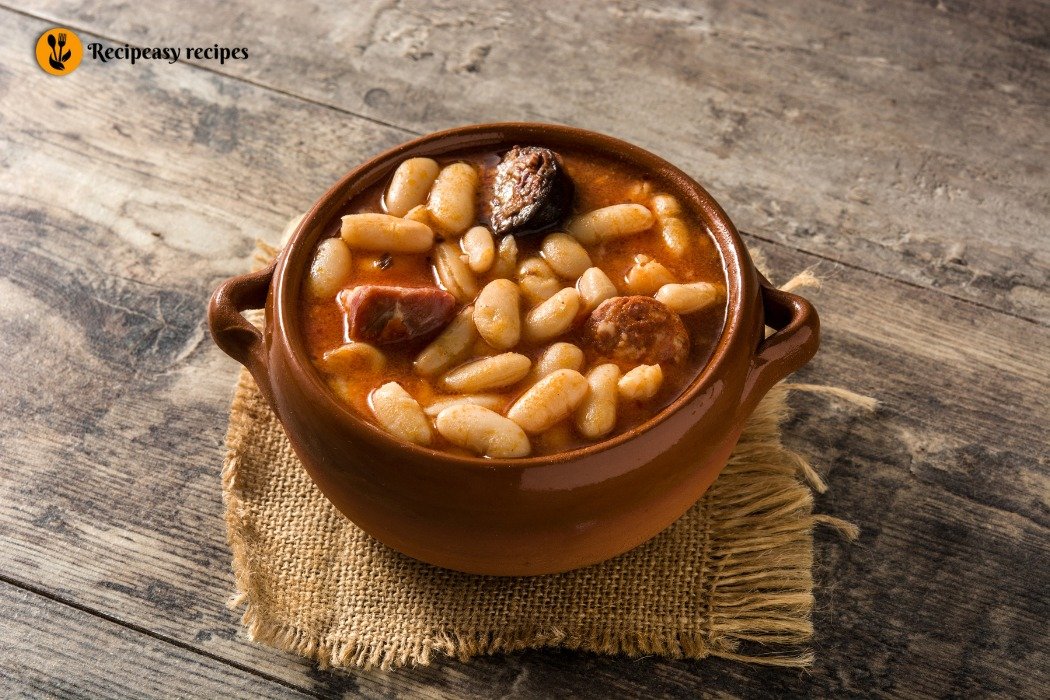
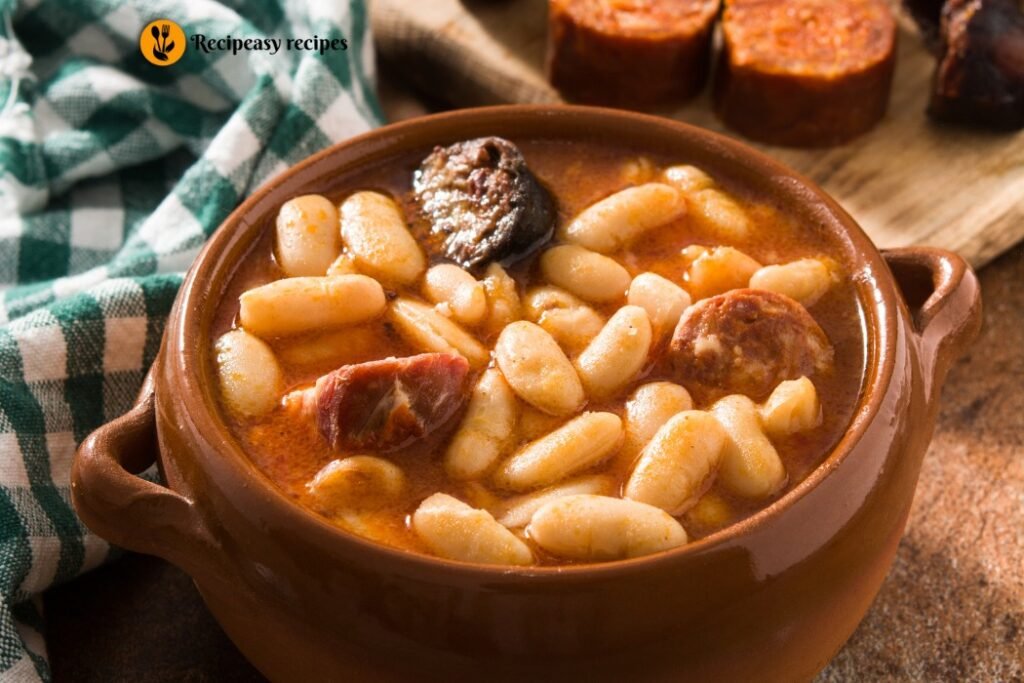
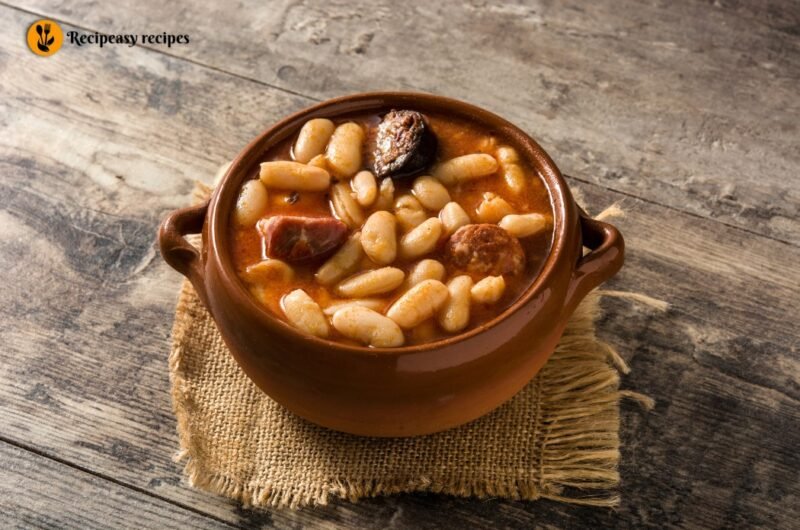
Asturian Fabada is a rich, slow-cooked bean stew made with white faba beans, Spanish chorizo, morcilla (blood sausage), and pork shoulder. The flavors are deep, smoky, and savory perfect for anyone who loves hearty comfort food. The dish is slow-cooked until the beans turn creamy and absorb the flavor of the meats, resulting in a thick, satisfying stew that’s perfect for cold weather or family gatherings.
Why You Will Love Asturian Fabada Recipe
You’ll love this recipe because it’s incredibly comforting and full of bold Spanish flavors. Despite its traditional roots, it’s surprisingly easy to prepare at home. Every bite brings you a perfect blend of creamy beans, smoky sausage, and soft pork. Plus, it’s a slow-cooked fabada at home that fills your kitchen with an irresistible aroma. It’s not just delicious it’s pure Spanish warmth in a bowl.
Equipment You’ll Need
- Large pot or Dutch oven: For slow cooking and even heat distribution.
- Wooden spoon: To stir gently without breaking the beans.
- Strainer: For rinsing the beans before cooking.
- Ladle: To serve the stew evenly.
- Measuring cups: To ensure balanced ingredients and broth ratio.
- Serving bowls: For presenting the dish beautifully with fabada with crusty bread.
Ingredients of Asturian Fabada Recipe
- 500g dried white faba beans (or cannellini beans)
- 200g Spanish chorizo (sliced)
- 150g morcilla (Spanish blood sausage)
- 200g pork shoulder or pancetta
- 1 onion, finely chopped
- 3 garlic cloves, minced
- 1 bay leaf
- 1 teaspoon sweet paprika (pimentón)
- Salt, to taste
- Water (enough to cover ingredients)
- Optional: a few saffron threads for extra flavor and color
How to Make Asturian Fabada Recipe (Step-by-Step)
Making Asturian Fabada at home is simple, but it requires time, patience, and love because the secret lies in slow cooking. Below are the detailed steps that will help you prepare this authentic Spanish bean stew perfectly every time.
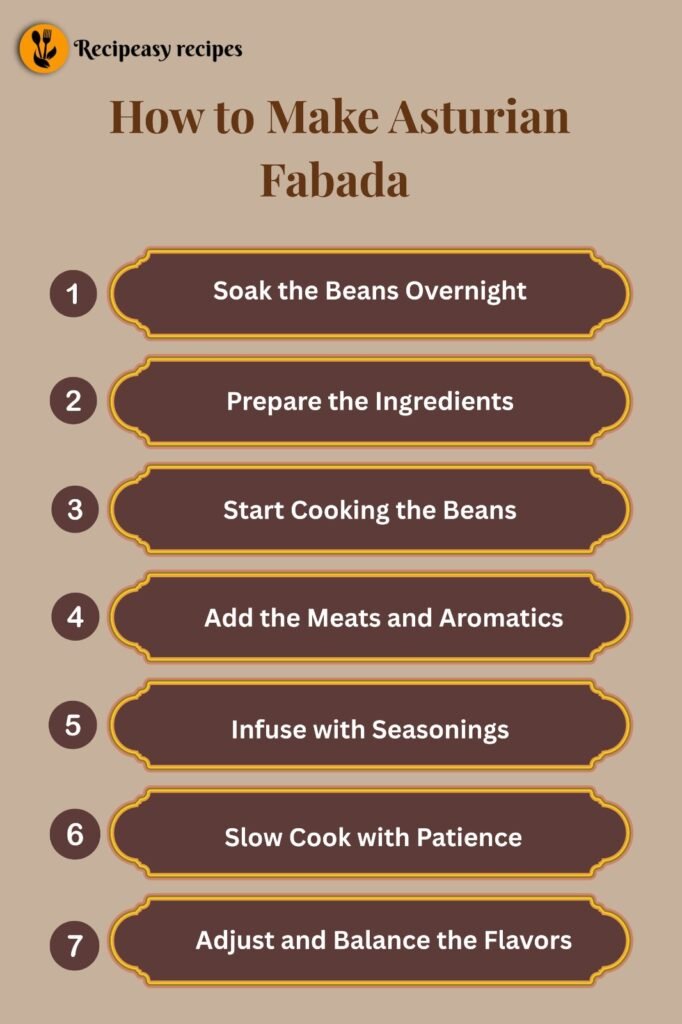
1. Soak the Beans Overnight
Start by rinsing the dried faba beans thoroughly under cold running water to remove any dust or impurities. Transfer them into a large bowl and cover them with enough water (about three times their volume). Let them soak overnight or for at least 10–12 hours. This step is essential soaking softens the beans, reduces cooking time, and helps them absorb flavors more easily. If you skip soaking, the beans may take much longer to cook and might not turn creamy.
2. Prepare the Ingredients
While the beans are soaking, get your other ingredients ready.
Slice the chorizo and morcilla into thick rounds not too thin, because they’ll cook slowly and release oils that flavor the broth. Cut the pork shoulder or pancetta into chunks, and finely chop the onion and garlic cloves. Keep all your ingredients organized, as preparation makes the cooking process smooth and enjoyable.
3. Start Cooking the Beans
Once the beans are soaked and drained, transfer them into a large pot or Dutch oven.
Add fresh cold water until the beans are covered by about two inches. This allows them enough room to cook evenly without drying out. Place the pot on medium heat and slowly bring it to a gentle boil. As the beans start cooking, you’ll notice foam rising to the top this is normal. Skim off the foam using a spoon to keep your stew clean and clear.
4. Add the Meats and Aromatics
When the beans begin to simmer, gently add your prepared chorizo, morcilla, pork shoulder, onion, garlic, and bay leaf. Avoid stirring too much at this stage, as it may break the beans.
The combination of sausages and pork releases flavorful oils into the broth, creating the rich, smoky taste that defines Fabada Asturiana. Let the ingredients mingle naturally this is where the magic starts.
5. Infuse with Seasonings
Once everything is in the pot, sprinkle in sweet paprika (pimentón) and a few saffron threads if you have them. These two ingredients are key to getting that beautiful reddish color and the authentic Spanish flavor. Paprika adds warmth and depth, while saffron provides an earthy aroma and subtle golden tint. Stir gently to mix the seasonings throughout the stew without mashing the beans.
6. Slow Cook with Patience
This is the most important step. Lower the heat to a gentle simmer and cover the pot partially with a lid. Let the fabada cook slowly for about 2 to 3 hours. Check occasionally if the water level drops too low, add a bit of warm water (never cold water, as it can make the beans tough). As it simmers, the flavors from the meats will infuse into the beans, creating a thick, flavorful broth. The slow cooking turns the beans creamy and gives the dish its signature texture. Remember: the longer you cook it slowly, the better it tastes.
7. Adjust and Balance the Flavors
After a few hours, check if the beans are tender. They should be soft but still hold their shape.
Taste the broth and add salt according to preference but only at the end, as adding salt early can toughen the beans. If the broth feels too thick, add a small amount of warm water. If it feels too thin, let it simmer uncovered for another 10–15 minutes to reduce naturally. By now, your kitchen will be filled with a mouthwatering aroma that’s impossible to resist.
8. Rest and Serve the Fabada
Once the fabada is perfectly cooked, remove the pot from the heat and let it rest for 15–20 minutes before serving. Resting helps all the flavors settle and blend beautifully. Serve the Asturian Fabada hot in deep bowls, making sure each portion has a mix of beans, chorizo, morcilla, and pork. Traditionally, it’s served with crusty bread on the side to soak up the thick, flavorful sauce a must-try combination!
Bonus Tip: Slow Cooker Option
If you prefer a more hands-off approach, you can make a slow-cooked fabada at home using a slow cooker.
Just add all the ingredients (except salt) into the slow cooker and cook on low for 6–7 hours or high for 3–4 hours. The result will be just as creamy, flavorful, and hearty as the traditional stovetop version.
Nutrition Information of Asturian Fabada Recipe
- Calories: 480 kcal per serving
- Protein: 28g
- Fat: 20g
- Carbohydrates: 40g
- Fiber: 9g
- Sodium: 950mg
How to Serve Asturian Fabada Recipe
Serve Asturian Fabada hot in deep bowls with crusty bread on the side. It pairs beautifully with a light salad or a glass of red wine. Traditionally, it’s served as a main course during lunch or dinner, especially on chilly days.
Benefits of This Recipe
- High in protein and fiber, keeping you full longer.
- Great for heart health due to nutrient-rich beans.
- Provides energy and warmth, ideal for winter.
- Perfect comfort food made with simple, wholesome ingredients.
FAQs
1. Is Fabada Asturiana healthy?
Yes, it’s a nutritious dish packed with protein, fiber, and healthy carbs, though it should be eaten in moderation due to its rich sausage content.
2. What is the national dish of Asturias?
The national dish of Asturias is Fabada Asturiana, a flavorful bean stew that represents the region’s culinary heritage.
3. What to eat with Fabada Asturiana?
It’s best enjoyed with crusty bread, green salad, or even white rice to balance the richness.
4. Can I make Fabada without morcilla?
Yes, you can skip morcilla or replace it with more chorizo or other sausage types.
5. How can I make slow-cooked Fabada at home?
Use a Dutch oven or slow cooker, cook it on low heat for 3–4 hours, and let the flavors blend naturally.
Conclusion
Asturian Fabada recipe is more than just a meal it’s a taste of Spanish tradition and warmth. Every bowl brings together comfort, history, and flavor in perfect harmony. Whether you’re cooking it for family or guests, this dish promises to impress and satisfy. Once you try it, you’ll understand why it remains one of Spain’s most cherished recipes a timeless classic loved by all.
Asturian Fabada Recipe | Spanish Bean Stew with Chorizo
Course: Lunch / Dinner, Main CourseCuisine: SpanishDifficulty: Medium4
servings30
minutes40
minutes300
kcalEnjoy the authentic taste of Spain with this Asturian Fabada Recipe a rich, slow-cooked bean stew made with white beans, chorizo, morcilla, and pork. Perfect for cozy lunches or hearty dinners, this comforting dish brings traditional Spanish flavors to your table in every bite.
Ingredients
500g dried white faba beans (or cannellini beans)
200g Spanish chorizo (sliced)
150g morcilla (Spanish blood sausage)
200g pork shoulder or pancetta
1 onion, finely chopped
3 garlic cloves, minced
1 bay leaf
1 teaspoon sweet paprika (pimentón)
Salt, to taste
Water (enough to cover ingredients)
Optional: a few saffron threads for extra flavor and color
Directions
- Soak the Beans Overnight
Start by rinsing the dried faba beans thoroughly under cold running water to remove any dust or impurities. Transfer them into a large bowl and cover them with enough water (about three times their volume). Let them soak overnight or for at least 10–12 hours. This step is essential soaking softens the beans, reduces cooking time, and helps them absorb flavors more easily. If you skip soaking, the beans may take much longer to cook and might not turn creamy. - Prepare the Ingredients
While the beans are soaking, get your other ingredients ready.
Slice the chorizo and morcilla into thick rounds not too thin, because they’ll cook slowly and release oils that flavor the broth. Cut the pork shoulder or pancetta into chunks, and finely chop the onion and garlic cloves. Keep all your ingredients organized, as preparation makes the cooking process smooth and enjoyable. - Start Cooking the Beans
Once the beans are soaked and drained, transfer them into a large pot or Dutch oven.
Add fresh cold water until the beans are covered by about two inches. This allows them enough room to cook evenly without drying out. Place the pot on medium heat and slowly bring it to a gentle boil. As the beans start cooking, you’ll notice foam rising to the top this is normal. Skim off the foam using a spoon to keep your stew clean and clear. - Add the Meats and Aromatics
When the beans begin to simmer, gently add your prepared chorizo, morcilla, pork shoulder, onion, garlic, and bay leaf. Avoid stirring too much at this stage, as it may break the beans.
The combination of sausages and pork releases flavorful oils into the broth, creating the rich, smoky taste that defines Fabada Asturiana. Let the ingredients mingle naturally this is where the magic starts. - Infuse with Seasonings
Once everything is in the pot, sprinkle in sweet paprika (pimentón) and a few saffron threads if you have them. These two ingredients are key to getting that beautiful reddish color and the authentic Spanish flavor. Paprika adds warmth and depth, while saffron provides an earthy aroma and subtle golden tint. Stir gently to mix the seasonings throughout the stew without mashing the beans. - Slow Cook with Patience
This is the most important step. Lower the heat to a gentle simmer and cover the pot partially with a lid. Let the fabada cook slowly for about 2 to 3 hours. Check occasionally if the water level drops too low, add a bit of warm water (never cold water, as it can make the beans tough). As it simmers, the flavors from the meats will infuse into the beans, creating a thick, flavorful broth. The slow cooking turns the beans creamy and gives the dish its signature texture. Remember: the longer you cook it slowly, the better it tastes. - Adjust and Balance the Flavors
After a few hours, check if the beans are tender. They should be soft but still hold their shape.
Taste the broth and add salt according to preference but only at the end, as adding salt early can toughen the beans. If the broth feels too thick, add a small amount of warm water. If it feels too thin, let it simmer uncovered for another 10–15 minutes to reduce naturally. By now, your kitchen will be filled with a mouthwatering aroma that’s impossible to resist. - Rest and Serve the Fabada
Once the fabada is perfectly cooked, remove the pot from the heat and let it rest for 15–20 minutes before serving. Resting helps all the flavors settle and blend beautifully. Serve the Asturian Fabada hot in deep bowls, making sure each portion has a mix of beans, chorizo, morcilla, and pork. Traditionally, it’s served with crusty bread on the side to soak up the thick, flavorful sauce a must-try combination!
Notes
- Use authentic Spanish chorizo for true flavor.
- Don’t let the beans boil too fast slow cooking is the secret.
- Always soak the beans overnight for the best texture.
- If the stew gets too thick, add a bit of warm water while cooking.
- Rest the fabada for 15–20 minutes before serving it enhances the taste.