
Easy Oven-Baked Walleye Recipe for Perfectly Flaky Fish
Whether you are a beginner cook or someone who loves experimenting with seafood, this baked walleye recipe is extremely forgiving and hard to get wrong. Each bite delivers a tender, buttery texture with a subtle hint of herbs and lemon, making it perfect for weeknight dinners, family meals, or even special occasions.
Baked Walleye Recipe is one of those dishes I personally tried at home, and I was instantly impressed by its delicate flavor and light, flaky texture. The first time I baked walleye, I was amazed at how a few simple ingredients could transform this mild freshwater fish into a restaurant-quality meal. It’s a perfect recipe for anyone who enjoys healthy, flavorful fish without spending hours in the kitchen.
History of Baked Walleye Recipe
Walleye has been a cherished freshwater fish in North American cuisine for centuries, particularly around the Great Lakes and Midwest regions. Indigenous peoples originally harvested walleye for its mild taste and firm texture, often cooking it simply over open flames or in wrapped leaves. Early settlers quickly adopted the fish, preparing it in various ways including pan-frying, broiling, and, more recently, baking.
Baking walleye became popular due to its ability to preserve the natural sweetness of the fish while keeping it healthy. Unlike frying, baking requires less oil, making it a preferred choice for those conscious about diet and nutrition. Over time, home cooks and chefs alike have developed various seasoning methods to enhance the subtle flavors of this fish.
What is Baked Walleye?
Baked walleye is a method of cooking walleye fillets in the oven at a moderate temperature until they are tender and flaky. This method preserves the fish’s natural moisture, resulting in a soft, buttery texture. Unlike frying, baking avoids excessive oil while allowing the fish to absorb flavors from seasonings, herbs, and lemon.
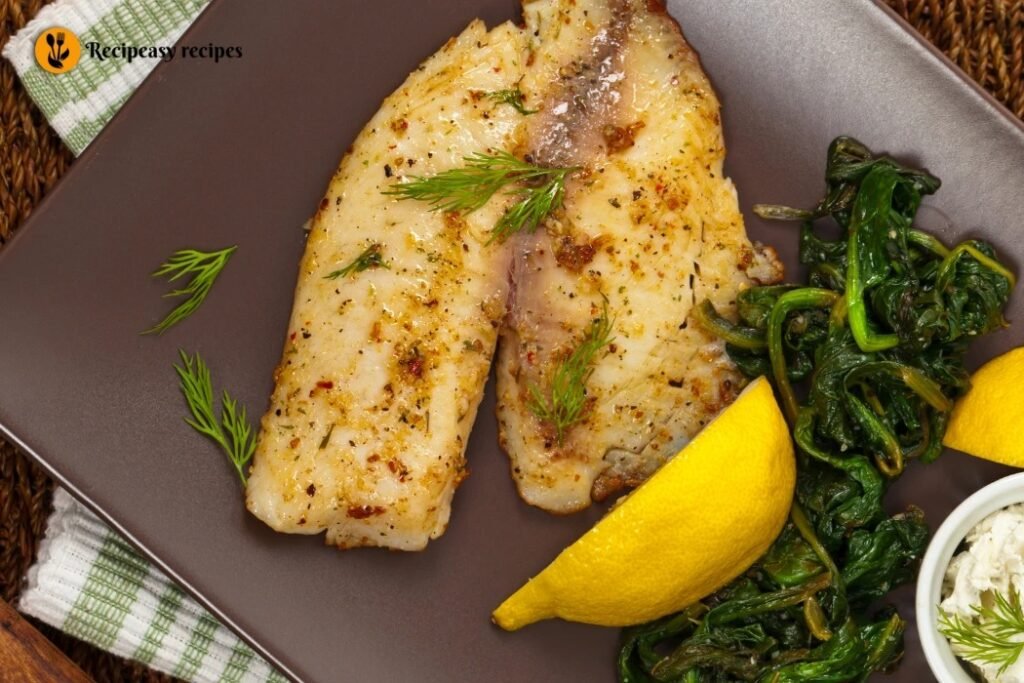
This preparation is versatile you can bake it with a simple butter and herb mixture, a garlic-lemon marinade, or even a light breading for added texture. The outcome is a nutritious, protein-rich dish that highlights the natural flavor of the walleye rather than masking it with heavy sauces or frying oils.
Why Try Baked Walleye Recipe
If you’ve never baked walleye before, this recipe is a fantastic starting point. It’s quick, simple, and requires minimal ingredients, yet produces a dish that tastes sophisticated and flavorful. Baking keeps the fish tender and juicy, unlike pan-frying or deep-frying which can sometimes dry out the delicate flesh.
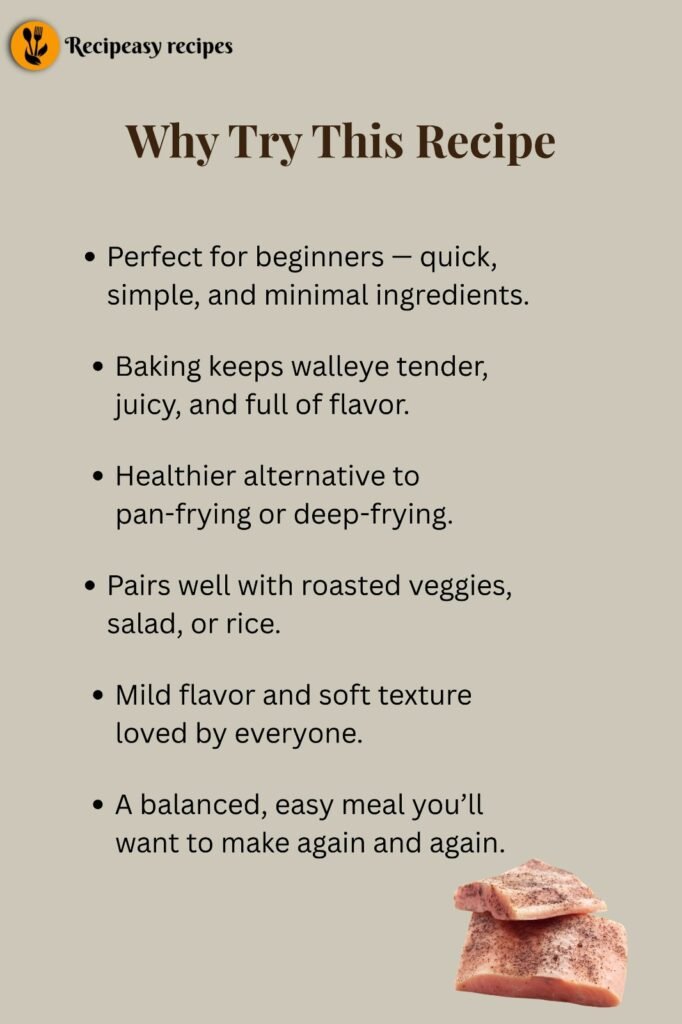
Moreover, this recipe is incredibly versatile. You can serve it with roasted vegetables, a fresh salad, or a side of quinoa or rice for a complete, balanced meal. Even picky eaters often enjoy baked walleye because of its mild flavor and soft texture. Once you try it, you’ll likely make it a regular addition to your weekly meal rotation.
Equipment You’ll Need
To make this baked walleye recipe perfectly every time, gather the following tools:
- Baking Dish: A medium-sized oven-safe dish ensures even cooking and prevents the fillets from overlapping. Ceramic or glass works best.
- Aluminum Foil: Helps lock in moisture and prevents the fish from drying out. Wrapping the fish in foil also makes cleanup easier.
- Measuring Spoons & Cups: Accurate measurement of butter, oil, and seasonings ensures the best flavor balance.
- Knife & Cutting Board: Necessary for trimming fillets, slicing lemon, and mincing garlic.
- Spatula or Fish Turner: Helps remove delicate fillets from the dish without breaking them.
- Oven Mitts: Safety first! Protect your hands while handling the hot baking dish.
Ingredients
Here is the complete list of ingredients for this baked walleye recipe:
- 4 walleye fillets (6 oz each, skin removed for easier baking)
- 2 tablespoons butter, melted (adds richness and prevents dryness)
- 2 tablespoons olive oil (for a light coating and flavor)
- 1 lemon, thinly sliced (enhances flavor with natural acidity)
- 2 cloves garlic, minced (adds aromatic depth)
- 1 teaspoon paprika (for subtle smokiness)
- 1 teaspoon dried parsley (for color and mild herb flavor)
- Salt and freshly ground black pepper, to taste
Optional additions:
- A pinch of cayenne pepper for slight heat
- Fresh thyme or dill for extra herbaceous notes
Baking Walleye Recipe Made Easy: Your Complete Guide
Baking walleye fish at home is easier than most people think, and with the right steps, you can achieve a perfectly tender, flavorful dish every time. Here’s a step-by-step guide that covers everything from preparation to serving, with tips for maximum flavor and texture.
1). Preheat the Oven: Start by preheating your oven to 375°F (190°C). Preheating is essential because it allows the fish to cook evenly from the moment it enters the oven. A consistent temperature ensures that the fillets remain moist inside while forming a delicate, slightly golden crust on the outside.
Pro Tip: If your oven has hot spots, place the baking dish in the center rack to avoid uneven cooking.
2). Prepare Your Baking Dish: Choose a medium-sized, oven-safe baking dish that can hold the fillets without overlapping. Lightly grease the dish with olive oil or butter this prevents sticking and adds a subtle layer of flavor. For even easier cleanup, you can line the dish with parchment paper or aluminum foil.
Extra Tip: If using foil, slightly crimp the edges to create a shallow tray that catches melted butter and juices, which can be drizzled over the fish later.
3). Season the Fillets: Pat each walleye fillet dry using paper towels. Removing excess moisture is key to getting a flavorful crust while keeping the inside tender. Brush both sides with melted butter, then season generously with:
- Salt & freshly ground black pepper
- Paprika for a mild smoky flavor
- Minced garlic for aromatic richness
Gently press the seasonings onto the fillet to ensure they stick. This combination not only adds taste but also helps form a delicate coating that keeps the fish moist during baking.
Pro Tip: For a deeper flavor, lightly score the top of the fillets before seasoning, which allows the butter and spices to penetrate the fish.
4). Add Lemon and Fresh Herbs: Top each fillet with thin lemon slices and a sprinkle of fresh parsley. The lemon provides natural acidity that balances the richness of the butter, while parsley adds color and a mild herb flavor. You can also experiment with fresh dill or thyme for added depth.
Extra Tip: Gently squeeze a bit of lemon juice over the fillets before baking for a brighter, fresher flavor.
5). Arrange the Fillets Carefully: Place the seasoned fillets in the prepared baking dish with space between each fillet. Avoid overlapping, as this can trap moisture and cause the fish to steam rather than bake, which affects texture.
Pro Tip: If you’re cooking for a larger group, use two smaller baking dishes instead of stacking fillets. This ensures even cooking and a perfect crust on each piece.
6). Bake the Fish: Place the dish in the preheated oven and bake for 15–20 minutes, depending on the thickness of the fillets. The fish is done when it flakes easily with a fork and has a tender, moist texture inside. Baking slowly at the correct temperature helps retain natural juices while cooking the fish thoroughly.
Pro Tip: If you’re unsure, check the internal temperature with a food thermometer it should read 145°F (63°C).
7). Optional Broil for a Golden Finish: For a slightly golden, visually appealing top, switch your oven to broil during the last 2–3 minutes of baking. Watch closely to prevent burning, as broiling works quickly. This step adds a delicate crust while keeping the inside tender.
Extra Tip: Brush a tiny bit of butter on the fillets before broiling to enhance browning and flavor.
8). Serve Like a Pro: Carefully remove the fillets using a spatula or fish turner and place them on serving plates. Drizzle any melted butter or natural juices from the baking dish over the fillets for extra flavor.
Serving Suggestions: Pair with roasted vegetables, garlic mashed potatoes, or a light green salad. Garnish with extra lemon slices and a sprinkle of fresh parsley for a restaurant-style presentation.
9). Additional Tips for Perfect Baked Walleye: Avoid Overcrowding: Cook fillets in batches if necessary.
- Marinate for More Flavor: Let fillets sit in butter, lemon, and herbs for 15–20 minutes before baking.
- Crispier Top: Sprinkle a tiny amount of breadcrumbs mixed with herbs on top before baking.
- Check Doneness Often: Walleye cooks quickly; overbaking can make it dry.
Nutrition Information
Each fillet provides:
- Calories: 220
- Protein: 25g
- Fat: 12g
- Carbohydrates: 1g
- Fiber: 0g
- Omega-3 Fatty Acids: Supports heart and brain health
This recipe is high in protein and low in calories, making it a healthy option for any diet.
How to Serve Baked Walleye Recipe
Serve baked walleye hot with a side of lightly roasted vegetables such as asparagus, zucchini, or green beans. You can also pair it with boiled or mashed potatoes for a heartier meal. Garnish with fresh lemon wedges and a sprinkle of parsley to enhance both flavor and presentation. For a restaurant-style touch, drizzle a little melted butter or light garlic sauce over the fillets.
Benefits of This Recipe
- High in Protein: Excellent source of lean protein for muscle health.
- Low in Calories & Fat: A heart-healthy alternative to fried fish.
- Omega-3 Rich: Supports cardiovascular and brain function.
- Quick & Simple: Minimal prep time makes it perfect for weeknights.
- Kid-Friendly: Mild flavor appeals to children and picky eaters.
FAQs
1. What does walleye fish taste like?
Walleye has a mild, slightly sweet flavor with a firm, flaky texture that works well for baking or pan-searing.
2. Is walleye better baked or fried?
Baking is healthier and keeps the fish moist, while frying adds crispiness but extra calories.
3. Can I use frozen walleye fillets?
Yes, but thaw completely and pat dry to avoid excess moisture and soggy texture.
4. What sauces go well with baked walleye?
Light butter sauce, garlic-lemon sauce, or fresh herb dressings pair beautifully.
5. How do I prevent sticking to the pan?
Grease the baking dish well and avoid moving fillets until fully cooked.
Conclusion
This baked walleye recipe is a simple, healthy, and flavorful way to enjoy freshwater fish at home. The tender, buttery texture, combined with a subtle hint of lemon and herbs, makes it a standout dish for any occasion. Easy to prepare and high in protein, this recipe is perfect for both beginners and experienced cooks. Try it once, and you’ll understand why baked walleye has become a favorite for home-cooked meals across North America.
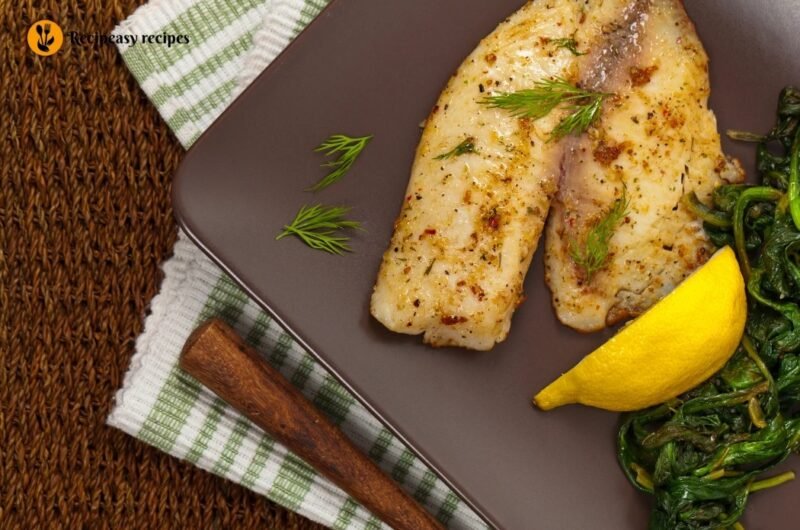
Easy Oven-Baked Walleye Recipe for Perfectly Flaky Fish
Course: Main Course / DinnerCuisine: North American / AmericanDifficulty: Easy4
servings10
minutes20
minutes220 kcal
kcalLearn this easy baked walleye recipe with tender, flaky fillets, lemon, and herbs. Perfect for a healthy weeknight or family dinner.
Ingredients
4 walleye fillets (6 oz each, skin removed for easier baking)
2 tablespoons butter, melted (adds richness and prevents dryness)
2 tablespoons olive oil (for a light coating and flavor)
1 lemon, thinly sliced (enhances flavor with natural acidity)
2 cloves garlic, minced (adds aromatic depth)
1 teaspoon paprika (for subtle smokiness)
1 teaspoon dried parsley (for color and mild herb flavor)
Salt and freshly ground black pepper, to taste
Directions
- Preheat the Oven: Start by preheating your oven to 375°F (190°C). Preheating is essential because it allows the fish to cook evenly from the moment it enters the oven. A consistent temperature ensures that the fillets remain moist inside while forming a delicate, slightly golden crust on the outside.
Pro Tip: If your oven has hot spots, place the baking dish in the center rack to avoid uneven cooking. - Preheat the Oven: Start by preheating your oven to 375°F (190°C). Preheating is essential because it allows the fish to cook evenly from the moment it enters the oven. A consistent temperature ensures that the fillets remain moist inside while forming a delicate, slightly golden crust on the outside.
Pro Tip: If your oven has hot spots, place the baking dish in the center rack to avoid uneven cooking. - Preheat the Oven: Start by preheating your oven to 375°F (190°C). Preheating is essential because it allows the fish to cook evenly from the moment it enters the oven. A consistent temperature ensures that the fillets remain moist inside while forming a delicate, slightly golden crust on the outside.
Pro Tip: If your oven has hot spots, place the baking dish in the center rack to avoid uneven cooking. - Add Lemon and Fresh Herbs
Top each fillet with thin lemon slices and a sprinkle of fresh parsley. The lemon provides natural acidity that balances the richness of the butter, while parsley adds color and a mild herb flavor. You can also experiment with fresh dill or thyme for added depth.
Extra Tip: Gently squeeze a bit of lemon juice over the fillets before baking for a brighter, fresher flavor. - Add Lemon and Fresh Herbs
Top each fillet with thin lemon slices and a sprinkle of fresh parsley. The lemon provides natural acidity that balances the richness of the butter, while parsley adds color and a mild herb flavor. You can also experiment with fresh dill or thyme for added depth.
Extra Tip: Gently squeeze a bit of lemon juice over the fillets before baking for a brighter, fresher flavor. - Add Lemon and Fresh Herbs
Top each fillet with thin lemon slices and a sprinkle of fresh parsley. The lemon provides natural acidity that balances the richness of the butter, while parsley adds color and a mild herb flavor. You can also experiment with fresh dill or thyme for added depth.
Extra Tip: Gently squeeze a bit of lemon juice over the fillets before baking for a brighter, fresher flavor. - Optional Broil for a Golden Finish
For a slightly golden, visually appealing top, switch your oven to broil during the last 2–3 minutes of baking. Watch closely to prevent burning, as broiling works quickly. This step adds a delicate crust while keeping the inside tender.
Extra Tip: Brush a tiny bit of butter on the fillets before broiling to enhance browning and flavor. - Serve Like a Pro
Carefully remove the fillets using a spatula or fish turner and place them on serving plates. Drizzle any melted butter or natural juices from the baking dish over the fillets for extra flavor.
Serving Suggestions: Pair with roasted vegetables, garlic mashed potatoes, or a light green salad. Garnish with extra lemon slices and a sprinkle of fresh parsley for a restaurant-style presentation. - Serve Like a Pro
Carefully remove the fillets using a spatula or fish turner and place them on serving plates. Drizzle any melted butter or natural juices from the baking dish over the fillets for extra flavor.
Serving Suggestions: Pair with roasted vegetables, garlic mashed potatoes, or a light green salad. Garnish with extra lemon slices and a sprinkle of fresh parsley for a restaurant-style presentation.
Notes
- Always use fresh or properly thawed walleye fillets for the best taste and texture.
- Avoid overcooking; walleye cooks quickly and should remain moist inside.
- Fresh herbs elevate flavor significantly, but dried herbs work if fresh are unavailable.
- Marinate fillets briefly (15–20 minutes) before baking for a deeper flavor infusion.
- Use a thermometer if unsure internal fish temperature should reach 145°F (63°C).