Chickpea Pasta Recipe (Easy, Healthy & Restaurant-Style Weeknight Dinner)
I’ll be honest I came to chickpea pasta a little late. For a long time I assumed it was one of those health-food substitutes that technically works but doesn’t actually taste good. You know the type. You eat it and spend the whole meal wishing you’d just made regular pasta.
Then a friend left a box of Banza at my place after a dinner party, and I figured I’d use it before it sat in my pantry forever. That first chickpea pasta recipe I threw together on a Tuesday night changed my mind completely and I’ve been making variations of it ever since.
First, a word about the pasta itself
Chickpea pasta cooks differently than wheat pasta, and I wish someone had told me that upfront. The first time I made it, I pulled it off the heat at the same time I would have with regular spaghetti, and it was slightly too soft almost gluey in the center. Not terrible, but not what I wanted.
Now I start checking it about two minutes early. It firms up more as it sits, so pulling it right at al dente or even just before gives you a much better result. Also, don’t skip salting your pasta water. With Banza recipes especially, that seasoning matters more than you’d think because the pasta itself has a very mild, slightly beany flavor that needs a little help.
What I actually put in it (and why)
This version is built around a pan sauce that comes together while the pasta cooks, so you’re not standing around waiting. Here’s what goes in:
Two tablespoons of olive oil. Four cloves of garlic, sliced thin not minced, sliced. There’s a difference in how it tastes once cooked. One can of diced tomatoes. A big handful of baby spinach. Half a teaspoon of red pepper flakes. Salt, pepper, and a generous amount of parmesan at the end. Optional but strongly recommended: a small splash of the pasta cooking water to bring everything together.
The ingredients are genuinely pantry-level simple, which is part of why this became a regular in my rotation. On nights when I don’t feel like planning anything, this is what I make.
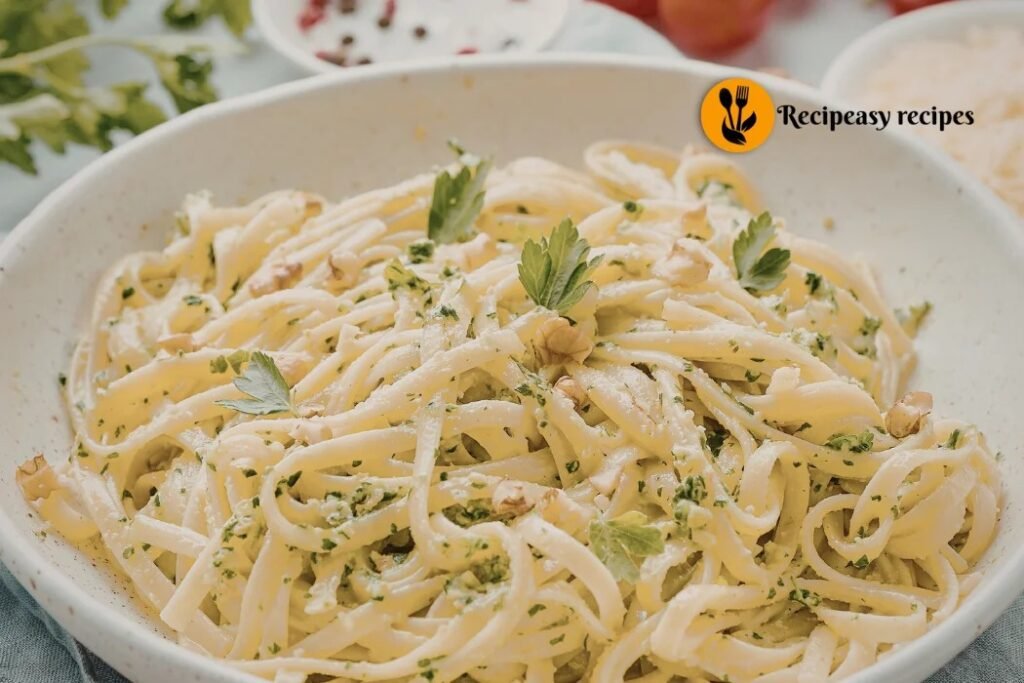
Building the sauce while the pasta cooks
Start the pasta water first. While it’s coming to a boil, warm the olive oil in a wide pan over medium heat. Add the sliced garlic and let it go slowly you want it golden and a little fragrant, not browned. I’ve rushed this step before and burnt the garlic, which made the whole dish taste slightly bitter. Low and slow is the move here.
Once the garlic is soft and lightly golden, add the canned tomatoes. Season them well. Meanwhile, your pasta should be going in the boiling water. Let the tomatoes simmer and reduce for about eight minutes you want them to concentrate and deepen in flavor, not just stay watery. Before draining the pasta, scoop out about a quarter cup of that starchy cooking water. Then drain and add the pasta directly to the sauce pan.
Toss everything together over low heat, add the spinach (it wilts in about a minute), and then add a splash of the pasta water. This is where it becomes something better than the sum of its parts. The starchy water emulsifies with the olive oil and tomatoes into this loose, glossy coating that clings to the pasta. Finish with parmesan and a crack of black pepper.
The creamy version — worth mentioning
After making the tomato version a dozen times, I started experimenting with a creamy variation. Same base garlic, olive oil but instead of canned tomatoes, I add half a cup of heavy cream and a handful of sun-dried tomatoes. Then parmesan stirred in at the end. It’s richer, obviously, but the chickpea pasta holds up to it really well. Better than I expected, actually. Something about the slightly denser texture of chickpea pasta works with a cream sauce in a way that regular pasta sometimes doesn’t.
If you’re going the creamy route, add a little lemon zest at the end. It cuts through the richness and makes the whole thing taste brighter.
This is genuinely a vegetarian recipe worth making
I say that as someone who usually needs some kind of protein anchor to feel satisfied after a meal. The chickpea pasta itself has more protein and fiber than regular pasta, so you don’t get that familiar hollow feeling an hour later. As vegetarian recipes go, this one doesn’t ask you to sacrifice anything not flavor, not texture, not fullness.
The tomato version especially it tastes like something that took effort. People always assume I spent more time on it than I did, which is honestly the best thing you can say about a weeknight meal.
One small tip before you go
Don’t rinse the pasta after draining. I know some people do this out of habit, but it washes away the starch on the surface, and that’s what helps the sauce stick. Keep it as-is and go straight into the pan.
Summary
This chickpea pasta recipe is proof that the “healthy swap” doesn’t have to mean settling. Once you get the timing right and treat it like its own ingredient rather than a direct substitute, it opens up into something you’ll genuinely want to cook again not just when you’re trying to eat better, but any night you want dinner done fast and done well.
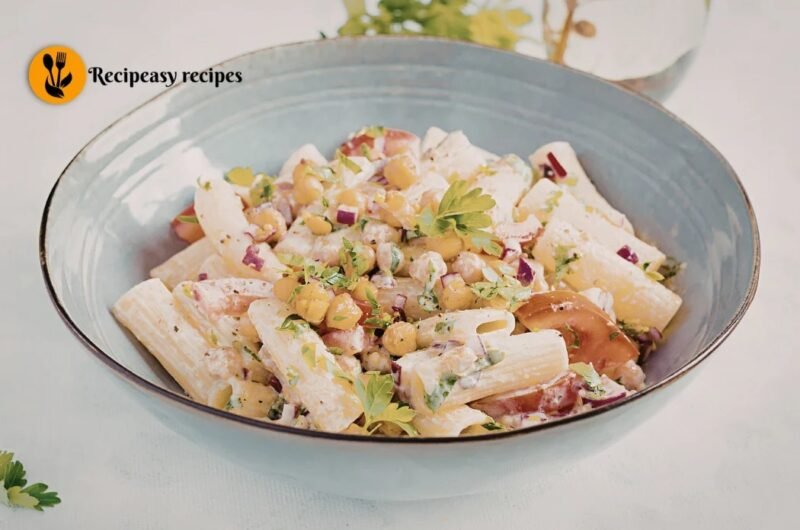
The Pasta That Made Me Stop Feeling Guilty About a Big Bowl of Carbs
Course: Main, DinnerCuisine: Italian-Inspired / VegetarianDifficulty: Easy3
servings5
minutes15
minutes420
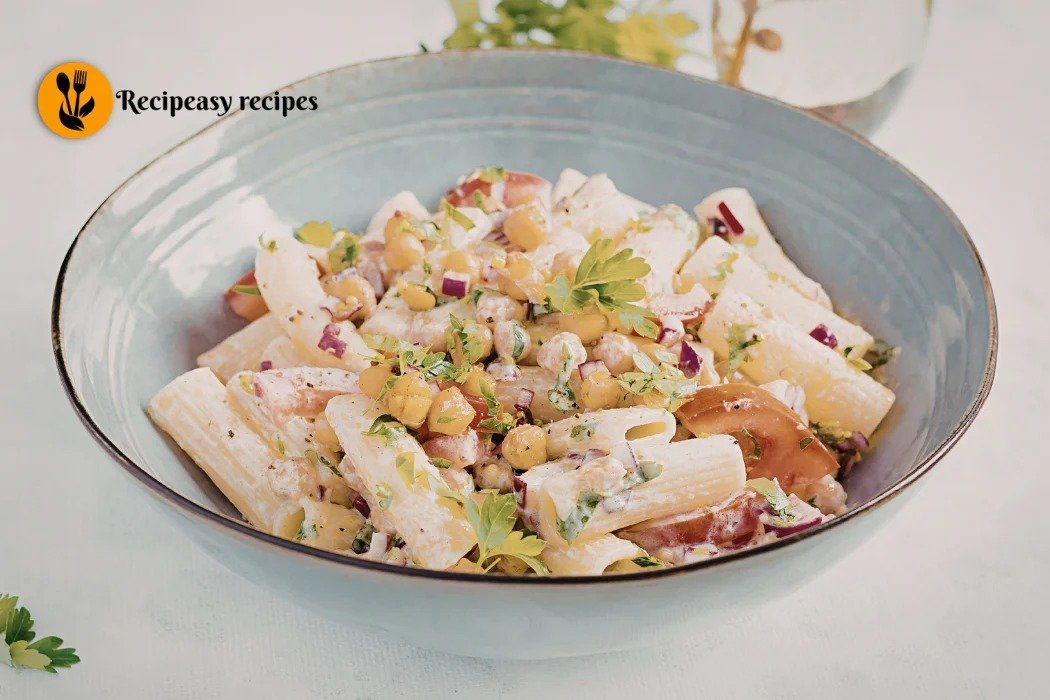
kcalThis chickpea pasta recipe is a quick and satisfying meal made with chickpea pasta, garlic, tomatoes, spinach, and parmesan. It’s a healthy, high-protein dinner that feels comforting while still being light and nourishing.
Ingredients
200g chickpea pasta (e.g., Banza)
2 tbsp olive oil
4 garlic cloves (thinly sliced)
1 can diced tomatoes
1 cup baby spinach
½ tsp red pepper flakes
Salt and black pepper to taste
¼ cup pasta water (reserved)
¼ cup grated parmesan cheese
Directions
- Bring a pot of salted water to boil and cook chickpea pasta until just al dente (check 1–2 minutes early).
- While pasta cooks, heat olive oil in a pan over medium heat.
- Add sliced garlic and cook slowly until golden and fragrant.
- Add canned tomatoes, season with salt, pepper, and red pepper flakes. Simmer for 8–10 minutes.
- Reserve ¼ cup pasta water, then drain pasta.
- Add pasta directly into the sauce and toss well.
- Add spinach and cook until wilted.
- Add pasta water to loosen sauce and create a glossy coating.
- Finish with parmesan and black pepper. Serve warm.
Notes
- Don’t overcook chickpea pasta — it becomes soft quickly.
- Do not rinse pasta after cooking to help sauce stick properly.
- Pasta water is key for silky sauce in this chickpea pasta recipe.