Chili Lime Seasoning Recipe — The Blend I Keep in My Pantry Year-Round
I’ll be honest — I used to buy those little spice jars from the store without thinking twice. Then one afternoon I ran out mid-recipe, with chicken already marinating and nothing to finish it with. That’s when I threw together my first homemade chili lime seasoning recipe, and I haven’t looked back since.
It takes maybe five minutes. The flavor? Way better than anything in a jar.
What Goes Into It (and Why Each Thing Matters)
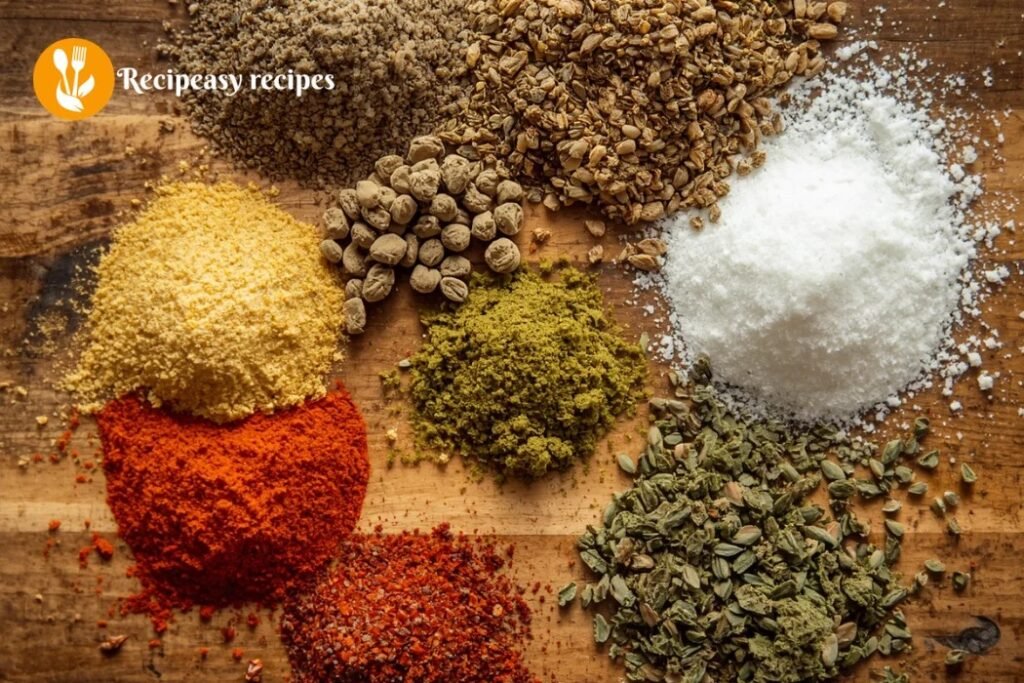
The beauty of this blend is that nothing in it is there by accident. Here are the chili lime seasoning recipe ingredients I use every single time:
2 tablespoons chili powder 1 teaspoon cayenne pepper (reduce to half if you’re sensitive to heat) 1 tablespoon cumin 1 teaspoon smoked paprika 1 teaspoon garlic powder 1 teaspoon onion powder 1 tablespoon lime zest, dried (or 1 teaspoon citric acid) 1 and a half teaspoons salt Half teaspoon black pepper Half teaspoon sugar (optional, but I always add it)
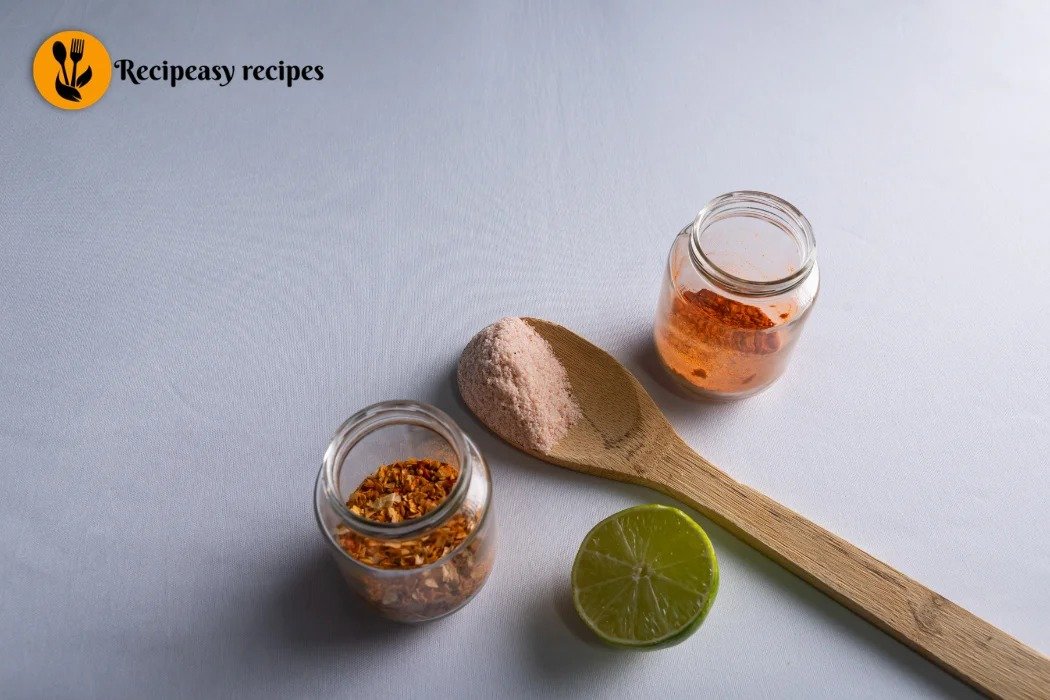
Now, the lime part tripped me up the first time. I used fresh lime zest straight from the fruit and mixed it in. It clumped together almost immediately and made the blend kind of wet and uneven. So I learned to either dry the zest first — spread it on a plate and let it sit for a few hours — or just use citric acid powder, which blends perfectly and gives that sharp citrusy punch without any moisture issues.
The sugar is optional on paper, but in practice it balances everything. Chili and lime together can be quite aggressive, and just a pinch of sugar rounds the edges without making it sweet.
Putting It Together
Once your ingredients are ready, this is genuinely as simple as it gets. Add everything to a small bowl and stir until it’s fully combined. That’s it.
However, I do want to mention one thing I notice every time — the smell when you first mix the cumin and smoked paprika together is incredible. Earthy, warm, almost smoky. Then the lime note cuts through it and you get something that smells almost tropical. It’s one of those small kitchen moments that makes you feel like you actually know what you’re doing.
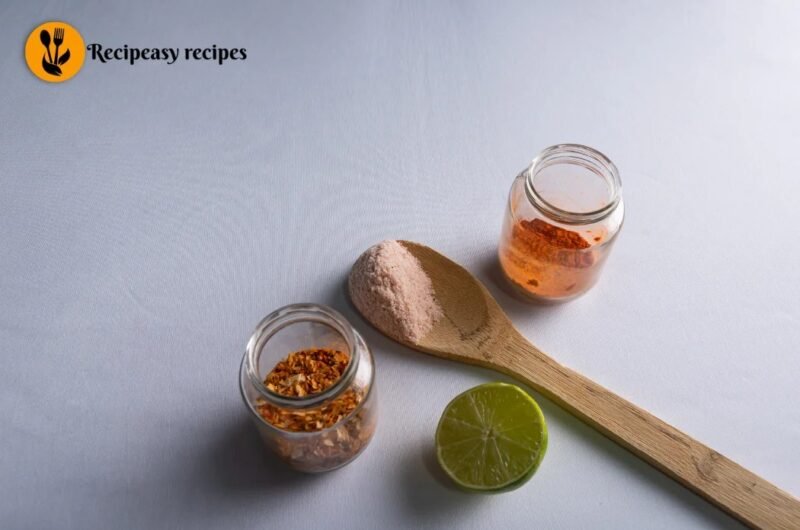
Store it in a small glass jar with a tight lid. It keeps well for about two to three months, though mine never lasts that long.
The Best Uses — Because This Blend Does a Lot
Understanding chili lime seasoning uses honestly changed how I cook weeknight meals. This isn’t a single-purpose spice mix.
The most obvious one is chicken. A chili lime seasoning recipe for chicken is practically foolproof coat your chicken thighs or breasts with olive oil, rub this blend generously on both sides, and either grill, bake, or pan-sear it. At 400°F in the oven, boneless thighs take about 22 to 25 minutes. The outside gets this gorgeous reddish crust and the inside stays juicy. I slightly overcooked it the first time because I kept opening the oven. Now I just set the timer and walk away.
Beyond chicken, I use it on:
Roasted chickpeas — toss with oil and roast at 425°F until crispy. Addictive. Corn on the cob — mix with butter and brush it on after grilling. This one gets requested at every barbecue. Shrimp tacos — quick two-minute marinade and then straight into a hot skillet. Popcorn — sounds strange, works beautifully. Avocado toast — just a light sprinkle changes the whole thing. Mango slices — I know, I know. But try it once and you’ll understand.
A Few Things I’d Tell Someone Making This for the First Time
If you’re working on a simple chili lime seasoning recipe and want to keep things minimal, you can skip the smoked paprika and onion powder and it’ll still be good. The non-negotiables are chili powder, cumin, lime (in some form), salt, and cayenne. Everything else is building flavor on top of that base.
Also, don’t be afraid to adjust the heat. The amount of cayenne I listed gives a medium kick noticeable but not overwhelming. If you’re making this for kids or people with low spice tolerance, cut it down to a quarter teaspoon or leave it out entirely.
One more thing: if you taste it straight off the spoon, it’ll seem quite intense. That’s normal. Seasoning blends are concentrated, and once it hits actual food with fat and protein, the flavor mellows and opens up in a completely different way.
Why Homemade Just Wins Here
The best chili lime seasoning recipe isn’t about following a rigid formula it’s about understanding the ratios and then making it your own. Store-bought blends often have fillers, anti-caking agents, and a lot more sodium than you’d want. When you make it yourself, you control everything.
And honestly, knowing how to make chili lime seasoning from scratch makes you feel like less of a passive consumer in the kitchen. You stop relying on specific brand names and start understanding flavor which is the whole point of cooking anyway.
I keep a small jar of this next to my stove almost permanently now. It’s the kind of thing that quietly makes everything taste better, without anyone being able to immediately put their finger on why. That’s exactly what a good spice blend should do.
Make a batch this weekend. You’ll find reasons to use it faster than you expect.
Chili Lime Seasoning Recipe — The Blend I Keep in My Pantry Year-Round
Course: Spice BlendCuisine: MexicanDifficulty: Easy6
servings5
minutes5
minutes6
kcalIngredients
2 tablespoons chili powder
1 teaspoon cayenne pepper (adjust to taste)
1 tablespoon cumin
1 teaspoon smoked paprika
1 teaspoon garlic powder
1 teaspoon onion powder
1 tablespoon dried lime zest (or 1 teaspoon citric acid)
1½ teaspoons salt
½ teaspoon black pepper
½ teaspoon sugar (optional)
Directions
- Add all ingredients to a small mixing bowl.
- Stir well until everything is evenly combined.
- Taste and adjust salt or spice level if needed.
- Transfer to an airtight glass jar.
Notes
- If using fresh lime zest, dry it first to avoid clumping.
- Citric acid gives a stronger, more consistent tangy flavor.
- Flavor will intensify after a day of resting.
- Reduce cayenne for a milder version.