Simple and Delicious Chinese Chives Recipe You Will Actually Use
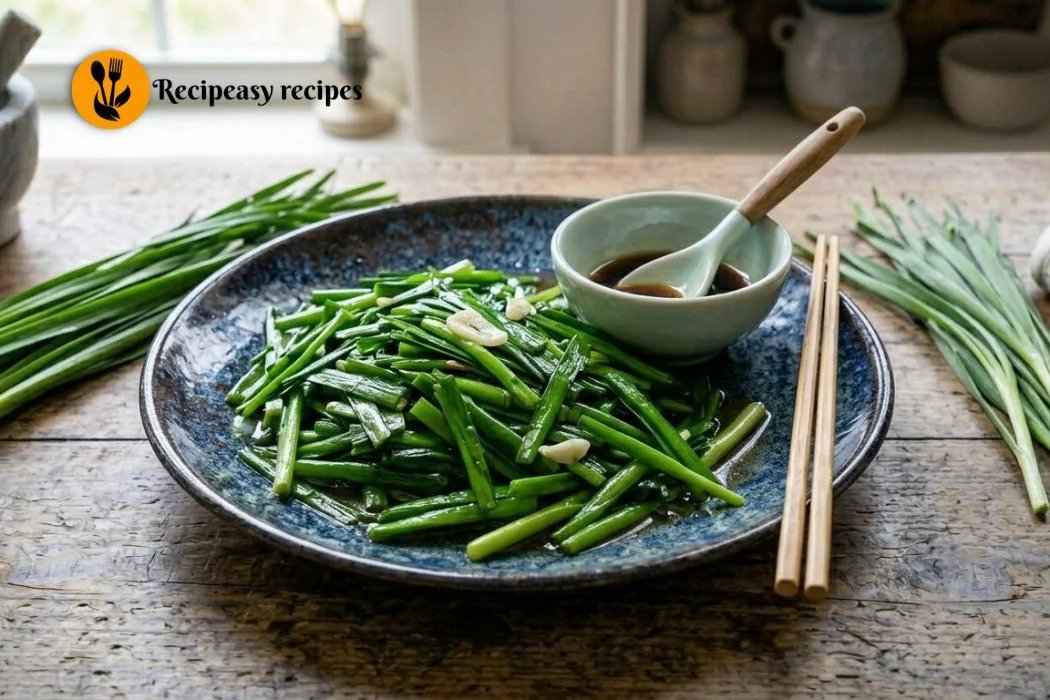
Chinese chives recipe ideas are more useful than most people realize. These flat, dark green leaves have a strong garlic flavor that makes even a simple dish taste really good. And the best part? They cook in minutes.
Here is everything you need to know – from what Chinese chives actually are to three ways you can cook them tonight.
What Are Chinese Chives?
Chinese chives look like long, flat grass. They smell and taste like a cross between garlic and onion – but stronger than regular chives. You will usually find them in Asian grocery stores, sometimes labeled as garlic chives.
They are used a lot in Chinese home cooking. Stir fries, dumplings, pancakes, noodles – Chinese chives show up everywhere.
The Easiest Way to Start: Chives and Eggs
If you have never cooked with Chinese chives before, start with the Chinese chives and egg recipe. It is fast, cheap, and one of the most comforting dishes in Chinese home cooking.
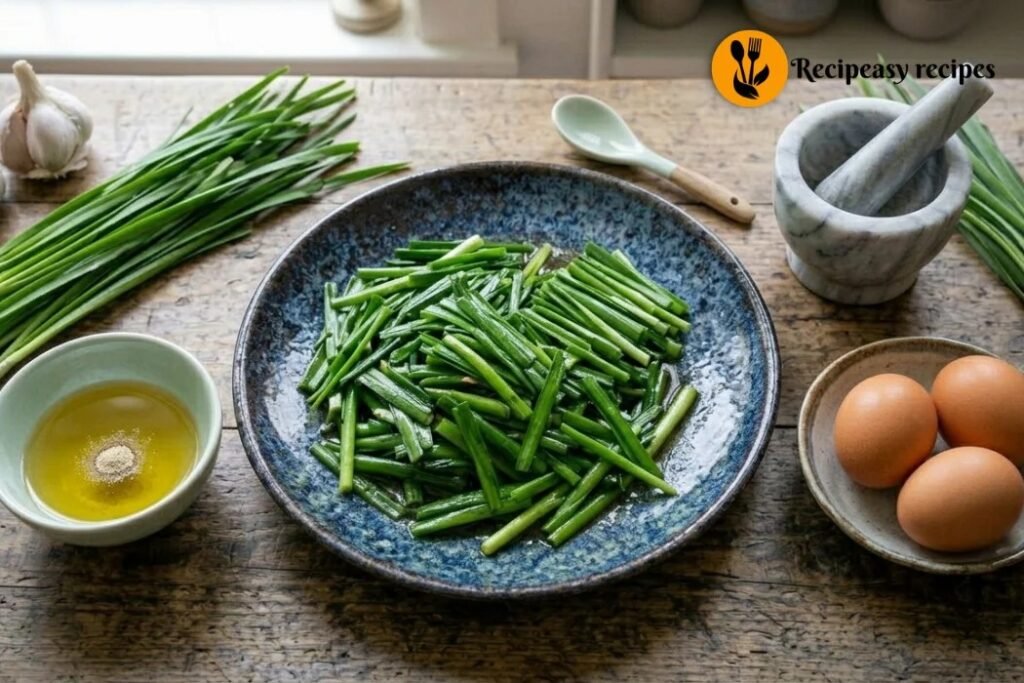
What you need:
- 1 large bunch of Chinese chives (about 200g), cut into 1-inch pieces
- 3 eggs
- 2 tablespoons vegetable oil
- Salt to taste
- A pinch of white pepper
How to make it
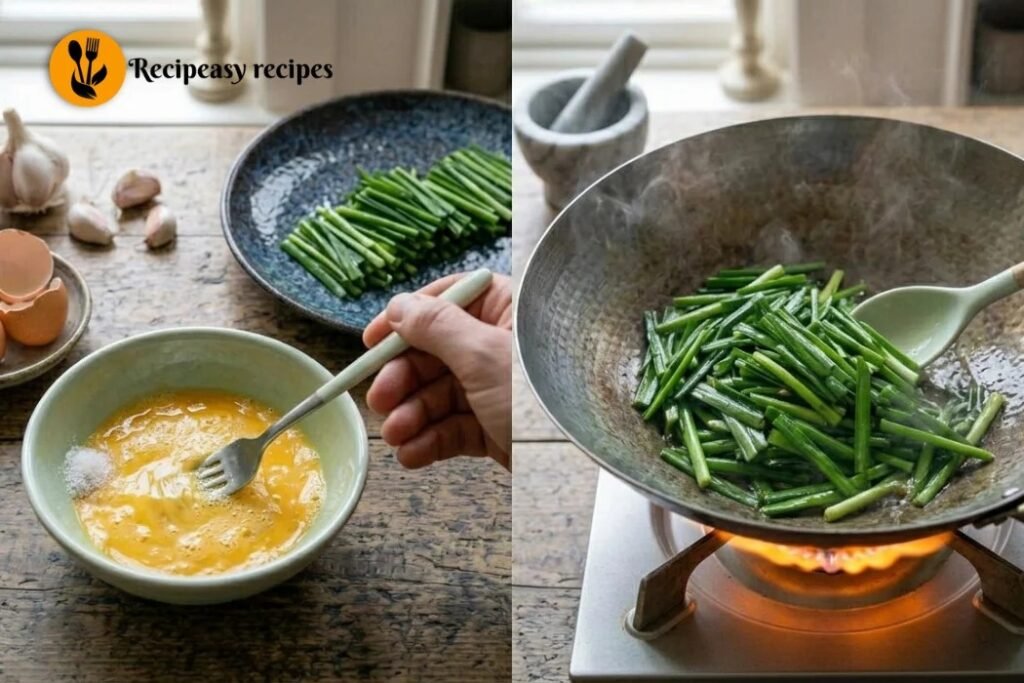
First, beat the eggs with a pinch of salt. Set them aside.
Next, heat oil in a wok or pan over high heat. Add the chives and stir fry for about 60 seconds. They will soften quickly.
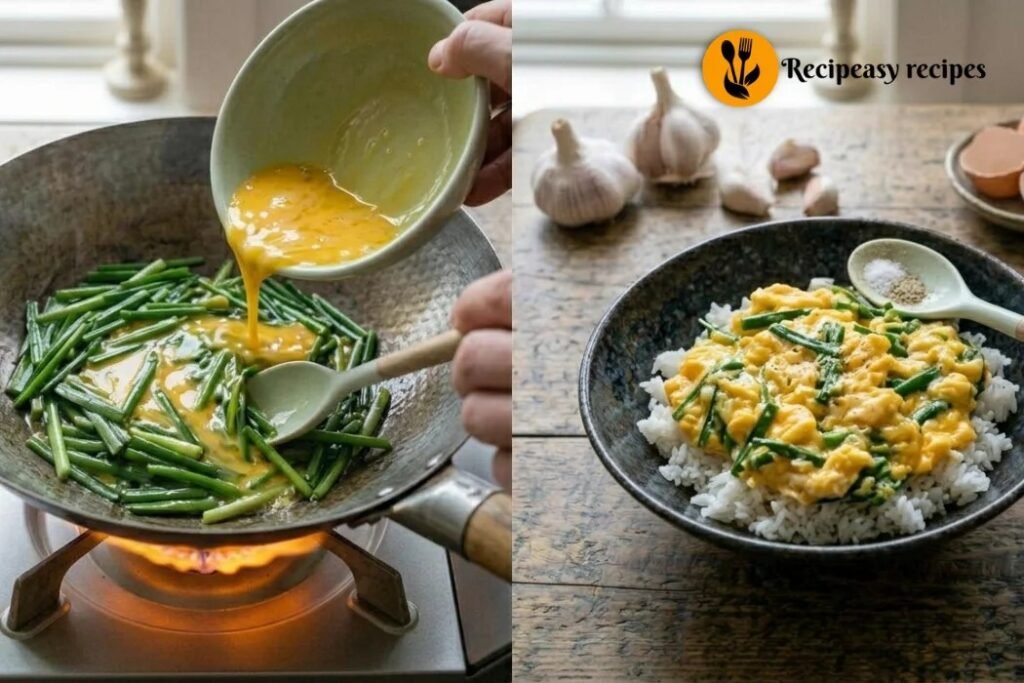
Then, pour in the eggs. Let them sit for a few seconds before scrambling everything together. Cook for another 30–40 seconds. The eggs should be just set, not overdone.
Season with white pepper and a little more salt if needed. Serve right away over rice.
That is it. Simple, fast, and genuinely good.
Want More Protein? Add Tofu
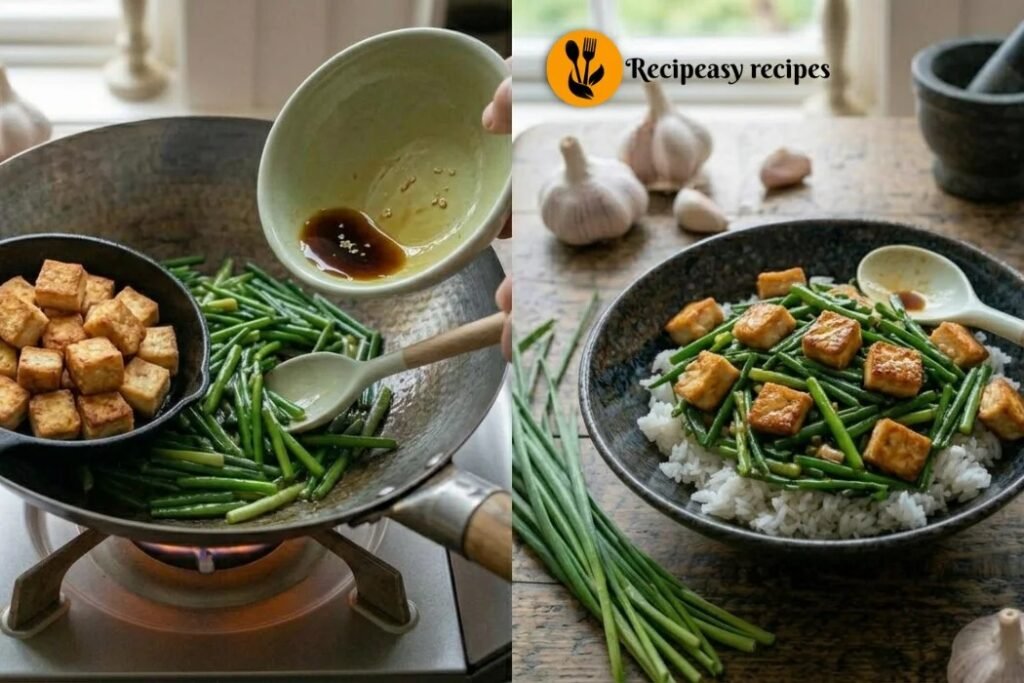
Stir fried Chinese chives with tofu is another easy option that works well as a vegetarian main.
Use firm tofu. Cut it into small cubes and pan-fry them first until golden on the outside. Then remove the tofu from the pan and stir fry the chives for a minute in fresh oil. Add the tofu back in, season with soy sauce and sesame oil, and toss everything together.
The tofu soaks up the garlic chive flavor really well. It is a filling dish that comes together in under 15 minutes.
Making Dumplings? Chives Are a Must
The most classic use of Chinese chives is in dumplings. Pork and garlic chives dumplings is probably the most popular combination in northern Chinese cooking.
For the filling, mix together:
- 300g ground pork
- 1 cup Chinese chives, finely chopped
- 1 tablespoon soy sauce
- 1 teaspoon sesame oil
- 1 teaspoon fresh ginger, grated
- Salt to taste
Mix well and use as your dumpling filling with Chinese chives. The chives keep the filling from tasting too heavy. They add freshness and that punchy garlic flavor that makes dumplings so addictive.
Chive Pancakes – A Weekend Favorite
If you have a little more time, try a Chinese chive pancake recipe. It is basically a simple dough filled with seasoned chives, pan-fried until crispy on both sides.
The outside gets golden and a little crunchy. The inside stays soft with that strong chive flavor running through every bite. Dip it in soy sauce with a splash of vinegar and it is hard to stop at one.
A Few Things Worth Knowing
Do not overcook them. Chinese chives go from perfect to mushy very fast. High heat and a short cooking time is the right approach every time.
Wash them well. The flat leaves can trap dirt. Rinse them in cold water and dry them before cutting.
Use them fresh. Chinese chives lose their flavor quickly after being cut. Cook them the same day you buy them if possible.
They work in noodles too. Toss some Asian garlic chives noodle stir fry together with thin wheat noodles, a little soy sauce, and chili oil. Quick, bold, and satisfying.
Wrapping Up
Once you start cooking with Chinese chives, you will keep coming back to them. They are affordable, fast to cook, and they make everything taste more alive.
Whether you are making eggs in the morning, dumplings on a weekend, or a quick Chinese chives recipe stir fry on a busy weeknight – this ingredient is one of the most useful things you can keep in your fridge.
Pick up a bunch next time you are near an Asian grocery store. You will not regret it.
Easy Chinese Chives Recipe for Quick Weeknight Meals
Course: Side Dish / Main CourseCuisine: ChineseDifficulty: Easy4
servings15
minutes20
minutes300
kcalThis chinese chives recipe guide includes four easy ways to cook garlic chives, from stir fries and dumplings to savory pancakes and tofu dishes with authentic Chinese flavor.
Ingredients
1 large bundle Chinese chives, cut into 5cm pieces
1 tablespoon neutral oil
Splash of light soy sauce
Few drops sesame oil
Pinch of salt
Pinch of white pepper
Directions
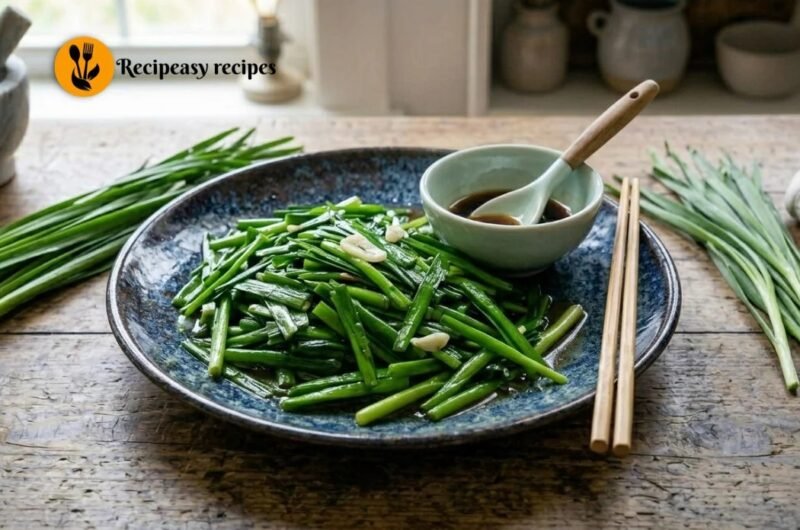
- Heat a wok or large pan over high heat.
- Add oil and immediately toss in the chives.
- Stir fry for 1–2 minutes until just wilted but still vibrant.
- Add soy sauce, sesame oil, salt, and white pepper.
- Toss briefly and serve immediately.
Notes
- Chinese chives cook very quickly and work best over high heat.
- Too much moisture can ruin dumpling fillings, so lightly salt and drain chopped chives first.
- Yellow chives are milder and more delicate than green garlic chives.
- Store wrapped in a damp paper towel and use within 3–4 days for best freshness.
- Chinese chives have a stronger garlic flavor than regular chives.