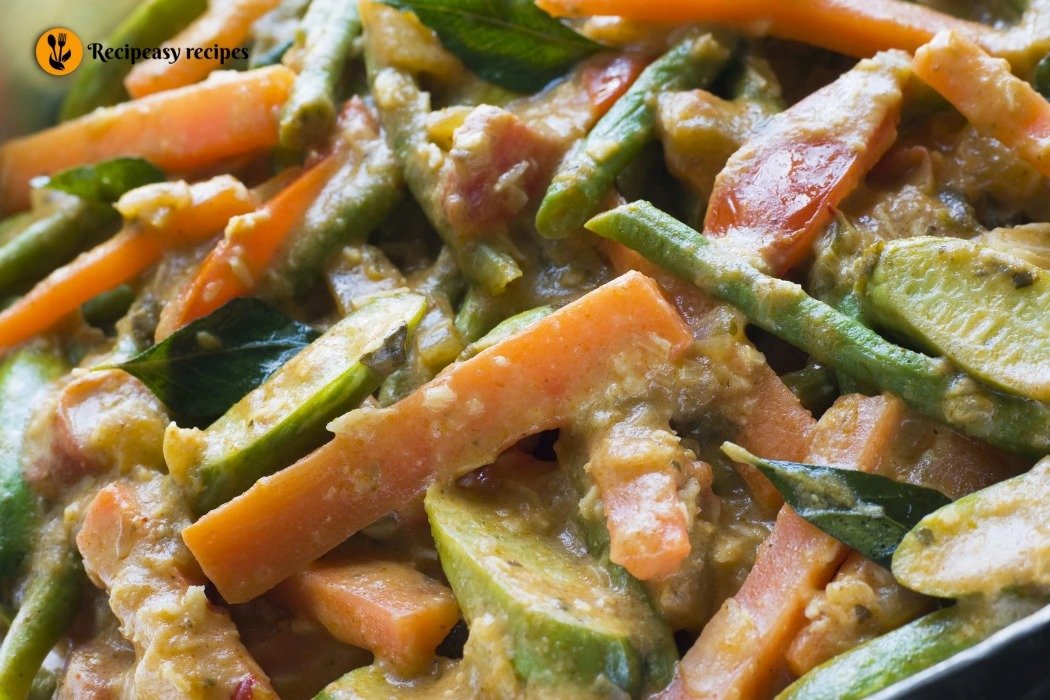
Avial Dish Recipe – Traditional Kerala Mixed Veg Curry
The avial dish recipe is one of those timeless Kerala delicacies that instantly connects you to the heart of South Indian cuisine.I still remember the first time I prepared this dish at home the kitchen filled with the aroma of coconut, curry leaves, and mixed vegetables simmering together in a creamy yogurt base. It’s a dish that beautifully combines simplicity and flavor, and once you try it, it’s hard not to fall in love with it.
This recipe is special to me because it represents the perfect balance of health and taste. The best part about avial is that it uses easily available ingredients and can be prepared quickly, yet tastes like something made with a lot of love and patience. Whether you’re making it for a weekday lunch or a festive occasion, this dish never disappoints.
History & Origin of Avial Dish Recipe
Avial originated in Kerala, a state known for its coconut-based curries and vegetarian delights. According to legend, this dish was first created by the great warrior Bhima during exile when he had limited ingredients but needed to cook a meal for his companions. He chopped all the available vegetables, mixed them with coconut and curd, and seasoned them with curry leaves and that’s how avial was born. Over time, it became an integral part of the traditional Kerala Sadhya (feast) and is now enjoyed across South India.
What is Avial Recipe?
Avial is a mixed vegetable curry cooked in coconut and yogurt gravy, lightly seasoned with coconut oil and curry leaves. It’s a signature dish from Kerala that blends nutrition with authentic regional flavor. Typically, avial includes vegetables like drumsticks, beans, carrots, raw banana, yam, and ash gourd, making it both hearty and wholesome. It’s mildly spiced and carries a rich aroma of fresh coconut perfect for anyone who loves traditional Kerala food.
Why Try Avial Dish Recipe?
You’ll love this dish because it’s a nutritious, flavorful, and easy avial dish recipe that can be made with simple household ingredients. It’s naturally gluten-free and packed with vitamins from a variety of vegetables. Plus, its mild taste and creamy texture make it suitable for all age groups. Whether you’re new to South Indian cuisine or already a fan, avial offers a comforting and authentic culinary experience.
Equipment You’ll Need
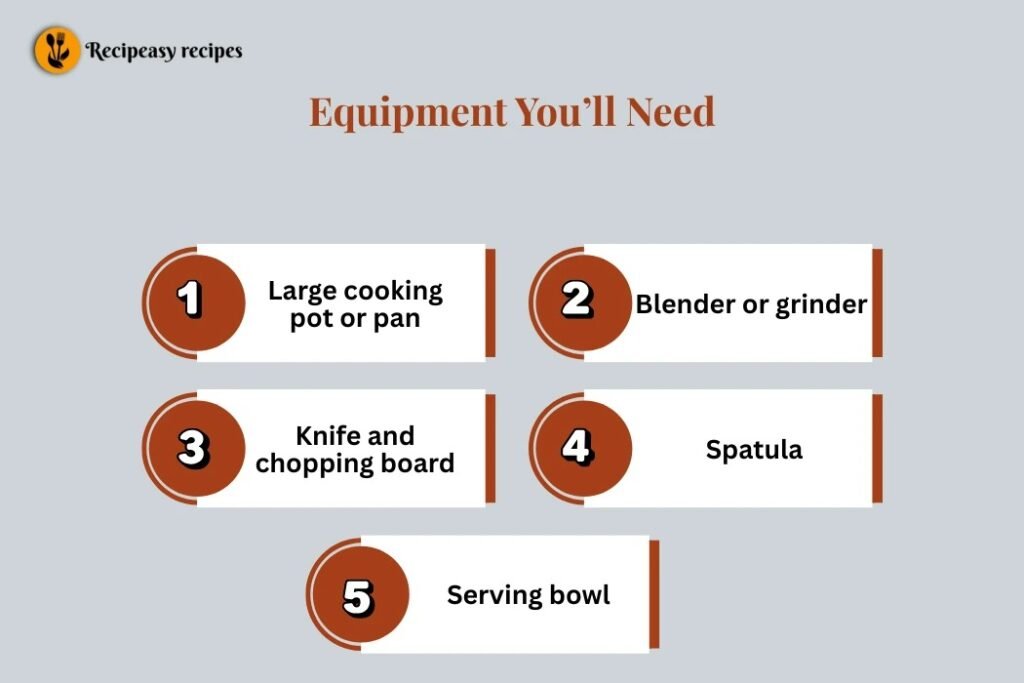
To make this traditional Kerala avial recipe, you’ll need:
Large cooking pot or pan for boiling and mixing vegetables.
Blender or grinder to make the coconut paste.
Knife and chopping board for cutting vegetables evenly.
Spatula for stirring ingredients gently.
Serving bowl to present your authentic avial curry recipe beautifully.
Ingredients of Avial Dish
Here’s what you’ll need for your authentic avial curry recipe:
1 cup drumsticks, cut into 3-inch pieces
1 cup raw banana, peeled and chopped
½ cup carrot, sliced lengthwise
½ cup beans, cut into medium pieces
1 cup ash gourd (white pumpkin), chopped
½ cup yam (elephant foot yam), diced
1 cup grated coconut
3 green chilies
1 tsp cumin seeds
1 cup curd (yogurt)
2 tbsp coconut oil
A few curry leaves
Salt to taste
Water as required
How to Make Avial Dish Recipe (Step-by-Step — Complete Guide)
This detailed section explains how to make avial dish recipe perfectly, covering preparation, cooking technique, texture control, and common pitfalls.
Choose and prepare vegetables (important for texture and taste)
Select a mix of starchy and fibrous vegetables for balance: raw banana, yam, carrot, drumstick, beans, ash gourd. Starchy pieces (raw banana, yam) give body; fibrous ones (drumstick, beans) hold shape.
Peel and cut vegetables into uniform sizes so they cook evenly. Prefer long strips or 1–1.5 inch chunks rather than tiny dice. For drumsticks, remove seeds if very hard; for yam, wash to remove stickiness. Rinse all cut vegetables once and drain.
Parboil vegetables gently (don’t overcook)
In a large pot, add vegetables with just enough water to half-cover them (about ¾ cup water per 3–4 cups chopped vegetables). Sprinkle salt lightly.
Bring to a simmer, cover, and cook on medium flame. Check after 8–10 minutes vegetables should be tender but not falling apart. Drain and reserve cooking liquid; this starchy water helps adjust gravy consistency later.
Tip: Cook vegetables in order of density add harder ones (yam, raw banana) first, then medium (carrot, ash gourd), and soft ones (beans) last so all finish together.
Prepare the coconut-cumin paste (heart of the dish)
In a blender, combine grated fresh coconut, green chilies, and cumin seeds. Add ¼–⅓ cup of the reserved warm cooking liquid (or plain warm water) and grind to a coarse, slightly grainy paste not completely smooth. The little coconut grains give authentic texture.
If you like a smoother base, grind longer but avoid turning it into a fine puree. Traditional avial benefits from a rustic paste.
Combine paste with vegetables and simmer briefly
Return the parboiled vegetables to the pot on low flame. Add the coconut-cumin paste and mix gently so vegetables are coated. If the mixture looks too thick, add a little reserved cooking liquid to loosen it.
Simmer for 3–5 minutes on low heat to allow flavors to marry. Avoid vigorous boiling too much agitation can make delicate vegetables mushy and break the yogurt later.
Add yogurt off the heat (prevents curdling)
Turn off the flame and let the pot cool for 1–2 minutes. Whisk the yogurt in a small bowl until smooth and add a ladle of warm vegetable mix to temper it (this raises yogurt’s temperature gently).
Pour the tempered yogurt into the pot and fold gently. The mixture should be creamy and slightly thick. Do not return to high heat after adding yogurt gentle warmth keeps yogurt from curdling and preserves its tang.
Finish with coconut oil and curry leaves (signature aroma)
Heat 1 tsp coconut oil in a small pan and lightly fry a few curry leaves just until crisp (optional). Drizzle the remaining coconut oil over the avial and add the fried curry leaves on top.The last-minute oil and leaves give that unmistakable Kerala fragrance.Toss gently to distribute oil and aroma evenly.
Check seasoning and consistency
Taste and adjust salt. If the avial seems dry, add 1–2 tbsp of warm water from the reserved pot and fold lightly. The ideal avial has a thick, coat-yet-ribbon texture not watery, not pasty.
If it’s too tangy, balance with a pinch of sugar; if too bland, a little more salt and a tiny squeeze of lemon (sparingly).
Rest before serving (flavors settle)
Let the avial rest for 5–10 minutes this helps the coconut and yogurt flavors meld with the vegetables. Serve warm with steamed rice or your chosen accompaniment.
Extra notes on technique and variations:
Vegan option: Replace yogurt with plain coconut yogurt or a light coconut milk tempered with a touch of tamarind. Add coconut yogurt only after removing from heat.
Texture control: If you prefer firmer vegetables, reduce boiling time and finish cooking only with the coconut paste. For softer, stew-like avial, boil a little longer.
Flavor tweaks: Some households add a pinch of turmeric for color; others omit spices entirely to let the coconut-vegetable flavor shine. Avoid heavy spice avial is about subtlety.
Scaling up: For a large sadhya portion, grind coconut paste in batches to maintain texture and use proportionally more yogurt. Keep final seasoning conservative you can always add more salt later.
Nutrition Information of Recipe
Calories: 220 kcal per serving
Protein: 5g
Fat: 10g
Carbohydrates: 25g
Fiber: 6g
Cholesterol: 0mg
How to Serve Avial Dish Recipe
Serve avial warm with steamed rice, brown rice, or as a side dish with dosa or adai. It also goes well with Kerala parotta or appam. For a traditional experience, serve it on a banana leaf along with other South Indian dishes during a festive meal.
Benefits of This Recipe
Packed with essential vitamins and fiber.
Supports digestion due to the use of curd and coconut.
Low in cholesterol and rich in antioxidants.
A great way to include multiple vegetables in one meal.
100% vegetarian and naturally gluten-free.
FAQs
1. What is avial?
Avial is a South Indian mixed vegetable curry cooked with coconut and yogurt, seasoned with curry leaves and coconut oil.
2. Can I make avial without curd?
Yes, you can replace curd with a little tamarind pulp for a tangy variation.
3. Which vegetables are best for avial?
Common vegetables include drumsticks, yam, beans, carrots, and raw banana.
4. Can I store avial for later use?
Yes, refrigerate it for up to 2 days in an airtight container. Reheat gently before serving.
5. Is avial vegan?
Traditional avial includes yogurt, but you can make it vegan by substituting curd with coconut yogurt.
Conclusion
In conclusion, the avial dish recipe is a perfect blend of simplicity, flavor, and tradition. It’s a dish that brings together a variety of vegetables, aromatic coconut, and creamy yogurt to create something truly special. Whether you’re looking for a quick weekday meal or a festive side dish, avial fits the occasion beautifully. Try this recipe once, and it might just become a regular part of your kitchen rotation a true taste of Kerala on your plate.
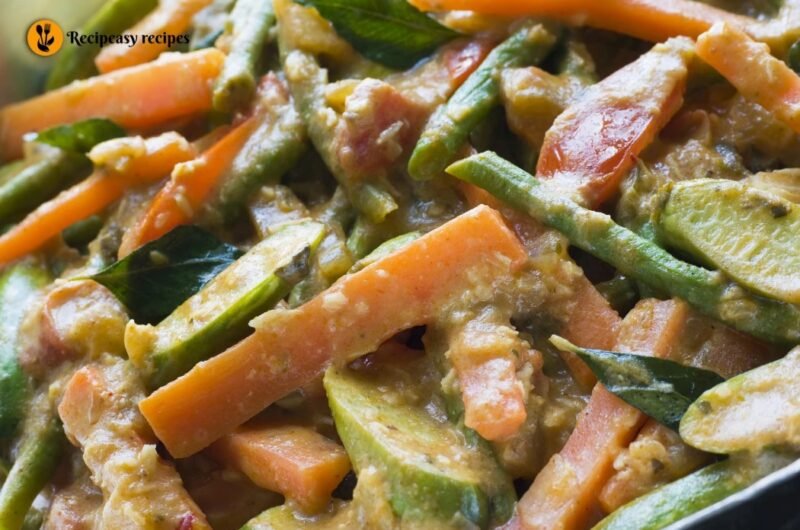
Avial Dish Recipe – Traditional Kerala Mixed Veg Curry
Course: Lunch, DinnerCuisine: IndianDifficulty: Easy4
servings15
minutes20
minutes220 kcal per serving
kcalTraditional Kerala-style mixed vegetable curry cooked with coconut and yogurt.
Ingredients
1 cup drumsticks, cut into 3-inch pieces
1 cup raw banana, peeled and chopped
½ cup carrot, sliced lengthwise
½ cup beans, cut into medium pieces
1 cup ash gourd (white pumpkin), chopped
½ cup yam (elephant foot yam), diced
1 cup grated coconut
3 green chilies
1 tsp cumin seeds
1 cup curd (yogurt)
2 tbsp coconut oil
A few curry leaves
Salt to taste
Water as required
Directions
- Choose and prepare vegetables (important for texture and taste)
Select a mix of starchy and fibrous vegetables for balance: raw banana, yam, carrot, drumstick, beans, ash gourd. Starchy pieces (raw banana, yam) give body; fibrous ones (drumstick, beans) hold shape.
Peel and cut vegetables into uniform sizes so they cook evenly. Prefer long strips or 1–1.5 inch chunks rather than tiny dice. For drumsticks, remove seeds if very hard; for yam, wash to remove stickiness. Rinse all cut vegetables once and drain. - Parboil vegetables gently (don’t overcook)
In a large pot, add vegetables with just enough water to half-cover them (about ¾ cup water per 3–4 cups chopped vegetables). Sprinkle salt lightly.
Bring to a simmer, cover, and cook on medium flame. Check after 8–10 minutes vegetables should be tender but not falling apart. Drain and reserve cooking liquid; this starchy water helps adjust gravy consistency later.
Tip: Cook vegetables in order of density add harder ones (yam, raw banana) first, then medium (carrot, ash gourd), and soft ones (beans) last so all finish together. - Prepare the coconut-cumin paste (heart of the dish)
In a blender, combine grated fresh coconut, green chilies, and cumin seeds. Add ¼–⅓ cup of the reserved warm cooking liquid (or plain warm water) and grind to a coarse, slightly grainy paste not completely smooth. The little coconut grains give authentic texture.
If you like a smoother base, grind longer but avoid turning it into a fine puree. Traditional avial benefits from a rustic paste. - Combine paste with vegetables and simmer briefly
Return the parboiled vegetables to the pot on low flame. Add the coconut-cumin paste and mix gently so vegetables are coated. If the mixture looks too thick, add a little reserved cooking liquid to loosen it.
Simmer for 3–5 minutes on low heat to allow flavors to marry. Avoid vigorous boiling too much agitation can make delicate vegetables mushy and break the yogurt later. - Add yogurt off the heat (prevents curdling)
Turn off the flame and let the pot cool for 1–2 minutes. Whisk the yogurt in a small bowl until smooth and add a ladle of warm vegetable mix to temper it (this raises yogurt’s temperature gently).
Pour the tempered yogurt into the pot and fold gently. The mixture should be creamy and slightly thick. Do not return to high heat after adding yogurt gentle warmth keeps yogurt from curdling and preserves its tang. - Finish with coconut oil and curry leaves (signature aroma)
Heat 1 tsp coconut oil in a small pan and lightly fry a few curry leaves just until crisp (optional). Drizzle the remaining coconut oil over the avial and add the fried curry leaves on top.The last-minute oil and leaves give that unmistakable Kerala fragrance.Toss gently to distribute oil and aroma evenly. - Check seasoning and consistency
Taste and adjust salt. If the avial seems dry, add 1–2 tbsp of warm water from the reserved pot and fold lightly. The ideal avial has a thick, coat-yet-ribbon texture not watery, not pasty.
If it’s too tangy, balance with a pinch of sugar; if too bland, a little more salt and a tiny squeeze of lemon (sparingly). - Rest before serving (flavors settle)
Let the avial rest for 5–10 minutes this helps the coconut and yogurt flavors meld with the vegetables. Serve warm with steamed rice or your chosen accompaniment.
Notes
- Use fresh vegetables for the best flavor and texture.
- Don’t overcook the veggies; they should be soft yet firm.
- Always use freshly grated coconut instead of dried or desiccated coconut.
- Add curd after removing from heat to avoid curdling.
- A drizzle of coconut oil at the end gives the signature Kerala aroma.