Bajra Roti Recipe | Soft, Healthy & Gluten-Free Indian Bread
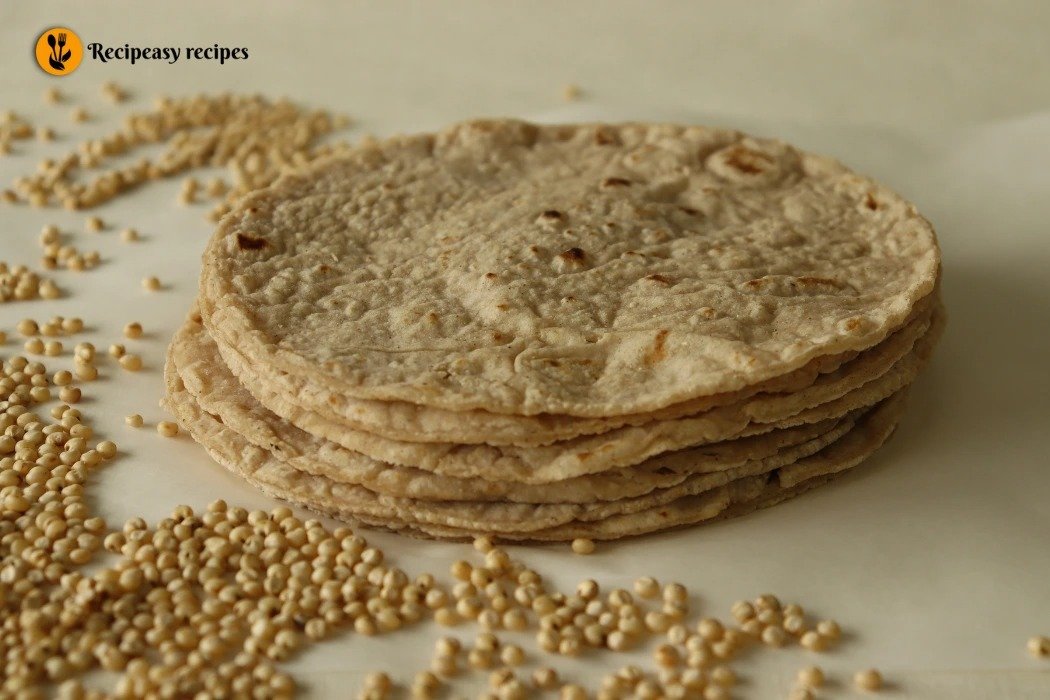
Bajra roti recipe is one of the most comforting and healthy Indian flatbreads I have ever made. The first time I tried this recipe at home, I was amazed by its earthy flavor and soft texture. It instantly reminded me of traditional village kitchens, where simple ingredients are transformed into nourishing meals with love. This roti is made using bajra (pearl millet) flour, which is known for its warmth and richness in minerals.
I still remember my first bite slightly smoky from the hot griddle, brushed with a little ghee, and paired with homemade jaggery. It had a taste that was both rustic and satisfying. This dish doesn’t just fill your stomach; it nourishes your body. That’s what makes bajra roti so special it’s simple, wholesome, and deeply rooted in Indian tradition. Whether you’re cooking for your family or exploring healthy Indian recipes, this one is worth mastering.
Background and Origin of Bajra Roti Recipe
Bajra roti has been an essential part of Indian cuisine for centuries, especially in Rajasthan, Gujarat, Haryana, and parts of Maharashtra. These regions are known for their dry climate, where bajra grows easily with minimal water. Historically, farmers relied on bajra as their main source of strength and energy during long working hours under the sun.
The origin of bajra roti goes back to the time when people believed in “food as medicine.” Bajra was valued for its warming effect on the body, making it a staple during winters. Today, it still holds cultural importance often served during harvest festivals or family gatherings. It’s a true example of how traditional Indian food connects health, history, and culture beautifully.
What is Bajra Roti Recipe?
Bajra roti is a nutritious flatbread made from pearl millet flour. It has a slightly coarse texture, a nutty flavor, and a soft, tender bite when cooked properly. Unlike wheat roti, bajra roti is completely gluten-free, which makes it a great option for people with gluten intolerance or those looking to improve digestion naturally.
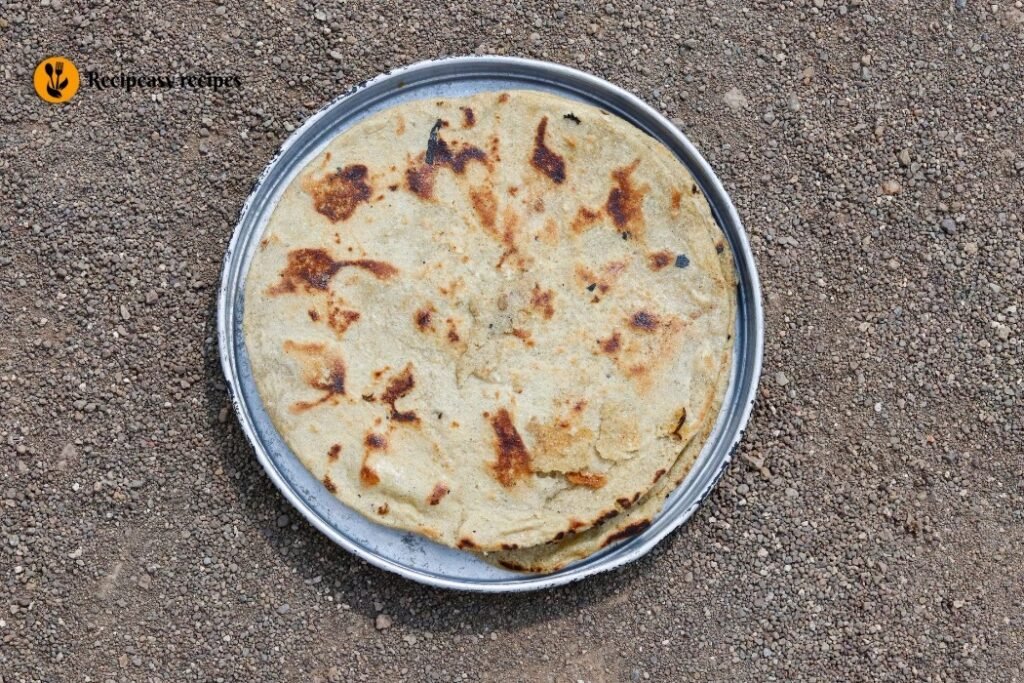
When cooked on a hot tava (griddle), it develops a mild roasted aroma that enhances its taste. The beauty of this recipe lies in its simplicity just flour, water, and a touch of ghee are enough to make something filling, warm, and healthy. In traditional Indian homes, bajra roti is often served with white butter, garlic chutney, or green vegetables.
Why Try Bajra Roti Recipe
There are countless reasons to try this easy bajra roti recipe, but here are the most important ones:
- Nutritional power: Bajra is loaded with iron, magnesium, fiber, and protein essential for maintaining energy levels.
- Great for digestion: Its high fiber content keeps your gut healthy and prevents constipation.
- Perfect for winters: Bajra generates warmth in the body, making it an ideal winter food.
- Gluten-free option: Suitable for people avoiding wheat or gluten.
- Long-lasting fullness: Keeps hunger away for longer periods, which helps in weight management.
In short, bajra roti is not only good for your health but also deeply satisfying in taste and texture something you can enjoy every day without guilt.
Equipment Needed
Making bajra roti doesn’t require any fancy tools. You just need a few basic kitchen essentials:
- Mixing bowl: Used for kneading the dough. Make sure it’s large enough to mix the flour easily.
- Rolling board or flat surface: Helps in flattening the dough evenly. You can also use your hands to pat it out if rolling is difficult.
- Tava (flat griddle): A non-stick or cast-iron griddle gives the best results for soft and evenly cooked rotis.
- Spatula or kitchen cloth: To flip the roti and press it gently while cooking.
- Clean damp cloth or plastic sheet: Useful if you want to flatten the dough without cracking.
These few tools make the process simple and efficient even if you’re a beginner, you’ll find it easy to handle once you try it once or twice.

Ingredients
Here’s the complete ingredient list for a healthy bajra roti recipe:
- 1 cup bajra (pearl millet) flour
- ½ cup warm water (adjust as needed)
- A pinch of salt (optional)
- 1 teaspoon ghee or oil (for greasing and brushing)
Optional Additions:
- ½ teaspoon cumin seeds or sesame seeds for added flavor
- 1 tablespoon finely chopped coriander for freshness
Each ingredient in this recipe contributes to both taste and nutrition. The warm water helps bind the dough properly since bajra flour lacks gluten. A small amount of ghee adds richness, while cumin or sesame seeds enhance aroma and digestion.
How to Make Bajra Roti Recipe Step-by-Step Preparation
Follow these simple steps to make perfect bajra roti at home:
- Prepare the dough: Add bajra flour and salt to a bowl. Slowly pour in warm water while mixing with your hand.
- Knead well: Since bajra doesn’t have gluten, it might feel dry at first. Keep pressing and folding until it forms a smooth, soft dough.
- Rest the dough: Cover it with a damp cloth and let it rest for 5–7 minutes. This helps the flour absorb moisture.
- Divide and shape: Take a small portion of the dough and roll it into a smooth ball.
- Flatten it: Pat it between your palms or roll it between two sheets of plastic to avoid cracks.
- Cook on tava: Heat the tava on medium flame. Place the roti on it and cook until small brown spots appear.
- Flip and press: Flip the roti using a spatula or cloth, and press gently to ensure even cooking.
- Add ghee: Brush the cooked roti with ghee to keep it soft and add flavor.
- Serve hot: Repeat for the remaining dough and serve fresh for best taste.
This simple step-by-step method ensures your roti turns out soft every single time. Once you practice it a couple of times, making bajra roti will feel as easy as regular chapati.
Nutrition Information of Recipe
Here’s the approximate nutrition per roti (depending on size and amount of ghee):
- Calories: 120 kcal
- Protein: 4–5g
- Carbohydrates: 22–24g
- Fat: 2–3g
- Fiber: 3–4g
- Iron: 8% of daily value
- Magnesium: 15% of daily value
- Calcium: 5% of daily value
These nutrients make bajra roti a complete meal that supports energy, bone health, and better digestion.
How to Serve This Recipe
Bajra roti tastes best when served hot straight from the tava. Traditionally, it’s paired with:
- White butter and jaggery a comforting combo for winter mornings.
- Green chutney or garlic chutney for a spicy kick.
- Curd or yogurt balances the earthy flavor with freshness.
- Vegetable curries like baingan bharta, aloo methi, or sarson ka saag.
You can even crumble leftover bajra rotis into small pieces and mix with ghee and jaggery to make a quick sweet snack.
Following these small tips ensures your bajra rotis stay soft and delicious every single time.
Benefits of This Recipe
Bajra roti is a high-protein, high-fiber, and gluten-free food. Here’s how it benefits your body:
- Improves digestion: Its fiber supports gut health and regular bowel movement.
- Supports heart health: Bajra helps manage cholesterol and blood pressure levels.
- Strengthens bones: Rich in calcium and phosphorus, it supports bone density.
- Boosts energy: Complex carbs in bajra release energy slowly, keeping you active longer.
- Aids in weight control: Keeps you full for longer, reducing overeating.
Including bajra roti in your daily diet is one of the easiest ways to eat healthy without giving up traditional flavors.
FAQs
1. How to make bajra roti soft?
Use warm water while kneading and brush with ghee after cooking. This simple soft bajra roti technique ensures the roti stays tender and pliable.
2. Can I eat bajra roti every day?
Yes, you can. Bajra roti is packed with nutrients and safe for daily consumption, especially when combined with vegetables and lentils.
3. What are the ingredients in bajra roti?
The basic ingredients are bajra flour, water, and a pinch of salt. Optional additions like cumin or sesame seeds enhance flavor.
4. Is bajra roti better than atta roti?
Yes, bajra roti offers more fiber, iron, and minerals than atta roti. It’s more filling and suitable for people managing weight or diabetes.
5. Is this an easy bajra roti recipe for beginners?
Absolutely! It may take a little practice at first, but with the right water ratio and technique, anyone can make soft, tasty bajra rotis easily.
Conclusion
In conclusion, bajra roti recipe is a timeless Indian dish that beautifully blends simplicity, nutrition, and flavor. It’s healthy, hearty, and an amazing way to connect with traditional cooking. Whether you’re new to millet-based foods or already love rustic recipes, this one will quickly become a favorite at your table. Try it once, and you’ll see why it remains a beloved part of Indian kitchens for generations.
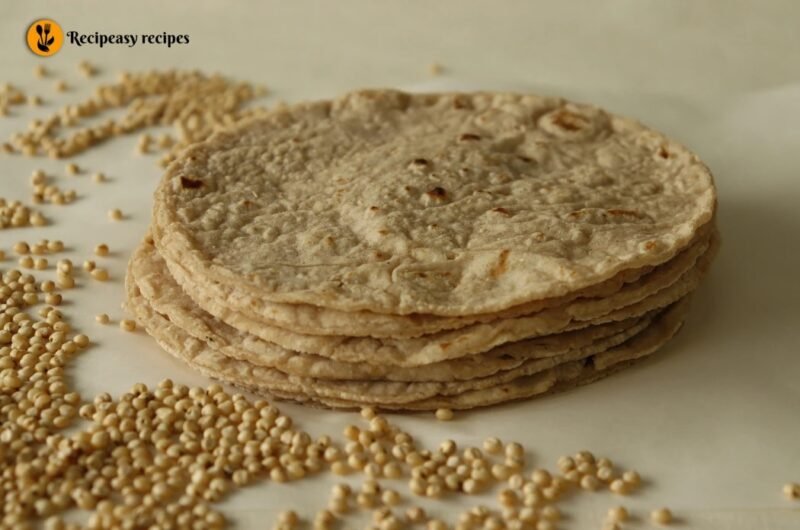
Bajra Roti Recipe | Soft, Healthy & Gluten-Free Indian Bread
Course: Lunch, DinnerCuisine: Vegetarian, Gluten-FreeDifficulty: Easy2–3
servings10
minutes10
minutes120 kcal per roti
kcalSoft, earthy, and healthy Bajra Roti made with pearl millet flour. Gluten-free, rich in minerals, and perfect for breakfast, lunch, or dinner.
Ingredients
1 cup bajra (pearl millet) flour
½ cup warm water (adjust as needed)
A pinch of salt (optional)
1 teaspoon ghee or oil (for greasing and brushing)
Optional Additions:
½ teaspoon cumin seeds or sesame seeds for added flavor
1 tablespoon finely chopped coriander for freshness
Directions
- Prepare the dough: Add bajra flour and salt to a bowl. Slowly pour in warm water while mixing with your hand.
- Knead well: Since bajra doesn’t have gluten, it might feel dry at first. Keep pressing and folding until it forms a smooth, soft dough.
- Rest the dough: Cover it with a damp cloth and let it rest for 5–7 minutes. This helps the flour absorb moisture.
- Divide and shape: Take a small portion of the dough and roll it into a smooth ball.
- Flatten it: Pat it between your palms or roll it between two sheets of plastic to avoid cracks.
- Cook on tava: Heat the tava on medium flame. Place the roti on it and cook until small brown spots appear.
- Flip and press: Flip the roti using a spatula or cloth, and press gently to ensure even cooking.
- Add ghee: Brush the cooked roti with ghee to keep it soft and add flavor.
- Serve hot: Repeat for the remaining dough and serve fresh for best taste.
Notes
- Always knead the dough with warm water it helps make the rotis soft.
- Cover the dough with a damp cloth if not using immediately to prevent dryness.
- Roll or pat gently avoid over-pressing as it can break the dough.
- Medium flame works best for cooking; high flame burns before it’s cooked inside.
- Brush with ghee right after cooking it locks in moisture and enhances flavor.