The Sweet, Garlicky Chicken Tocino You’ll Make on Repeat
If you’ve ever had Filipino tocino for breakfast, you already know why people wake up excited for it. That caramelized, slightly sweet, deeply savory meat hitting a hot pan it’s one of those smells that pulls the whole house into the kitchen. This chicken tocino recipe delivers exactly that, and honestly, it’s simpler than most people expect.
Whether you’re cooking it for your family on a lazy Sunday or planning to sell it as a home-based food business, this guide walks you through everything you need.
Why Chicken Works So Well Here
Pork is traditional, but chicken tocino has quietly become a favorite especially for those watching their fat intake or just preferring lighter meat. Chicken thighs absorb the marinade beautifully and stay juicy even after pan-frying. Chicken breast works too, though you’ll want to be a little more careful not to overcook it.
The real magic is in the cure. Sweet, garlicky, slightly tangy once that marinade hits the meat and gets a few hours to work, you end up with something that tastes like it took way more effort than it actually did.
Simple Ingredients You Probably Already Have
This uses pantry staples. Nothing fancy, nothing hard to find.
For the marinade:
- 1 kg chicken thighs (boneless, sliced thinly)
- ¾ cup white sugar
- 1½ teaspoons salt
- 1 teaspoon garlic powder (or 4 cloves fresh garlic, minced)
- ½ teaspoon black pepper
- 3 tablespoons soy sauce
- 2 tablespoons white vinegar
- 1 tablespoon annatto powder (achuete) — optional, but gives that signature pink color
- 2 tablespoons banana ketchup
That’s it. No artificial curing agents, no hard-to-pronounce preservatives. Just real, simple ingredients that come together into something genuinely delicious.
Making It Without Pineapple Juice (And Why You Don’t Need It)
A lot of tocino recipes call for pineapple juice, and it does add a nice fruity tang. But honestly? You don’t need it. The vinegar in this recipe handles the acidity perfectly, and the sugar balances everything out without making it cloyingly sweet.
Without pineapple juice, you actually get more control over the flavor. It’s slightly less fruity and more savory-forward, which many people myself included prefer. If you do want that tropical hint, just swap the white vinegar for an equal amount of pineapple juice. Both versions work.
How to Make It, Step by Step
1. Slice the chicken thin. Aim for about 1 cm thickness. Thinner slices marinate faster and cook more evenly. If you find it easier, pop the chicken in the freezer for 20 minutes first it firms up and slices much more cleanly.
2. Mix the marinade. Combine all your marinade ingredients in a large bowl and stir until the sugar fully dissolves. This step matters undissolved sugar can burn unevenly in the pan.
3. Coat the chicken. Add the sliced chicken to the marinade and mix well with your hands or tongs. Make sure every piece is fully coated.
4. Let it cure. Cover and refrigerate for at least 4 hours. Overnight is better. If you’re prepping for business, you can marinate in bulk batches and freeze in portions it holds up beautifully.
5. Cook it right. Heat a non-stick pan over medium heat. Add a small splash of water (about 3 tablespoons) along with the chicken. Let it simmer in its own juices first this keeps the meat tender. Once the liquid evaporates, let the natural sugars caramelize. You’ll see the edges start to turn golden and glossy. That’s your cue.
Flip carefully and cook the other side until equally caramelized. Shouldn’t take more than 4–5 minutes per side total.
Tips That Actually Make a Difference
Don’t rush the caramelization. Medium heat is your friend. High heat burns the sugar before the chicken cooks through, and you end up with bitter, dark patches instead of that gorgeous golden color.
Use a non-stick or cast iron pan. Stainless steel tends to stick badly with sugar-heavy marinades.
Taste the marinade before adding the chicken. It should taste noticeably sweet and savory slightly stronger than you’d want to eat on its own, because the intensity mellows as it cooks.
Fresh garlic vs. garlic powder — both work, but fresh garlic can burn faster in the pan. If using fresh, add a tiny splash of oil and lower the heat slightly.
Selling It? Here’s What to Know
This recipe scales well, which is why it’s popular for business. A kilogram of chicken yields roughly 8–10 generous servings. You can freeze it marinated (uncooked) in ziplock bags for up to a month, which makes bulk prep very manageable.
Label it clearly: ingredients, date marinated, best-before date (typically 3–4 weeks frozen). If selling fresh (refrigerated), it’s best consumed within 3 days.
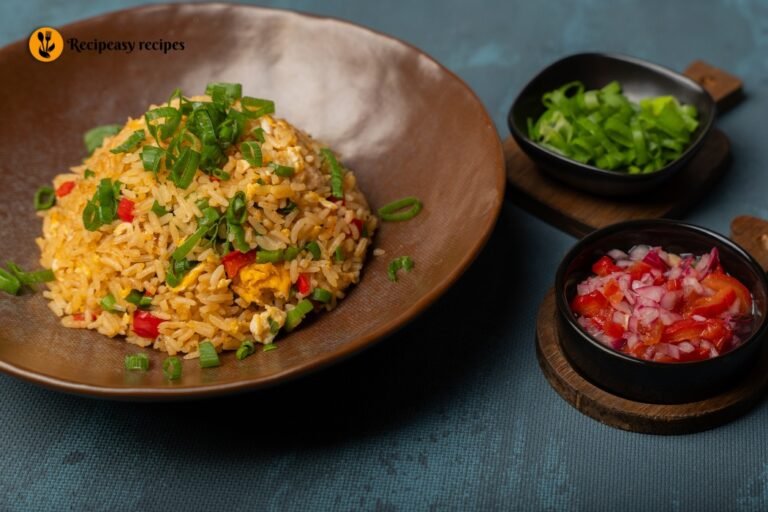
Many home sellers pair it with sinangag (garlic fried rice) and egg as a complete breakfast pack a reliable bestseller, especially on weekends.
Serving It the Classic Way
Serve it hot off the pan with a mound of garlic fried rice and a fried egg. Add a small dish of vinegar on the side for dipping that bright acidity cuts through the sweetness perfectly. Sliced tomatoes work too, and they cost almost nothing.
Leftover tocino reheats well in a covered pan with a tiny splash of water over low heat. Avoid the microwave if you can it toughens the meat and kills that caramel texture.
Conclusion
There’s a reason this dish has been on Filipino breakfast tables for generations. It’s comforting, it’s quick, and it makes even a plain weekday morning feel like something worth sitting down for. Once you’ve made this chicken tocino recipe from scratch, going back to store-bought is going to feel like settling. Give it a try this weekend you’ll see exactly what I mean.
The Sweet, Garlicky Chicken Tocino You’ll Make on Repeat
Course: MainCuisine: FillipinoDifficulty: Easy8
servings15
minutes10
minutes320
kcalThis chicken tocino recipe is sweet, garlicky, and perfectly caramelized. A simple Filipino classic made with pantry ingredients ideal for breakfast or meal prep.
Ingredients
For Chicken:
1 kg boneless chicken thighs (thinly sliced)
For Marinade:
¾ cup white sugar
1 tablespoon annatto powder (optional)
1 teaspoon garlic powder (or 4 cloves garlic, minced)
1½ teaspoons salt
½ teaspoon black pepper
3 tablespoons soy sauce
2 tablespoons white vinegar
2 tablespoons banana ketchup
Directions
- Slice the Chicken:
Cut chicken into thin slices (about 1 cm thick) for even cooking. - Prepare the Marinade:
Mix sugar, salt, garlic, pepper, soy sauce, vinegar, annatto powder, and banana ketchup until sugar dissolves. - Marinate:
Add chicken and coat well. Cover and refrigerate for at least 4 hours (overnight preferred). - Cook the Chicken:
Heat a non-stick pan over medium heat. Add marinated chicken with 2–3 tablespoons water. - Simmer First:
Let chicken cook in its juices until liquid evaporates. - Caramelize:
Allow sugars to caramelize, turning chicken golden and slightly sticky. Flip and cook evenly. - Serve Hot:
Remove from pan and serve immediately.
Notes
- Cook on medium heat to avoid burning sugar
- Use chicken thighs for juicier results
- Don’t rush caramelization—it’s key to flavor
- This chicken tocino recipe tastes even better after overnight marination