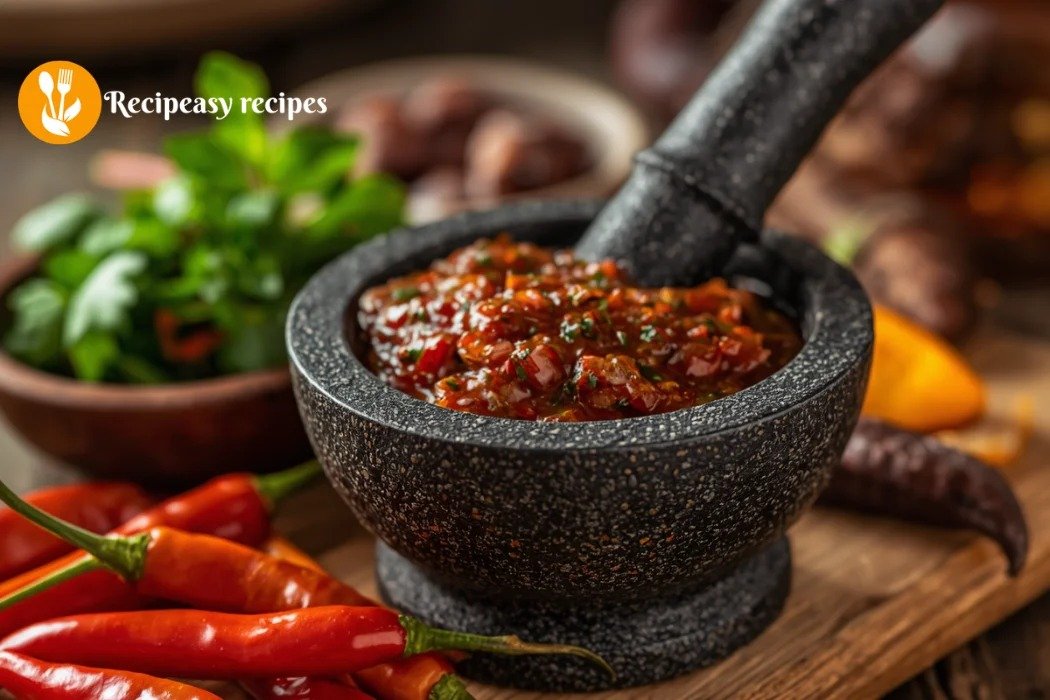
Chile de Arbol Salsa Recipe That Tastes Just Like Taqueria Salsa
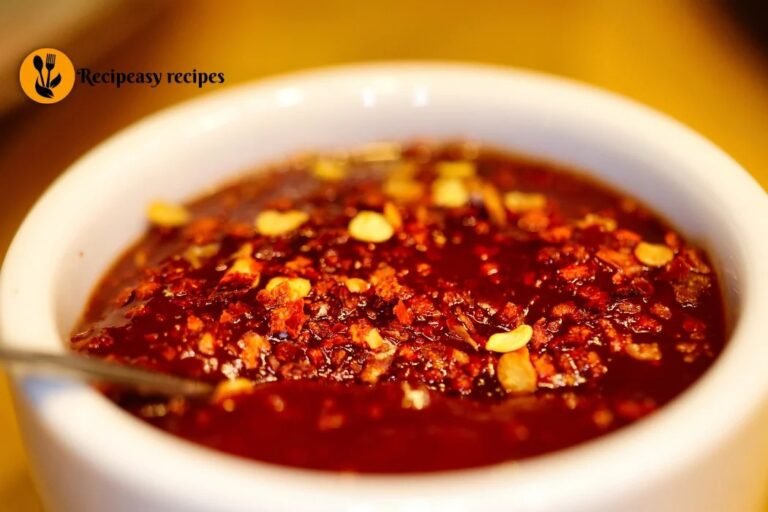
There’s a salsa I grew up eating at a tiny taqueria near my aunt’s house. Dark red, almost brick-colored, with this deep smoky heat that hit the back of your throat in the best possible way. For years I assumed it was some complicated thing that only professional cooks could pull off. Then one afternoon I just decided to try making it myself and that’s how I stumbled into my first attempt at a chile de arbol salsa recipe.
It took me three tries to get it right. The first batch was too bitter. The second was honestly too thin and tasted more like spicy water. But the third? That one made me genuinely proud.
Let me save you the learning curve.
Start With the Chiles — This Part Matters More Than You Think
The whole salsa lives or dies by how you handle the dried chiles de arbol. They’re slender, bright red when fresh, and deep burgundy once fully dried. You can find them in most Latin grocery stores or even the international aisle of larger supermarkets. They’re small but they bring serious heat, so keep that in mind.
Before anything else, remove the stems. You can leave the seeds in if you want full heat, or shake some of them out for a milder result. I usually leave about half it gives you bold flavor without turning the salsa into something you need to sign a waiver for.
Now here’s what I learned the hard way: you need to toast them, but barely. I threw mine into a dry skillet on medium heat and walked away for maybe two minutes too long. The chiles went from perfectly toasted to slightly burnt, and that bitterness carried all the way through the finished salsa. So now I stay right there, moving them around for about 45 seconds to a minute, just until they smell nutty and fragrant. That’s enough.
After toasting, drop them into a bowl and cover with hot water. Let them soak for about 15 to 20 minutes until they’re soft and pliable.
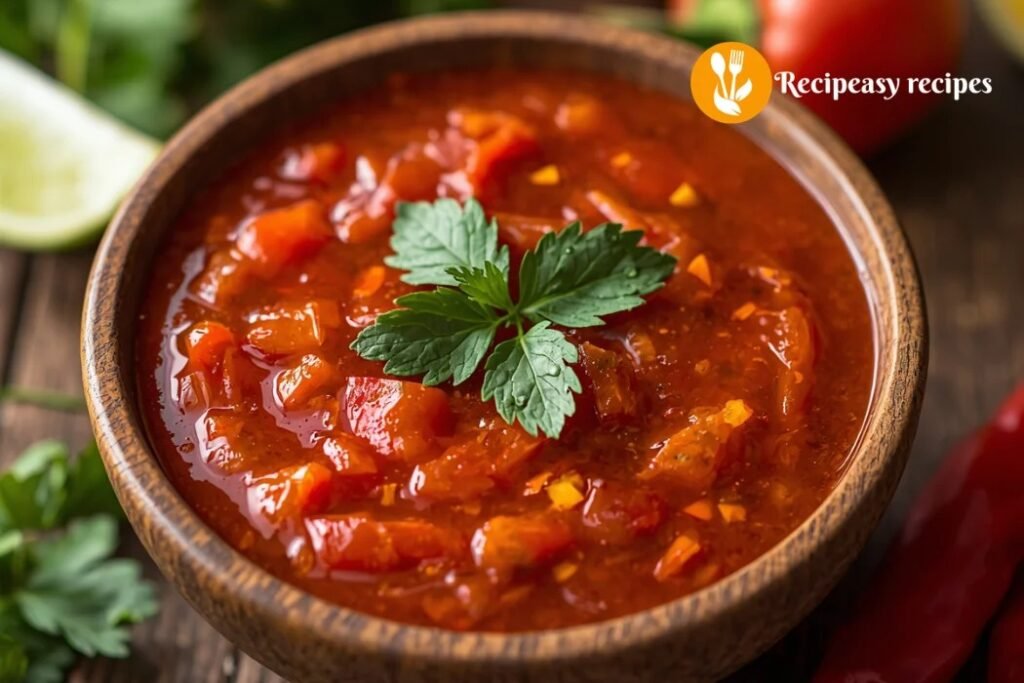
The Oil Step Nobody Talks About Enough
Once your chiles are soaked and soft, this is where the real flavor building happens and it’s honestly one of the reasons this salsa tastes so different from anything out of a jar.
In a small pan, warm about three tablespoons of neutral oil over medium heat. Add four or five peeled garlic cloves and let them cook slowly until they’re golden and slightly soft, maybe 4 to 5 minutes. Don’t rush this. The garlic should be mellow and sweet, not sharp or raw-tasting. Also add half a white onion, roughly chopped, and let that soften alongside the garlic.
Making it with oil instead of just blending everything with water gives the salsa this silkier body and a richness that water-based versions just don’t have. I didn’t understand why some recipes insisted on it until I tasted the difference side by side.
Blending It All Together
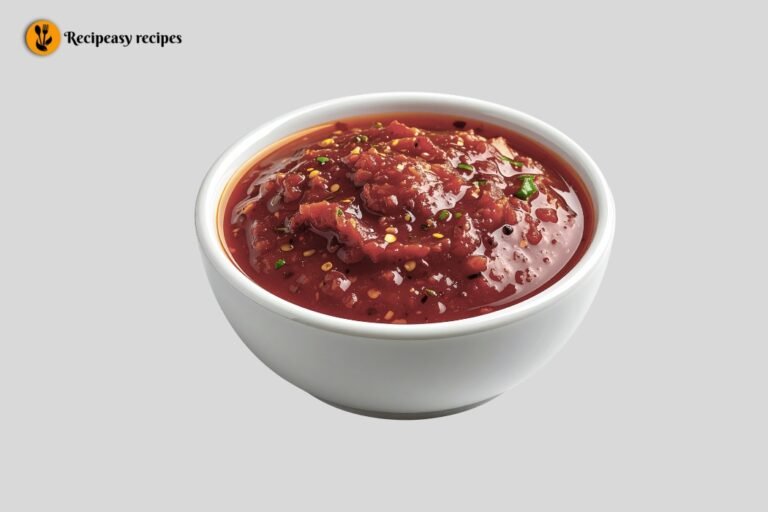
Drain your soaked chiles and add them to a blender along with the cooked garlic and onion oil included. Then add about half a cup of the soaking liquid (this deepens the flavor), a teaspoon of salt, and a small splash of apple cider vinegar or white vinegar. The vinegar is optional, but it brightens everything up in a way that feels really balanced against the smoky heat.
Blend until completely smooth. If the texture feels too thick, add a bit more soaking liquid a tablespoon at a time. You’re looking for something that pours easily but still coats a spoon.
At this point, taste it. When I made this the first time, I thought it needed more salt and it did. So don’t skip that final tasting step. Adjust from there.
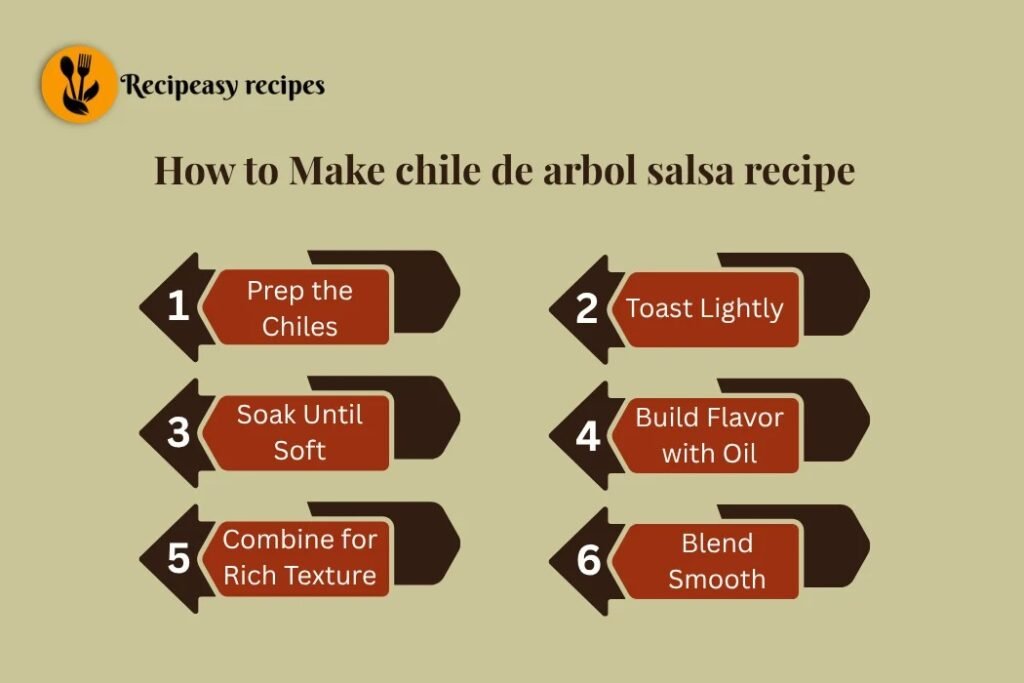
What I’d Do Differently for Beginners
If you’re trying this for the first time and you’re nervous about the heat level, start with 15 dried chiles instead of the full 20 to 25 that some recipes call for. You can always add more next time once you know what you’re working with. Also, soaking the chiles in warm water for a full 20 minutes instead of rushing it at 10 makes the texture of the final salsa noticeably smoother.
One more thing roasting a couple of Roma tomatoes alongside the garlic is something I tried recently and it completely changed the salsa. It adds a little body and a subtle sweetness that rounds out the fire from the chiles. Not traditional in every household, but honestly one of my favorite tweaks now.
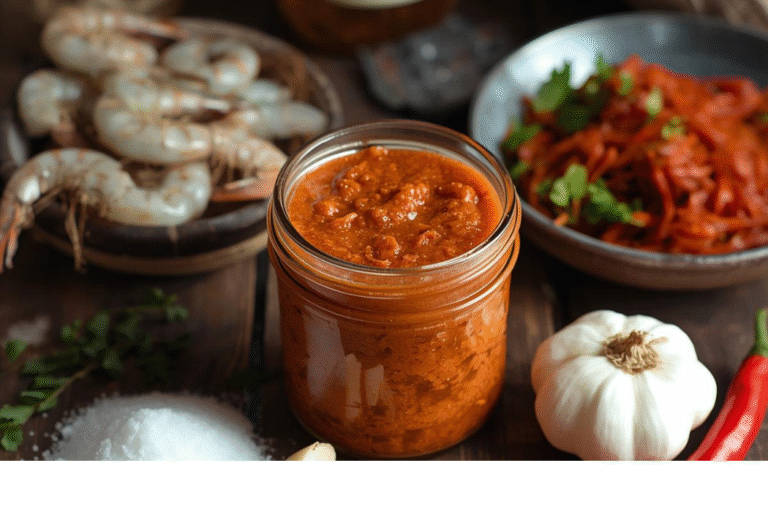
The ingredients you need are genuinely minimal: dried chiles, garlic, onion, oil, salt, vinegar, and maybe those optional tomatoes. That’s it. There’s no long shopping list, no specialty equipment beyond a blender. It’s an easy recipe in the sense that the steps are simple the skill is really just in paying attention.
Where This Salsa Actually Belongs
I put this on everything. Tacos, obviously. But also scrambled eggs in the morning, grilled chicken, roasted potatoes, and stirred into sour cream as a quick dip. My personal favorite is spooning it over a fried egg with a warm tortilla at 7am. It’s a very good morning.
It keeps in the fridge in a sealed jar for up to two weeks, though in my kitchen it never lasts more than four or five days.
Summary
How to make something this flavorful from such a short list of ingredients still feels a little like magic to me, honestly. If you’ve been putting off trying this because it seemed intimidating, don’t. The version you make at home from this chile de arbol salsa recipe will almost certainly be better than anything you can buy and once you taste it, that taqueria salsa from your own memory will finally make a lot more sense.
FAQs
1. How spicy is this chile de arbol salsa recipe?
This chile de arbol salsa recipe is naturally very spicy. You can reduce the heat by using fewer chiles or removing some seeds.
2. Why does my chile de arbol salsa taste bitter?
Bitterness usually comes from over-toasting the chiles. Light toasting for under a minute is key.
3. Can I make this chile de arbol salsa recipe without oil?
Yes, but using oil gives a richer texture and deeper flavor compared to water-based versions.
4. How long does chile de arbol salsa last?
This chile de arbol salsa recipe stays fresh in the fridge for up to 2 weeks when stored properly.
5. Can I add tomatoes to this chile de arbol salsa recipe?
Yes, roasted Roma tomatoes can be added for a slightly sweeter and more balanced flavor.
Chile de Arbol Salsa Recipe That Tastes Just Like Taqueria Salsa
Course: Sauce / CondimentCuisine: MexicanDifficulty: Easy1
servings10
minutes10
minutes60
kcalThis chile de arbol salsa recipe creates a rich, smoky, and spicy salsa using toasted dried chiles, garlic, and oil for a smooth, restaurant-style finish.
Ingredients
20–25 dried chiles de arbol (adjust for heat)
3 tbsp neutral oil
4–5 garlic cloves (peeled)
½ white onion (roughly chopped)
½ cup chile soaking water
1 tsp salt (adjust to taste)
1 tsp apple cider vinegar or white vinegar (optional)
Optional: 1–2 roasted Roma tomatoes
Directions
- Remove stems from dried chiles de arbol.
- Lightly toast chiles in a dry pan for 45–60 seconds until fragrant.
- Soak toasted chiles in hot water for 15–20 minutes until soft.
- Heat oil in a pan and cook garlic and onion until soft and lightly golden.
- Drain chiles and add to blender with garlic, onion, and oil.
- Add soaking liquid, salt, and vinegar.
- Blend until smooth.
- Adjust thickness with more soaking liquid if needed.
- Taste and adjust salt before serving.
Notes
- Do not over-toast chiles or they turn bitter
- Oil adds richness and better mouthfeel
- Soaking longer improves smooth texture
- Control heat by adjusting number of chiles or seeds