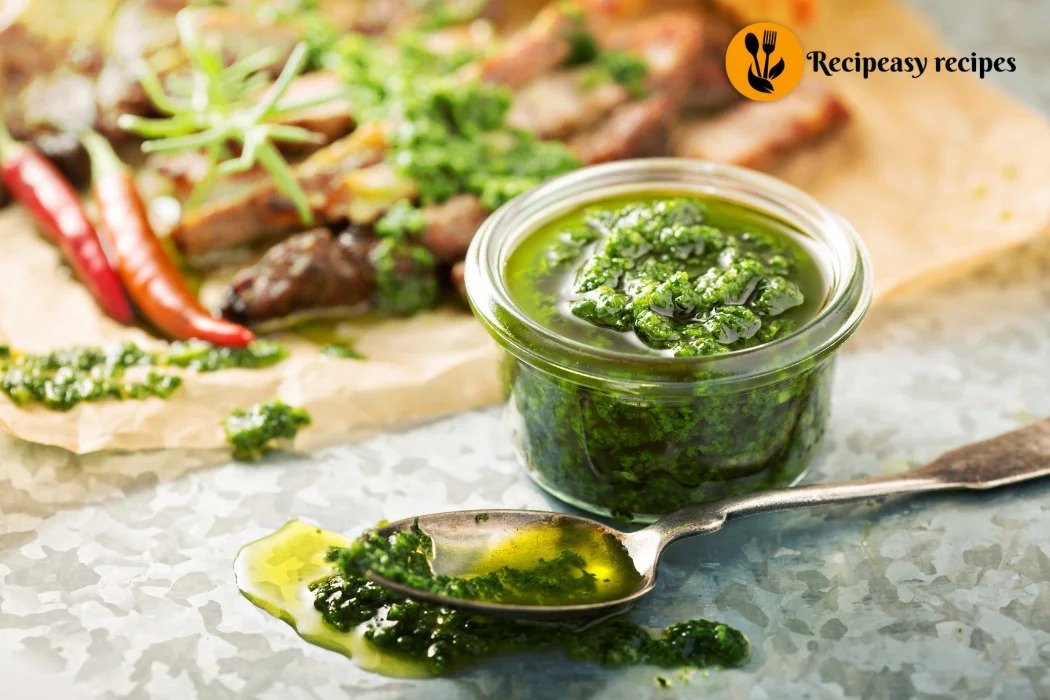
Authentic Chimichurri Argentino Recipe for Grilled Meat
Welcome to your new favorite sauce guide. Today, you are going to learn how to make a classic, fresh condiment that elevates any meal. Actually, making your own sauces at home is much easier than you think. You do not need any fancy kitchen tools or rare ingredients. Instead, you just need a sharp knife and a few minutes of your time. This simple recipe comes straight from South America and tastes amazing. If you love big, bright flavors, you are in the right place. Therefore, let’s dive right into this chimichurri argentino recipe.
In fact, this guide will show you the exact steps to create an authentic chimichurri recipe that your family will love. To start, you should know that this sauce is packed with fresh herbs and garlic. Plus, it takes less than ten minutes to prepare. Soon, your kitchen will smell incredible.
What is This Famous Sauce?
Traditionally, this vibrant green condiment is the king of barbecues in South America. It is a classic Argentinian chimichurri sauce that people serve alongside all kinds of grilled meats. Basically, it is an oil-based sauce loaded with fresh parsley, garlic, vinegar, and spices. It is tangy, savory, and slightly spicy all at the same time.
Originally, cowboys in Argentina called gauchos made this sauce to flavor their food over open fires. Because of this, the recipe is kept very simple and rustic. You do not cook this sauce at all. Instead, you eat it raw and fresh. For example, a single spoonful can completely transform a simple piece of meat into a restaurant-quality dish. Clearly, it is a must-have recipe for any backyard barbecue lover.
The Importance of a Loose Texture
Most importantly, we need to talk about how to make this sauce correctly. Many people make the mistake of using a food processor. However, that is a huge mistake. If you blend the ingredients, you will end up with a smooth paste or a green puree. Typically, real chimichurri is never a smooth puree. Instead, it should be a loose, oil-based sauce with tiny, distinct pieces of herbs and garlic.
Therefore, you should always use a sharp knife to chop your ingredients by hand. This classic technique gives the sauce its signature rustic texture. In addition, hand-chopping keeps the oil from turning cloudy. Plus, it allows you to taste every single ingredient in every bite. Honestly, your homemade chimichurri will taste ten times better if you take the time to chop it yourself.
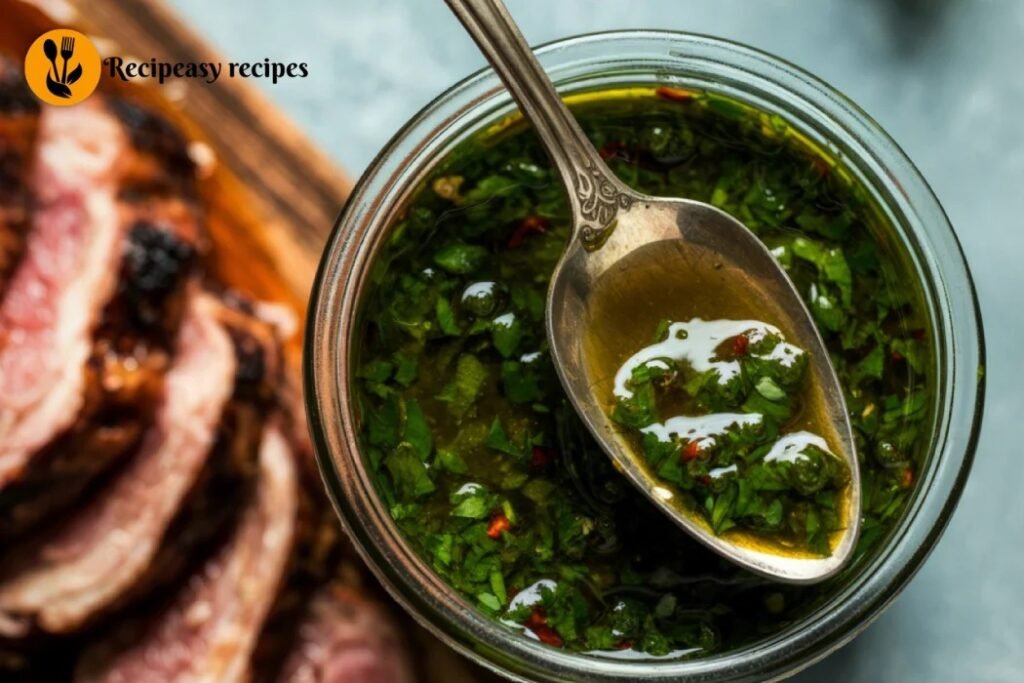
Ingredients for the Ultimate Green Sauce
To make this incredible green herb sauce recipe, you only need a few basic ingredients. You can find all of them at your local grocery store. Let’s look closely at what goes into the bowl.
First, you need fresh flat-leaf parsley. Usually, this is also called Italian parsley. Please do not use curly parsley because it has a different texture and less flavor. You want bright green leaves that look healthy and fresh.
Second, you need fresh garlic. Specifically, look for firm bulbs with plump cloves. Do not use pre-minced garlic from a jar or garlic powder here. Fresh garlic gives the sauce its pungent, delicious kick. Essentially, this recipe is a beautiful parsley garlic sauce that relies heavily on these two ingredients.
Third, you need red wine vinegar. This ingredient adds the necessary tanginess to cut through the rich oil. For best results, avoid using white vinegar or balsamic vinegar because they change the flavor too much.
Fourth, you need high-quality extra virgin olive oil. Since the oil is the base of the sauce, you want one that tastes great on its own. Look for a cold-pressed oil with a smooth, fruity flavor.
Finally, you need the spices and heat. Traditionally, this includes dried oregano, coarse salt, and black pepper. To add a nice kick, you can use a fresh red chili or dried red pepper flakes. Generally, a small amount of heat balances the fresh herbs perfectly.
Step-by-Step Instructions
Now, let’s talk about how to put everything together. Preparing this sauce is incredibly simple and takes very little effort. Just follow these easy steps for perfect results every time.
First, wash your fresh flat-leaf parsley thoroughly. After that, pat it completely dry with a paper towel. It is important to remove excess water so your sauce does not become watery. Then, separate the leaves from the thick stems. You can leave some small, tender stems because they have plenty of flavor. Next, gather the leaves into a tight bunch on your cutting board. Use a sharp chef’s knife to chop the parsley as finely as possible. Once you finish chopping, place the parsley into a medium-sized mixing bowl.
Second, peel your fresh garlic cloves. For a mild flavor, you can use two cloves. However, if you love a strong garlic punch, use four cloves instead. Next, crush the cloves with the flat side of your knife. This makes it much easier to chop them finely. Then, mince the garlic until it forms tiny pieces. After that, add the minced garlic directly into the bowl with the parsley.
Third, prepare your red chili if you are using a fresh one. First, cut the chili in half and remove the seeds if you want less heat. Then, slice the chili into thin strips. Next, chop those strips into very small pieces. Alternatively, you can just measure out one to two teaspoons of dried red pepper flakes. Now, toss the chili or pepper flakes into your mixing bowl.
Fourth, add the dry seasonings to the mixture. Simply sprinkle in the dried oregano, coarse salt, and black pepper. At this point, your bowl will be filled with beautiful colors and amazing aromas.
Fifth, pour in the wet ingredients. Carefully measure your red wine vinegar and pour it over the herbs. Then, pour in the extra virgin olive oil. Use a spoon to stir everything together until the ingredients are completely combined. Clearly, you will see a beautiful, loose sauce forming right before your eyes.
Finally, let the sauce rest. Do not serve it immediately if you can avoid it. Instead, cover the bowl and let it sit on your kitchen counter for at least ten minutes. Ideally, letting it rest for two hours is even better. During this time, the dried oregano softens up. Furthermore, the vinegar draws out the juices from the garlic and parsley. As a result, the olive oil absorbs all those incredible flavors, making the sauce taste cohesive and delicious.
The Best Ways to Serve Chimichurri
Traditionally, this condiment is famous for being the ultimate steak sauce Argentina relies on for every barbecue. It pairs perfectly with a juicy flank steak, skirt steak, or ribeye. When you spoon the bright sauce over rich, grilled beef, the acidity cuts through the fat beautifully. Because of this, every single bite tastes incredibly balanced and fresh.
In addition, this sauce is the perfect chimichurri for grilled meat of any kind. For example, you can brush it onto chicken breasts or chicken thighs while they are cooking on the grill. The oil and vinegar will keep the chicken moist and full of flavor. Also, it works wonderfully with grilled pork chops, lamb chops, or even grilled shrimp.
Surprisingly, you do not have to limit this sauce to meat dishes. For instance, it makes a fantastic dressing for roasted vegetables. Simply drizzle a few spoonfuls over crispy roasted potatoes, grilled zucchini, or baked sweet potatoes. Plus, you can use it as a unique dipping sauce for warm, crusty bread. Some people even love to stir a spoonful into their morning scrambled eggs for a burst of morning flavor. Honestly, the options are endless.
Smart Additions and Easy Substitutions
Of course, you might not always have every single ingredient in your pantry. Fortunately, this recipe is highly adaptable. If you need to make a few changes, you can still achieve a wonderful flavor.
Instead of red wine vinegar, you can use fresh lemon juice. This swap will still provide that bright, necessary acidity to the sauce. However, please try to avoid using regular white vinegar. White vinegar can taste a bit too harsh and overpowering. Likewise, balsamic vinegar is too sweet and dark for a traditional style.
Meanwhile, let’s talk about the herbs. While fresh parsley is the undisputed star, some people like to experiment. For example, you can add a tiny bit of fresh cilantro if you enjoy its flavor. Keep in mind that cilantro is not traditional in Argentina, but it can be a tasty twist. Also, if you do not have fresh oregano, high-quality dried oregano is actually preferred by many traditional cooks. Dried oregano has a deep, earthy flavor that blends beautifully into the oil over time.
Additionally, you can control the level of spice easily. If you prefer a completely mild sauce, simply omit the red chili and pepper flakes entirely. On the other hand, if you love spicy food, you can add an extra pinch of cayenne pepper or use a hotter chili variety. Remember to always taste your sauce as you go so you can adjust it to your personal preference.
Expert Tips for the Perfect Sauce
To help you make the best possible sauce, here are a few expert tips. These simple tricks will elevate your culinary creation from good to spectacular.
First, always make sure your parsley is completely dry before chopping. If the leaves are wet, the water will mix with the oil and ruin the texture. Therefore, take your time drying the herbs with paper towels or a salad spinner.
Second, let the sauce sit before you use it. When you let the mixture rest, the flavors have time to combine and deepen. Honestly, the sauce tastes even better the next day. Because of this, it is an excellent recipe to make ahead of time for a party.
Third, adjust the salt and acid at the very end. Sometimes, your parsley might be extra bitter, or your garlic might be very strong. In those cases, you can add a tiny splash more vinegar or an extra pinch of salt to balance things out. Basically, trust your taste buds and adjust the recipe until it tastes perfect to you.
Finally, keep it at room temperature when serving. Olive oil can solidify when it gets cold in the fridge. For this reason, you should always bring the sauce to room temperature before putting it on your table. Simply leave it out on the counter for about thirty minutes, give it a good stir, and it will be perfectly liquid again.
How to Store and Keep It Fresh
Fortunately, this sauce stores beautifully, so you can enjoy it for days. If you have leftovers, do not throw them away. Instead, follow these simple storage guidelines.
To start, transfer your leftover sauce into a clean, airtight container. A small glass jar with a tight lid works best for this. Then, place the jar directly into your refrigerator. Kept this way, the sauce will stay fresh and delicious for up to one week. In fact, you might find that the garlic flavor grows stronger and more delicious after a few days.
However, you should keep an eye on the color of the herbs. Over time, the acid from the vinegar will cause the bright green parsley to turn a slightly darker olive-green color. Do not worry about this change because it is completely normal and safe. The sauce will still taste wonderful even if it looks a little less vibrant.
Additionally, you can freeze your sauce if you want it to last much longer. For instance, a great trick is to pour the sauce into an empty ice cube tray. Then, put the tray into the freezer until the cubes are completely solid. After that, transfer the frozen sauce cubes into a zip-top freezer bag. Whenever you need some fresh flavor, simply pop out a cube or two and let them thaw at room temperature. This method allows you to have delicious homemade sauce ready to go at a moment’s notice.
Frequently Asked Questions
Naturally, readers often have a few questions when making this recipe for the first time. Here are the answers to the most common questions people ask.
Can I use dried parsley instead of fresh?
Honestly, you should never use dried parsley for this sauce. Fresh flat-leaf parsley is the main ingredient and provides the entire base. Unfortunately, dried parsley completely lacks the bright flavor and texture you need. Therefore, always choose a fresh bunch at the store.
Why does my oil look solid in the fridge?
Actually, this is completely normal. High-quality extra virgin olive oil naturally hardens when it gets cold. Fortunately, it is very easy to fix. Simply remove the jar from the fridge before your meal. Meanwhile, the oil will quickly melt back into a liquid state at room temperature.
Is this sauce very spicy?
Generally, the traditional version is not very spicy. Instead, it focuses on fresh herb and garlic flavors with just a hint of warmth. For example, if you remove the seeds from the red chili, the heat will be very mild. Of course, you can omit the chili entirely if you prefer no spice at all.
Can I use white vinegar instead of red wine vinegar?
Typically, it is best to avoid white vinegar. Red wine vinegar has a specific fruity tang that defines the authentic flavor. Instead, use fresh lemon juice if you do not have red wine vinegar. Clearly, white vinegar is too sharp and will change the taste too much.
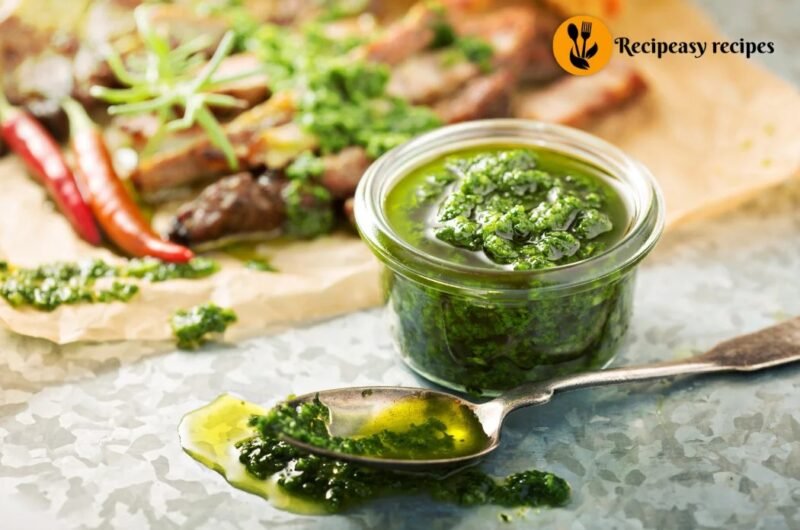
Chimichurri Argentino Recipe That Will Transform Your Grilled Meat
Course: Sauce / CondimentCuisine: ArgentinianDifficulty: Easy6
servings10
minutes30
minutes120
kcalThis chimichurri argentino recipe is bright, garlicky, herb-packed, and perfect for grilled meat, chicken, vegetables, and bread. Made with parsley, garlic, oregano, olive oil, and red wine vinegar, this authentic Argentinian sauce comes together in minutes and tastes even better after resting.
Ingredients
1 large bunch fresh flat-leaf parsley, finely chopped
4–6 garlic cloves, finely chopped
1 teaspoon dried oregano
1/2 teaspoon red chili flakes
3 tablespoons red wine vinegar
1/2 cup olive oil
3/4 teaspoon salt, or to taste
Directions
- Finely chop the parsley and garlic by hand for the best texture.
- Add parsley and garlic to a bowl. Mix in dried oregano, chili flakes, and salt.
- Pour in the red wine vinegar and let the mixture rest for 5 minutes.
- Add olive oil and stir until combined.
- Taste and adjust salt, vinegar, or oil as needed.
- Let the chimichurri rest for at least 30 minutes before serving for the best flavor.
- Spoon over grilled steak, chicken, vegetables, or crusty bread.
Notes
- Flat-leaf parsley works best for authentic texture and flavor.
- Resting time helps the garlic mellow and flavors blend properly.
- Avoid over-processing in a food processor or the sauce can become paste-like.
- Store in a sealed jar in the refrigerator for up to 1 week.