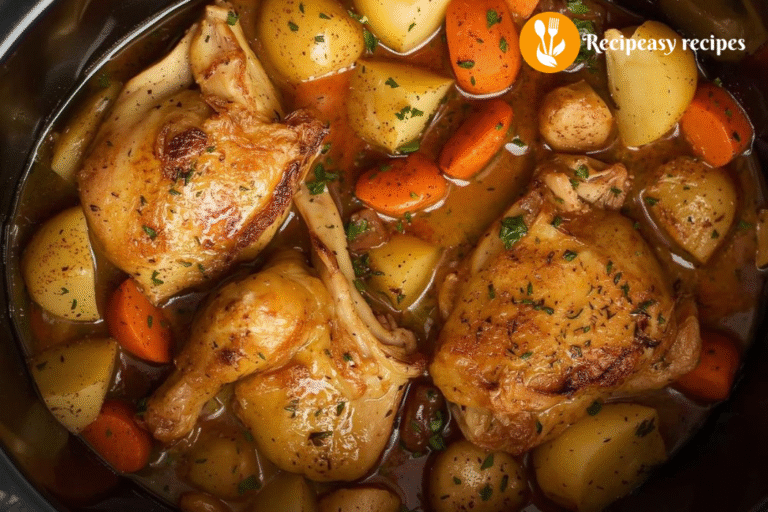
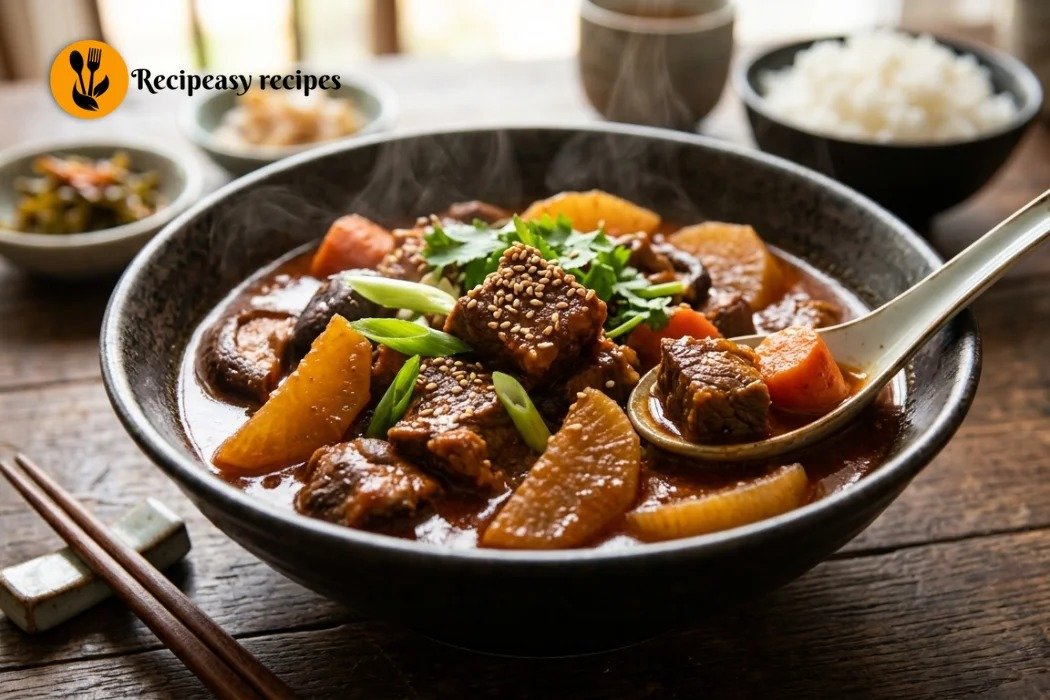
Chinese Beef Stew Recipe (Authentic Cantonese Style)
There is something really special about a bowl of chinese beef stew recipe done right. The beef is soft. The broth is deep and savory. And the whole thing just feels like a warm, comforting meal that fills you up properly.
The good news? It is not complicated at all. You just need a handful of pantry ingredients and a little patience while it simmers away.
What Makes This Stew Different
Most beef stews taste great. But the Chinese version has a very distinct flavor. You get warmth from spices like star anise and cinnamon. You get deep savory flavor from soy sauce. And you get that rich, glossy broth that coats everything in the pot.
It is the kind of dish that smells amazing while it cooks. Your whole kitchen will thank you.
The Right Cut of Beef Matters
Before anything else, let us talk about the beef. This is the most important part.
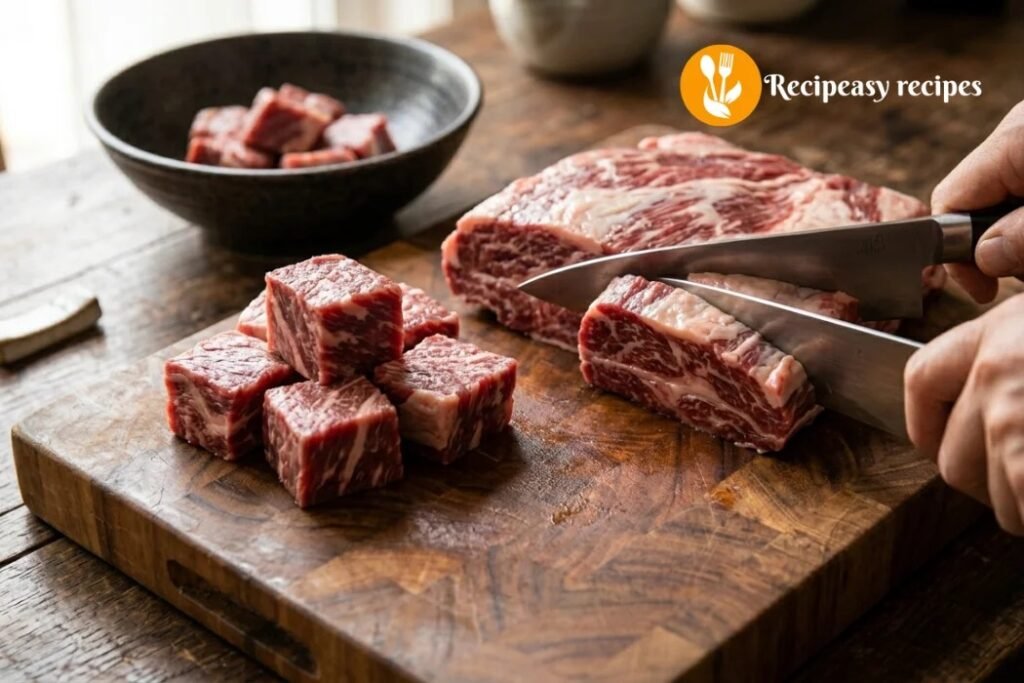
For this authentic Chinese beef stew recipe, you want a cut with fat running through it. Fat keeps the beef moist and prevents it from turning dry or tough. The best options are:
– Chuck roast- easy to find, affordable, great flavor
– Beef brisket – slightly fattier, very tender when braised slowly
– Short ribs or oxtail – pricier, but absolutely delicious if you want to treat yourself
Avoid lean cuts like sirloin or tenderloin. They will turn tough and stringy after long cooking. You need fat and collagen here – that is what melts into softness.
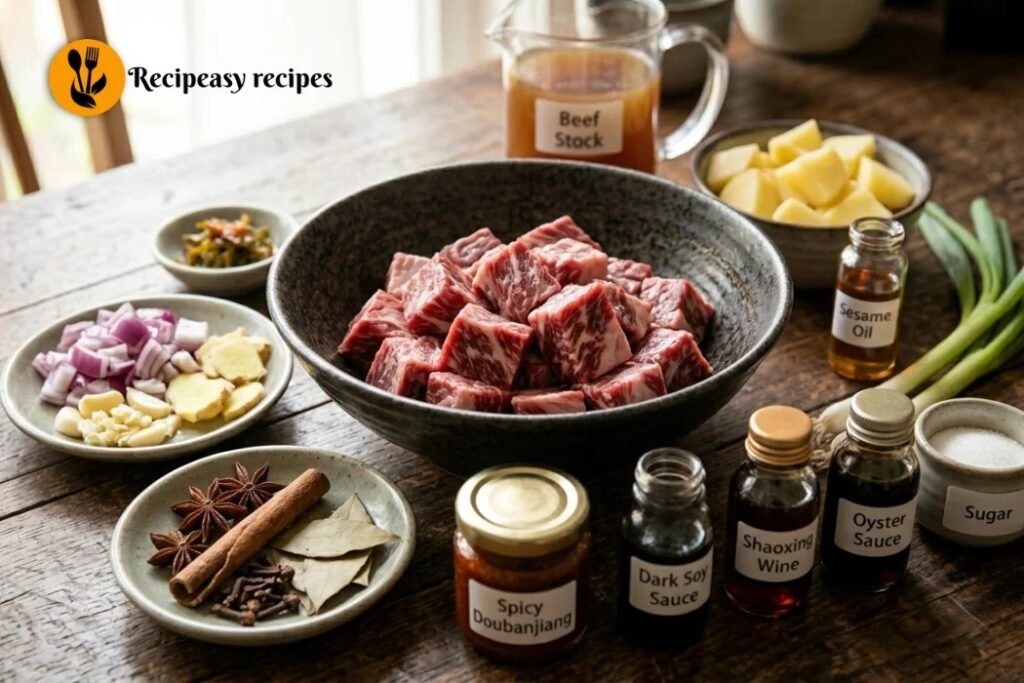
Ingredients You Will Need
For the stew:
– 800g (about 1.8 lbs) beef chuck or brisket, cut into chunks
– 3 medium potatoes, peeled and cut into large pieces
– 2 medium carrots, cut into thick rounds
– 1 onion, roughly chopped
– 4 garlic cloves, smashed
– 2 slices fresh ginger
For the broth:
– 2 tablespoons light soy sauce
– 1 tablespoon dark soy sauce
– 2 tablespoons Shaoxing wine (or dry sherry)
– 1 tablespoon oyster sauce
– 1 teaspoon sugar
– 2 star anise
– 1 small cinnamon stick
– 2 bay leaves
– Enough water or beef stock to cover the beef (about 3 to 4 cups)
– Salt to taste at the end
– 1 tablespoon oil for cooking
Everything on this list is available at any Chinese grocery store. Most of it is probably already in your kitchen.
How to Make It – Step by Step
Step 1 — Blanch the beef
Put the beef chunks into a pot of cold water. Bring it to a boil and let it cook for 3 to 4 minutes. You will see some grey foam rise to the top. That is normal. It is just impurities coming out.
Drain the beef and rinse each piece under cold running water. This step keeps your broth clean and clear. Do not skip it.
Step 2 – Brown the beef
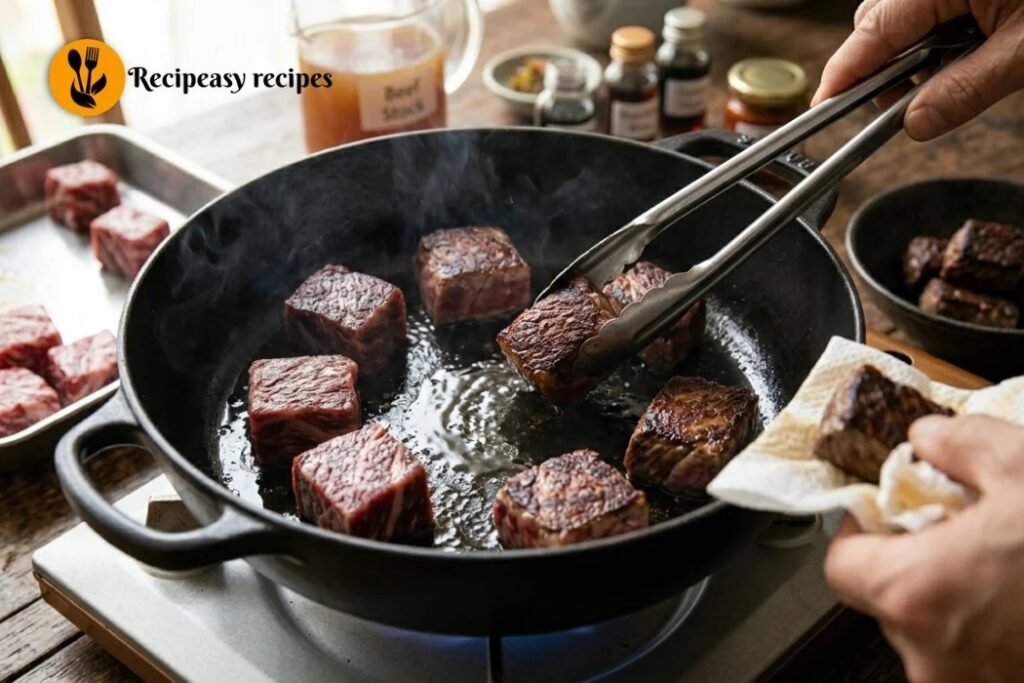
Heat oil in a large heavy pot or Dutch oven over medium-high heat. Add the blanched beef in a single layer. Brown it on all sides – about 2 minutes per side. You are not cooking it through, just getting some color on it.
Browning adds a deeper, richer flavor to the stew. It is worth the extra five minutes.
Step 3 – Build the broth
Add garlic, ginger, and onion into the pot with the beef. Stir for a minute. Then pour in the Shaoxing wine. Let it bubble for 30 seconds.
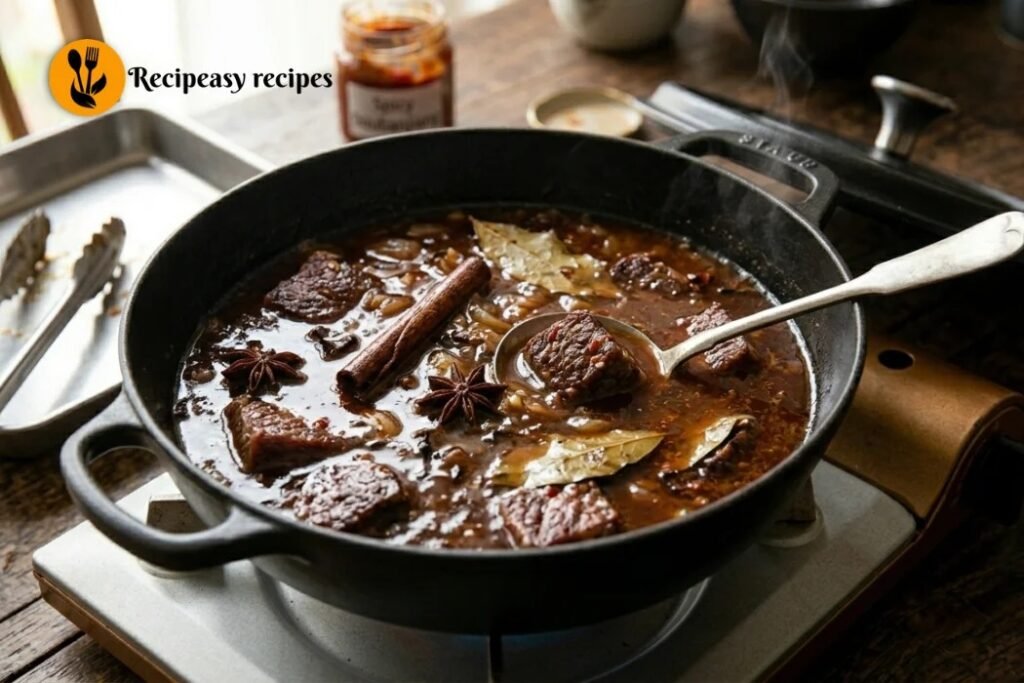
Next, add both soy sauces, oyster sauce, sugar, star anise, cinnamon, and bay leaves. Pour in enough water or beef stock to just cover the beef.
Bring everything to a boil. Then turn the heat down to low, cover the pot, and let it simmer gently.
Step 4 – Add the vegetables
For Chinese beef stew with potatoes, timing matters. If you add the potatoes too early, they will fall apart completely by the time the beef is done.
After the beef has been simmering for about 40 minutes, add the potatoes and carrots. Continue cooking for another 25 to 30 minutes until both the vegetables and beef are fully tender.
Step 5 — Taste and serve
Once everything is soft, taste the broth. Add a little salt if needed. Remove the star anise, cinnamon stick, and bay leaves before serving.
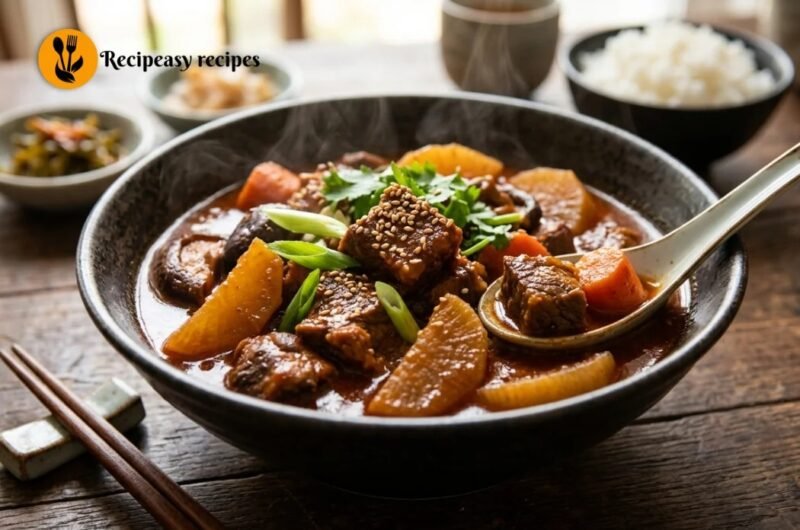
Serve it hot over steamed rice. Or use it as Chinese beef stew for noodles – just ladle it over a bowl of thick egg noodles or flat rice noodles. Both are excellent.
Slow Cooker Option
Do not want to watch the stove? No problem. This works beautifully as an easy slow cooker Chinese beef stew.
Just follow steps 1 and 2 on the stovetop. Then transfer everything to your slow cooker. Cook on LOW for 7 to 8 hours, or on HIGH for 4 to 5 hours. Add the potatoes and carrots during the last 2 hours so they do not turn mushy.
The slow cooker version is perfect for busy days. Set it in the morning, come home to dinner.
Tips That Actually Help
Blanch first, always. Skipping the blanching step means your broth will look cloudy and taste slightly off. It only takes five minutes and makes a big difference.
Low and slow is the key. The beef needs time to break down. High heat will make it tough. Keep the flame low and be patient.
Dark soy sauce is for color. Light soy sauce handles the saltiness. Dark soy sauce gives the broth that rich, deep brown color. You need both. They are not interchangeable.
Make extra. This stew tastes even better the next day. The flavors get deeper overnight. It also freezes well for up to 3 months.
For a thicker broth, mix one tablespoon of cornstarch with two tablespoons of water. Stir it into the pot during the last five minutes of cooking.
What to Serve With It
This stew is very flexible. Serve it with:
– Plain steamed white rice — the classic way
– Thick egg noodles or rice noodles
– Crusty bread to soak up the broth
– Steamed bok choy or stir-fried greens on the side
For the most traditional experience, the best Chinese braised beef recipe always goes with rice. The broth soaks into the rice and that combination is honestly hard to beat.
Final Thoughts
This chinese beef stew recipe is one of those meals that works any day of the week. It is simple enough for a Tuesday dinner and good enough to serve when guests come over. The ingredients are affordable, the steps are straightforward, and the result is always deeply satisfying.
Basically, once you make this, it will become a regular in your kitchen. Give it a try and see for yourself.
Chinese Beef Stew Recipe – Rich, Tender & Restaurant Style Slow Cooked Beef
Course: main, DinnerCuisine: Chinese (Cantonese / Indo-Chinese inspired)Difficulty: Easy4
servings20
minutes3
hours500
kcalA deeply flavorful slow-cooked Cantonese-style beef stew made with tender beef chunks, aromatic spices, and a rich savory soy-based sauce. Comforting, hearty, and perfect served with rice or noodles.
Ingredients
Main Ingredients
800g beef brisket or beef shank, cut into large chunks
3 tablespoons oil
1 onion, chopped
6 garlic cloves, smashed
2-inch ginger, sliced
2 potatoes, peeled and cut into chunks (optional)
Spices
2 star anise
1 cinnamon stick
3 cloves
2 bay leaves
Sauce & Seasoning
2 tablespoons doubanjiang (fermented chili bean paste)
2 tablespoons dark soy sauce
1 tablespoon light soy sauce
1 tablespoon Shaoxing wine (or dry sherry)
1 tablespoon oyster sauce
1 teaspoon sugar
600ml beef stock or water
Garnish
Spring onions (chopped)
A few drops of sesame oil
Directions
- Pat beef dry and cut into large chunks.
- Heat oil in a heavy pot and sear beef in batches until browned. Set aside.
- In the same pot, sauté onion, garlic, and ginger for 2–3 minutes.
- Add star anise, cinnamon, cloves, and bay leaves. Stir to release aroma.
- Add doubanjiang and cook for 1 minute until fragrant.
- Pour in Shaoxing wine and let it reduce for 30 seconds.
- Add soy sauces, oyster sauce, and sugar. Mix well.
- Return beef to the pot and coat with sauce.
- Add beef stock, bring to boil, then reduce heat to low.
- Cover and simmer for 2 to 2.5 hours until beef is tender.
- Add potatoes in the last 30–40 minutes (optional).
- Simmer uncovered if sauce needs thickening.
- Finish with sesame oil and spring onions before serving.
Notes
- Always sear beef properly for deep flavor.
- Don’t add potatoes too early or they will break apart.
- Stew tastes even better the next day.
- Use brisket or shank for best texture.