
Ampalaya Recipe: Easy Filipino Bitter Gourd Dish
In the mood for a vibrant and nutritious meal that packs a punch of health benefits? Try this Ampalaya Recipe and fill yourself with the goodness of bitter gourd’s unique flavor and crunch. Sometimes we’re craving something different, something that breaks away from the everyday routine. For those moments, I’ve got a fantastic recipe up my sleeve. Yes, it’s the classic Ampalaya dish think sautéed bitter gourd with savory twists.
Loaded with fiber-rich veggies, protein-packed add-ins, and a hint of tanginess to balance the bitterness, this Ampalaya recipe is perfect for keeping you fresh, satisfied, and energized. Whip it up for your family, and watch even the pickiest eaters devour this powerhouse veggie they’ve probably skipped before. It’s that delicious and good for you!
How to Make Ampalaya Recipe?
Hey, friend, let’s chat about whipping up this Ampalaya recipe like we’re in the kitchen together. Ampalaya, or bitter gourd, might sound intimidating if you’re not used to its bold taste, but trust me with the right prep, it turns into a mouthwatering side or main dish. We’re going for Ginisang Ampalaya, a simple Filipino-inspired sauté that’s quick, easy, and super versatile.
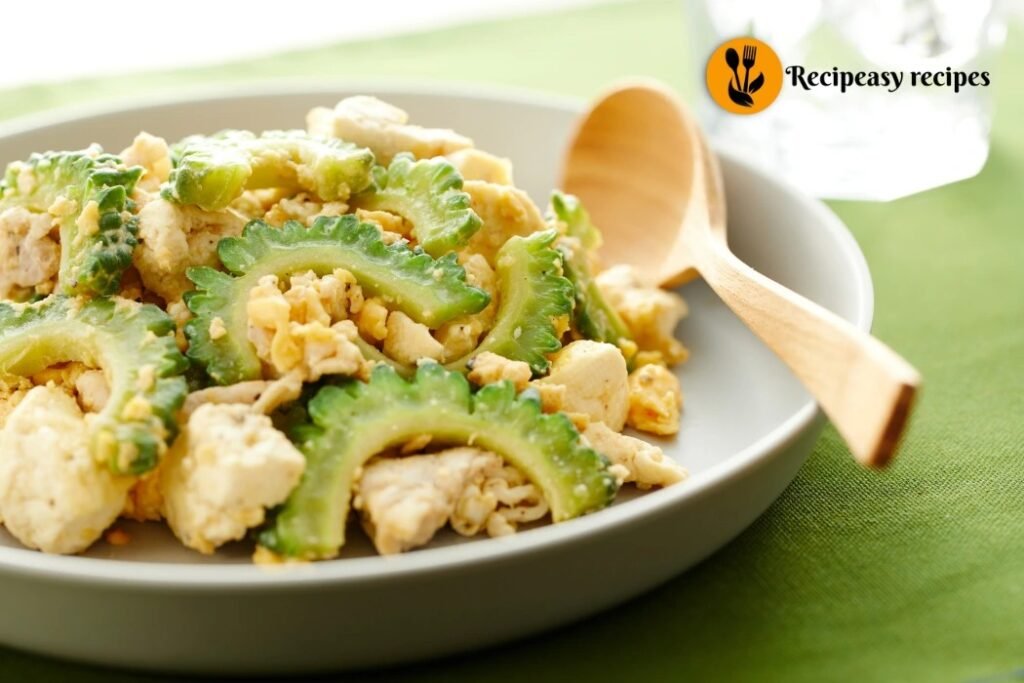
You’ll start by prepping the bitter gourd to tame its bitterness, then sauté it with garlic, onions, tomatoes, and maybe some eggs or meat for extra heartiness. It’s all about layering flavors a bit of salt, a splash of soy sauce, and you’re golden. This comes together in under 30 minutes, making it ideal for busy weeknights or when you want to impress without the fuss. Grab your wok, and let’s turn that humble veggie into something amazing!
Ingredients for this Recipe
- 2 medium-sized ampalaya (bitter gourd), sliced thinly (about 300g)
- 2 eggs, beaten (optional, for added protein and creaminess)
- 1 medium onion, sliced
- 2-3 cloves garlic, minced
- 2 medium tomatoes, chopped
- 200g ground pork or beef (or substitute with tofu for a vegetarian version)
- 2 tablespoons cooking oil (like vegetable or canola)
- 1 tablespoon soy sauce
- Salt and pepper to taste
- 1 cup water (for soaking the ampalaya)
- A pinch of sugar (optional, to balance bitterness)
This recipe serves 4 people as a side dish or 2 as a main.
Your Ultimate Guide to Cooking Ampalaya Recipe
- Prepare the Ampalaya: Start by washing the bitter gourd under running water. Slice them lengthwise, scoop out the seeds and white pith with a spoon this helps reduce the bitterness. Then, cut the flesh into thin half-moon slices. Place the slices in a bowl, sprinkle with about 1 teaspoon of salt, and gently massage it in.
Let it sit for 10-15 minutes. This draws out the bitter juices. After that, rinse the slices thoroughly under cold water and squeeze out excess moisture with your hands or a clean kitchen towel. Pat dry with paper towels to avoid sogginess later.
- Cook the Protein: Heat 2 tablespoons of oil in a large wok or skillet over medium heat. Add the minced garlic and sliced onions, sautéing them until the onions turn translucent and the garlic is fragrant – about 2-3 minutes. Don’t let it burn! Toss in the ground pork (or beef/tofu), breaking it up with a spatula. Cook until it’s no longer pink, around 5 minutes, stirring occasionally. Season with a pinch of salt and pepper for that savory base.
- Add the Veggies: Throw in the chopped tomatoes next. Stir everything together and let the tomatoes soften, releasing their juices – this should take about 3-4 minutes. The mixture will start to look like a flavorful sauce. Now, add the prepared ampalaya slices. Mix well to coat them in the tomato-onion goodness.
- Season and Simmer: Pour in the soy sauce and a splash of water (about 1/4 cup) if it looks too dry. Stir everything, cover the wok, and let it simmer on low heat for 5-7 minutes. The ampalaya should soften but still have a slight crunch – overcooking makes it mushy. Taste and adjust with more salt, pepper, or a tiny pinch of sugar if the bitterness is too strong for your liking.
- Incorporate the Eggs (Optional): Push the veggies and meat to one side of the wok. Pour in the beaten eggs and scramble them lightly until just set, about 1-2 minutes. Then, gently fold them into the rest of the dish for a creamy texture that binds everything together.
- Finish and Serve: Turn off the heat, give it one last stir, and transfer to a serving plate. Garnish with fresh chopped green onions if you have them for a pop of color and freshness. Serve hot with steamed rice for the ultimate comfort meal.

Tips and Variations
- To make it less bitter, soak the sliced ampalaya in salted water with a squeeze of lemon juice for an extra 5 minutes before rinsing – it works wonders!
- For a vegan twist, skip the meat and eggs altogether and add mushrooms or eggplant for bulk and umami.
- Spice it up by tossing in sliced chili peppers or a dash of fish sauce for that authentic Filipino kick.
- If you’re gluten-free, use tamari instead of soy sauce – it tastes just as good.
- Experiment with proteins: Try shrimp for a seafood version or chicken strips for something lighter.
- Leftover tip: This dish tastes even better the next day, so store in an airtight container in the fridge for up to 2 days and reheat gently.
Nutritional Information
Per serving (based on 4 servings, including eggs and pork): Approximately 180 calories, 10g fat (3g saturated), 12g carbs (4g fiber), 15g protein. Note: These are estimates; actual values can vary based on ingredients and portion sizes. Ampalaya is low in calories but high in vitamins A and C, plus it supports blood sugar control a win for health-conscious eaters!
FAQs
Q: Is ampalaya really that bitter? How can I make it milder?
A: Yes, it has a natural bitterness, but salting and rinsing as in step 1 cuts it down a lot. Adding a bit of sugar or pairing with sweet veggies like carrots can help too.
Q: Can I make this recipe ahead of time?
A: Absolutely! Prep the ingredients the night before, or cook the whole dish and refrigerate. Just reheat on the stove to keep the crunch.
Q: What if I can’t find ampalaya in stores?
A: Look in Asian markets or substitute with zucchini, though it won’t have the same health perks or flavor profile.
Q: Is this dish keto-friendly?
A: Pretty much! Skip the sugar and use low-carb add-ins; it’s naturally low in carbs with the focus on veggies and protein.
Q: How do I store leftovers?
A: In the fridge for up to 3 days. Freezing isn’t ideal as it can make the ampalaya watery upon thawing.
Conclusion
There you have it a simple yet sensational Ampalaya recipe that’s not just tasty but also a boon for your health. Whether you’re exploring Filipino flavors or just looking to sneak more veggies into your diet, this dish delivers on all fronts. Give it a try, tweak it to your taste, and let me know in the comments how it turned out. Happy cooking, and here’s to more adventurous meals that keep things fresh and exciting! If you enjoyed this, check out my other veggie-packed recipes for more inspiration.

Ampalaya Recipe: Easy Filipino Bitter Gourd Dish
Course: Main Course / Side DishCuisine: FilipinoDifficulty: Easy4
servings10
minutes20
minutes180 kcal
kcalA simple and healthy Filipino Ampalaya recipe with sautéed bitter gourd, garlic, onions, tomatoes, and optional protein. Quick, flavorful, and nutritious!
Ingredients
2 medium-sized ampalaya (bitter gourd), sliced thinly (about 300g)
2 eggs, beaten (optional, for added protein and creaminess)
1 medium onion, sliced
2-3 cloves garlic, minced
2 medium tomatoes, chopped
200g ground pork or beef (or substitute with tofu for a vegetarian version)
2 tablespoons cooking oil (like vegetable or canola)
1 tablespoon soy sauce
Salt and pepper to taste
1 cup water (for soaking the ampalaya)
A pinch of sugar (optional, to balance bitterness)
Directions
- Prepare the Ampalaya: Start by washing the bitter gourd under running water. Slice them lengthwise, scoop out the seeds and white pith with a spoon this helps reduce the bitterness. Then, cut the flesh into thin half-moon slices. Place the slices in a bowl, sprinkle with about 1 teaspoon of salt, and gently massage it in.
Let it sit for 10-15 minutes. This draws out the bitter juices. After that, rinse the slices thoroughly under cold water and squeeze out excess moisture with your hands or a clean kitchen towel. Pat dry with paper towels to avoid sogginess later. - Cook the Protein: Heat 2 tablespoons of oil in a large wok or skillet over medium heat. Add the minced garlic and sliced onions, sautéing them until the onions turn translucent and the garlic is fragrant – about 2-3 minutes. Don’t let it burn! Toss in the ground pork (or beef/tofu), breaking it up with a spatula. Cook until it’s no longer pink, around 5 minutes, stirring occasionally. Season with a pinch of salt and pepper for that savory base.
- Add the Veggies: Throw in the chopped tomatoes next. Stir everything together and let the tomatoes soften, releasing their juices – this should take about 3-4 minutes. The mixture will start to look like a flavorful sauce. Now, add the prepared ampalaya slices. Mix well to coat them in the tomato-onion goodness.
- Season and Simmer: Pour in the soy sauce and a splash of water (about 1/4 cup) if it looks too dry. Stir everything, cover the wok, and let it simmer on low heat for 5-7 minutes. The ampalaya should soften but still have a slight crunch – overcooking makes it mushy. Taste and adjust with more salt, pepper, or a tiny pinch of sugar if the bitterness is too strong for your liking.
- Incorporate the Eggs (Optional): Push the veggies and meat to one side of the wok. Pour in the beaten eggs and scramble them lightly until just set, about 1-2 minutes. Then, gently fold them into the rest of the dish for a creamy texture that binds everything together.
- Finish and Serve: Turn off the heat, give it one last stir, and transfer to a serving plate. Garnish with fresh chopped green onions if you have them for a pop of color and freshness. Serve hot with steamed rice for the ultimate comfort meal.
Notes
- Reduce bitterness with salted water & lemon juice soak.
- Vegan option: Skip meat & eggs, add mushrooms or eggplant.
- Spice it up with chili or fish sauce.
- Gluten-free: Use tamari instead of soy sauce.
- Pairs well with grilled fish or adobo.