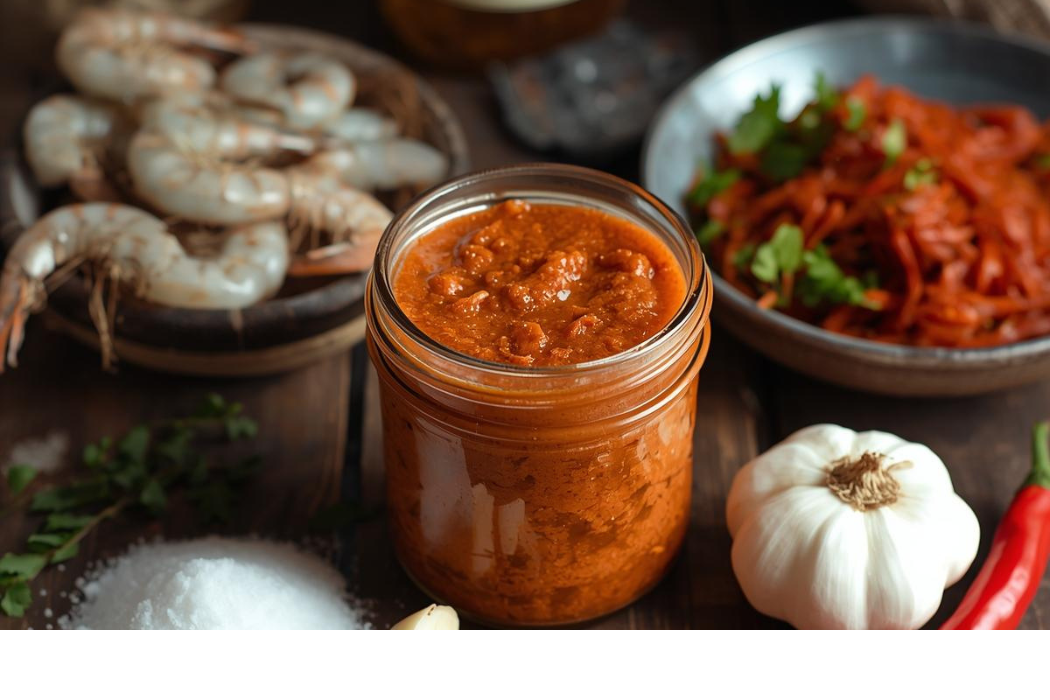
Authentic Filipino Bagoong Recipe – Fermented Fish Paste
The bagoong recipe is one of those Filipino culinary treasures that immediately awaken your senses with its strong aroma and deep, savory flavor. I still remember the first time I made it at home the taste was unforgettable! The blend of saltiness, umami, and a hint of sweetness makes it unlike anything else I’ve ever tried. It’s a true representation of how Filipinos turn simple ingredients into extraordinary flavors.
Making bagoong might seem complex at first glance, but once you understand its process, you’ll realize how fun and rewarding it is. Whether you’re a home cook in the Philippines or someone in the USA discovering this exotic flavor for the first time, this guide will walk you through every detail from its background to cooking tips, so you can master this authentic Filipino delicacy.
The Cultural Origin of Bagoong Recipe
Bagoong has been a part of Filipino cuisine for centuries. It originated as a method to preserve fish in coastal regions where refrigeration didn’t exist. Over time, it evolved from being just a preservation technique to becoming a beloved condiment used in many dishes. This traditional fermented fish paste reflects the Filipino love for bold and rich flavors a true blend of culture, creativity, and culinary wisdom passed down through generations.
Understanding What Makes Bagoong Special
So, what is bagoong exactly?
Bagoong is a fermented seafood paste made primarily from small fish or shrimp mixed with salt. The mixture is left to ferment for several weeks or even months, resulting in a thick, flavorful condiment that adds depth to many Filipino dishes like Kare-Kare, Pinakbet, and green mango slices. Its distinctive salty, savory, and slightly tangy profile makes it a flavor enhancer like no other.
Why You’ll Love Making This Traditional Condiment
You’ll fall in love with this recipe for many reasons. First, it’s incredibly versatile you can use it as a dip, cooking ingredient, or flavor booster. Second, making it at home lets you control its saltiness and texture. Lastly, there’s something truly satisfying about creating your own version of a centuries-old Filipino recipe that brings comfort and nostalgia to every bite.
Essential Tools & Utensils You’ll Need
Before starting, gather the right equipment to ensure a smooth cooking process:
- Glass or ceramic jar: For fermenting the mixture safely. Avoid plastic or metal containers.
- Mixing bowl: To combine the fish and salt evenly.
- Wooden spoon or spatula: Perfect for stirring the ingredients without affecting fermentation.
- Strainer: Helps rinse the fish thoroughly before fermenting.
- Measuring cups & spoons: Ensures accurate proportions of fish and salt.
Each of these tools plays an important role in maintaining the authentic texture and flavor of bagoong while keeping it safe to consume.
Ingredients List:
To prepare bagoong, you’ll need the following ingredients:
- Small fish (anchovies, sardines, or bonnetmouth fish): The base of your bagoong.
- Sea salt: Acts as a preservative and helps fermentation.
- Water: Just enough to moisten the mixture.
- Optional flavor boosters: A touch of brown sugar, garlic, or chili for a unique twist.
Tip: Traditionally, bagoong uses anchovies or small fish called dilis. The fresher the fish, the better the final result.
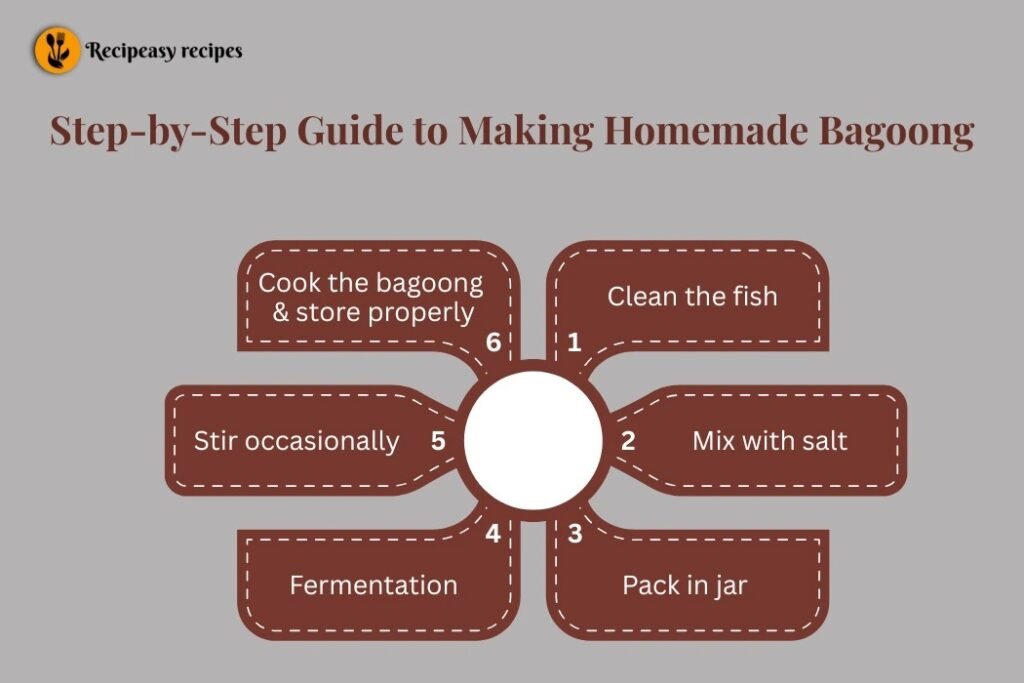
Step-by-Step Guide to Making Homemade Bagoong Recipe
Here’s a detailed breakdown of how to make bagoong at home easy, authentic, and delicious:
- Clean the fish:
Wash the fish thoroughly with water to remove impurities. Pat them dry using paper towels. - Mix with salt:
Combine the fish and sea salt in a mixing bowl (ratio: 3 parts fish to 1 part salt). Mix well using a wooden spoon. - Pack in jar:
Transfer the mixture into a sterilized glass or ceramic jar. Press down lightly to remove air pockets. - Fermentation:
Seal the jar and store it in a cool, dry place for 30–90 days. The longer it ferments, the deeper the flavor. - Stir occasionally:
Every two weeks, open the jar and stir the mixture gently to ensure even fermentation. - Cook the bagoong (optional):
Some people prefer to sauté bagoong with a bit of oil, sugar, and chili to balance the saltiness. - Store properly:
Once fermented or cooked, store it in the refrigerator to preserve its flavor for months.
This process may take time, but the result a jar full of flavorful, aromatic bagoong is absolutely worth it!
Preparation, Cooking, and Serving Time Breakdown
- Preparation time: 20 minutes
- Fermentation time: 30–90 days (depending on desired flavor)
- Cooking time (optional sautéing): 10 minutes
- Serving size: Makes about 2 cups of bagoong
Nutritional Information of Bagoong Recipe
Bagoong is not just about taste it’s also rich in nutrients.
- Calories: Approximately 35 kcal per tablespoon
- Protein: 5 g
- Fat: 1 g
- Sodium: High (due to salt fermentation)
- Vitamins: Contains small amounts of vitamin B12 and omega-3 fatty acids
- Note: Because bagoong is high in sodium, it’s best enjoyed in moderation.
How to Present and Enjoy Bagoong Perfectly
Bagoong can be served in various ways depending on your meal:
- Pair it with green mango slices for a sweet-salty contrast.
- Use it as a condiment for Kare-Kare or other Filipino stews.
- Add a spoonful to fried rice or noodles for a boost of umami.
- Mix it with vinegar and chili for a spicy dipping sauce.
Its rich, complex taste can transform simple dishes into flavor-packed meals.
Pro Tips & Recipe Notes for Best Results
- Always use fresh fish for the best fermentation.
- Avoid metal containers, as they can react with salt.
- If you prefer milder bagoong, reduce the fermentation time.
- For a sweeter balance, add a bit of brown sugar when sautéing.
- Store in airtight jars to prevent contamination.
Health Benefits of Eating Bagoong Recipe
Although high in salt, bagoong offers certain health benefits when consumed responsibly:
- Rich in protein: Supports muscle repair and energy.
- Contains probiotics: Fermentation promotes gut health.
- Good source of omega-3s: Beneficial for heart health.
- Low in calories: Ideal for flavoring meals without adding too many calories.
FAQs
1. What kind of fish is used for bagoong?
Typically, small fish like anchovies, sardines, or bonnetmouth are used.
2. What is the taste of bagoong?
It has a salty, savory, and slightly fermented flavor with deep umami notes.
3. How long should bagoong ferment?
At least 30 days, but for richer flavor, ferment up to 90 days.
4. Is bagoong healthy to eat?
Yes, in small portions. It’s rich in protein and probiotics but high in sodium.
5. Can I store bagoong for a long time?
Yes! Once fermented, it can last several months when refrigerated properly.
Final Thoughts
Making the bagoong recipe at home is more than just cooking it’s embracing Filipino tradition, patience, and creativity. This flavorful condiment enhances every dish it touches and connects generations through taste and culture. Whether you’re new to Filipino cuisine or rediscovering it, making bagoong from scratch brings both joy and satisfaction to your kitchen.
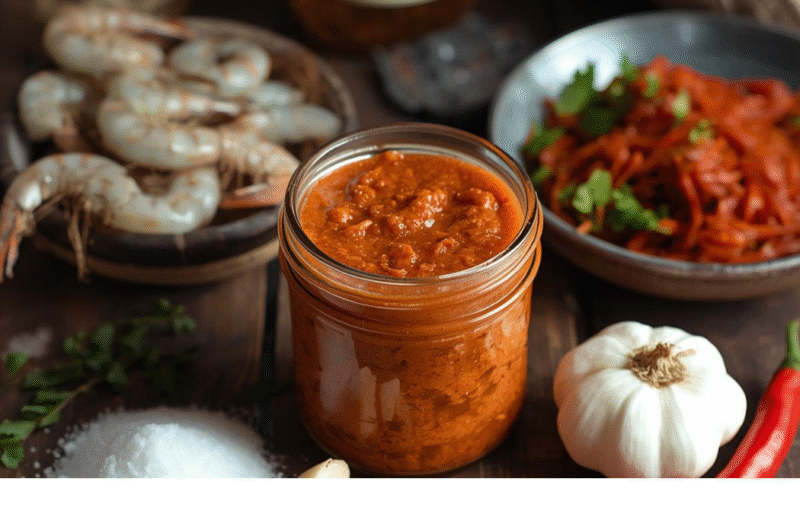
Authentic Filipino Bagoong Recipe – Fermented Fish Paste
Course: Sauces, AppetizersCuisine: Filipino2 cups
servings20
minutes10
minutes35 kcal per tablespoon
kcalLearn how to make traditional Filipino bagoong — a flavorful fermented fish paste with deep umami taste, perfect for pairing with green mangoes or stews. 🇵🇭
Ingredients
Small fish (anchovies, sardines, or bonnetmouth fish): The base of your bagoong.
Sea salt: Acts as a preservative and helps fermentation.
Water: Just enough to moisten the mixture.
Optional flavor boosters: A touch of brown sugar, garlic, or chili for a unique twist.
Directions
- Clean the fish:
Wash the fish thoroughly with water to remove impurities. Pat them dry using paper towels. - Mix with salt:
Combine the fish and sea salt in a mixing bowl (ratio: 3 parts fish to 1 part salt). Mix well using a wooden spoon. - Pack in jar:
Transfer the mixture into a sterilized glass or ceramic jar. Press down lightly to remove air pockets. - Fermentation:
Seal the jar and store it in a cool, dry place for 30–90 days. The longer it ferments, the deeper the flavor. - Stir occasionally:
Every two weeks, open the jar and stir the mixture gently to ensure even fermentation. - Cook the bagoong (optional):
Some people prefer to sauté bagoong with a bit of oil, sugar, and chili to balance the saltiness. - Store properly:
Once fermented or cooked, store it in the refrigerator to preserve its flavor for months.
Notes
- Always use fresh fish for the best fermentation.
- Avoid metal containers, as they can react with salt.
- If you prefer milder bagoong, reduce the fermentation time.
- For a sweeter balance, add a bit of brown sugar when sautéing.
- Store in airtight jars to prevent contamination.