Chilean Empanadas Recipe That Tastes Like Homemade Tradition
Quick tip before you start: make the filling the day before if you can. Seriously. The flavor difference is noticeable, and it also makes the whole process feel a lot less hectic on baking day.
I didn’t know that the first time I made a chilean empanadas recipe. I made everything in one shot, and while they still tasted good, they weren’t what I was hoping for. A Chilean friend of mine her name is Valentina laughed a little and said her mom always made the pino (that’s what the filling is called) the night before. So I started doing the same, and it genuinely changed everything.
Let me walk you through how I make these now.
The Filling Comes First, and It Matters More Than You Think
The traditional filling for Chilean empanadas is called pino, and it’s a beef mixture that’s slow-cooked with onions, cumin, and a generous amount of paprika. However, don’t let the short ingredient list fool you the way you build it matters a lot.
Start with about a pound of ground beef (not too lean, an 80/20 blend works well) and roughly two cups of finely diced white onion. The onion should actually be the star here, not the beef. You want more onion than feels normal. Cook the onion first in a bit of oil over medium heat until it’s completely soft and starting to turn translucent maybe 10 to 12 minutes. Then add the beef and break it up well.
Season with a heaping teaspoon of cumin, a tablespoon of sweet paprika, some salt, and a pinch of oregano. Some recipes add a little beef broth or even a spoonful of flour to help the mixture hold together, and honestly, I do both. It keeps the filling juicy without making it soggy.
Once it’s cooked, take it off the heat and let it cool completely before refrigerating it overnight. Also, this cooling step is non-negotiable hot filling will ruin your dough.
When you’re ready to assemble, you’ll also need hard-boiled eggs (sliced), a small handful of black olives, and raisins. I know raisins in a savory empanada sounds strange. I skipped them the first time because I was skeptical. But they add this subtle sweetness that balances the cumin really well, so now I always include them.
Getting the Dough Right (And Where I Went Wrong)
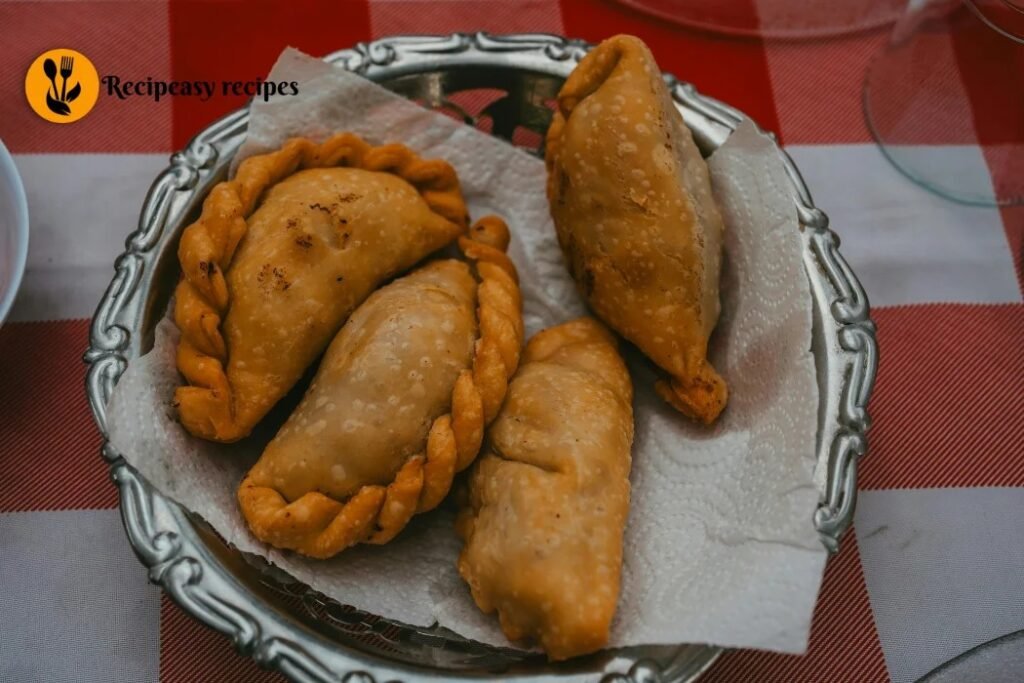
The dough for chilean empanadas is not the same as other empanada doughs. It’s a bit more tender, slightly flaky, and baked rather than fried which also means it needs to hold its shape in the oven without falling apart.
Here’s what goes into it: three cups of all-purpose flour, one teaspoon of salt, one teaspoon of sugar, about 10 tablespoons of cold unsalted butter (cut into small cubes), and roughly half a cup of warm water mixed with an egg yolk. Some people use lard instead of butter for a more authentic result, and if you can find it, go for it. I’ve made it both ways, and the lard version has a slightly richer, more savory quality. However, butter works beautifully and is easier to find.
Mix the flour, salt, and sugar together. Then work the cold butter in with your fingers or a pastry cutter until the mixture looks like rough, sandy crumbs. Add the egg-water mixture gradually and mix just until a dough forms. Don’t overwork it that’s what makes it tough. Also, if the dough feels sticky, add flour one tablespoon at a time. If it’s too dry, a tiny splash more water.
Wrap it and refrigerate for at least 30 minutes.
The first time I made this dough, I skipped the resting step because I was impatient. The dough was hard to roll and kept shrinking back. After resting it, rolling became much smoother and easier. So yes let it rest.
Rolling, Filling, and Sealing
Divide the dough into roughly 10 equal portions. Roll each one into a circle about 6 to 7 inches wide not too thin, or they’ll tear when you fold them.
Spoon about two tablespoons of the pino filling into the center of each round. Add one slice of hard-boiled egg, a raisin or two, and one olive. Then fold the dough over into a half-moon shape and press the edges together firmly.
The seal is important. There’s a specific folding technique called a repulgue it’s a decorative rope-like crimp along the edge. Honestly, I’m still not great at it, and mine look a little rustic compared to what you’d find in Chile. But even a basic fork crimp holds just fine and keeps everything sealed. Don’t stress about making them look perfect.
Brush each one with an egg wash (one egg beaten with a splash of milk), which gives them that golden, glossy finish when they bake.
Baking Them
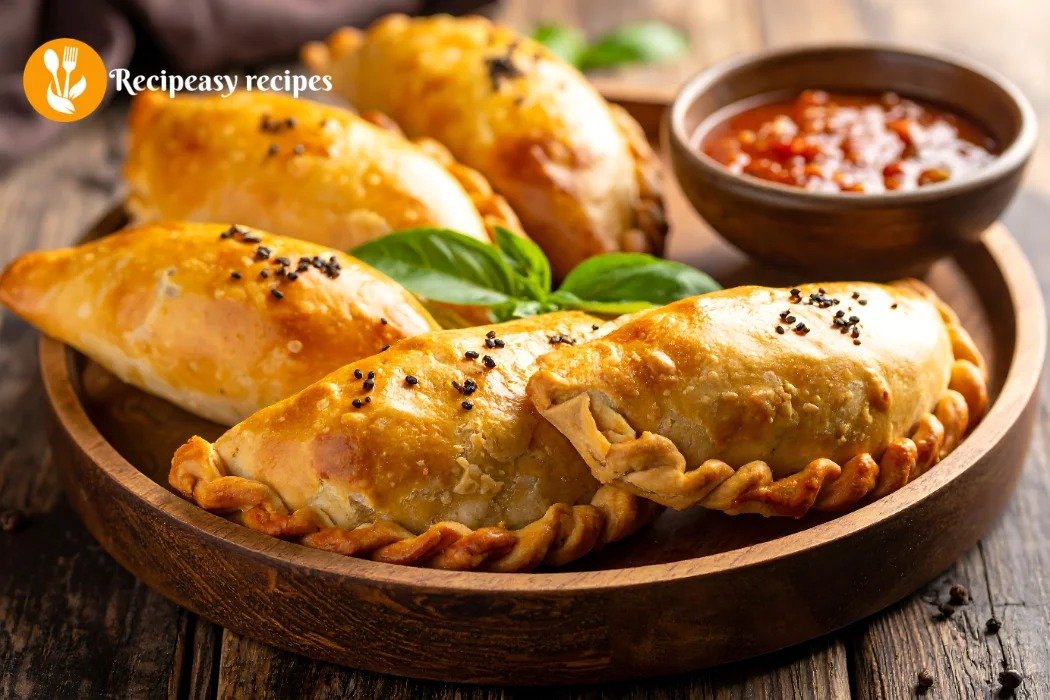
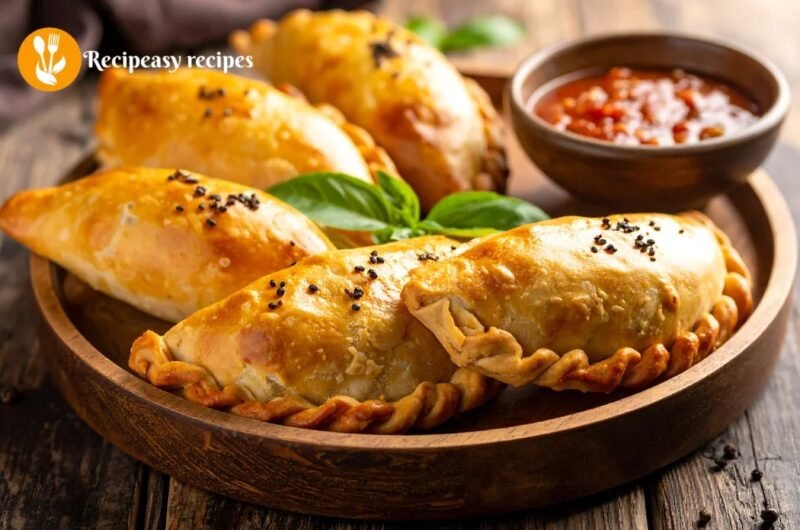
Bake at 375°F (190°C) on a parchment-lined sheet for about 25 to 30 minutes. You’re looking for a deep golden-brown color not pale, not dark. Meanwhile, your kitchen is going to smell incredible. The cumin and paprika come alive in the oven in a way that’s just hard to describe unless you’ve experienced it yourself.
Let them cool for five minutes before eating, even though that’s nearly impossible. The filling stays very hot inside and will absolutely burn your mouth if you rush it. I’ve learned this the hard way more than once.
These best be eaten same day if possible, while the dough is still slightly crisp. However, they do reheat well in an oven the next day just avoid the microwave, which makes the dough soft and chewy in a way that isn’t great.
A Few Things Worth Knowing
If you want to make a smaller batch, everything scales down easily. Also, the uncooked assembled empanadas can actually be frozen on a tray and then transferred to a freezer bag just bake them straight from frozen at the same temperature for about 35 minutes.
One substitution I’ve tried: some people make these with chicken instead of beef, adding a bit of roasted pepper and cream cheese to the filling. It’s delicious in a completely different way. But for your first time, stick with the pino. It’s what makes this dish what it is.
Summary
There’s something about making this chilean empanadas recipe from scratch that feels genuinely rewarding. It takes a bit of time, but none of the steps are complicated and once you’ve made them once, you’ll understand exactly why these are a staple across Chilean households.
The dough, the filling, the little surprise of olive and raisin inside it all just works. And honestly, watching someone take a first bite of something you made from scratch is pretty much worth every minute spent in that kitchen.
Chilean Empanadas Recipe (Authentic Beef Pino & Flaky Dough)
Course: MAIN DISH, SnacksCuisine: ChileanDifficulty: Easy10
servings45
minutes30
minutes280
kcalIngredients
For the Filling (Pino)
1 lb ground beef (80/20 recommended)
2 cups white onion (finely diced)
1 teaspoon cumin
1 tablespoon sweet paprika
½ teaspoon oregano
Salt to taste
2–3 tablespoons beef broth (optional)
1 tablespoon flour (optional, for binding)
2 hard-boiled eggs (sliced)
10–15 black olives
2–3 tablespoons raisins
For the Dough
3 cups all-purpose flour
1 teaspoon salt
1 teaspoon sugar
10 tablespoons cold unsalted butter (cubed)
½ cup warm water
1 egg yolk
For Egg Wash
1 egg
Splash of milk
Directions
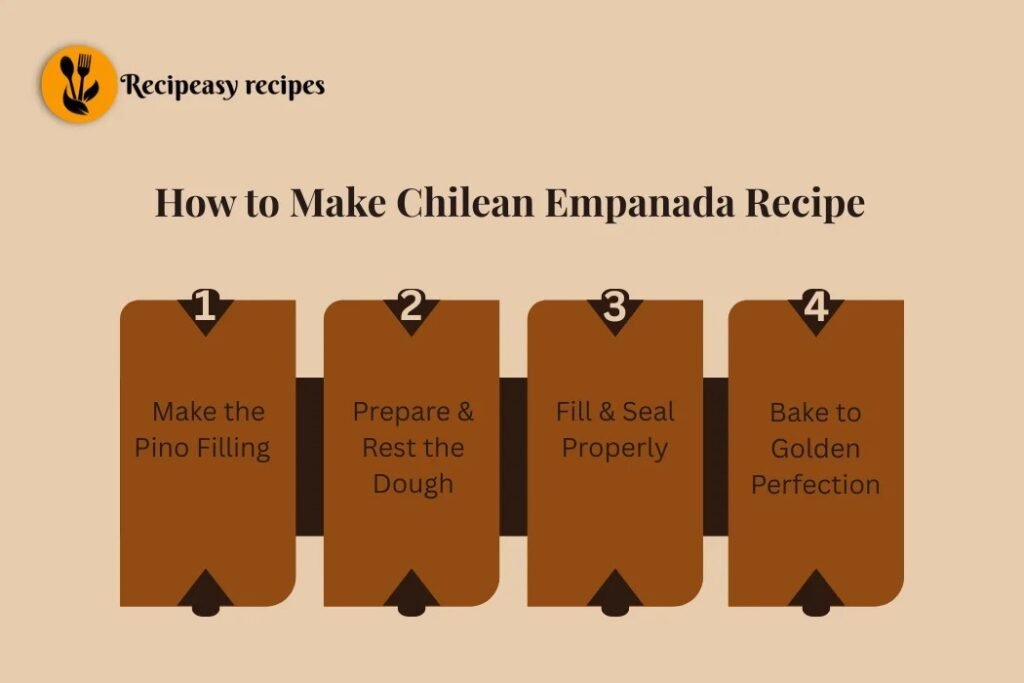
- Make the filling (Pino): Cook onions in oil until soft. Add beef and break it apart. Season with cumin, paprika, oregano, and salt. Cook until fully browned. Let cool completely and refrigerate overnight for best flavor.
- Prepare the dough: Mix flour, salt, and sugar. Cut in cold butter until crumbly. Add egg yolk + warm water gradually until dough forms. Do not overwork. Chill for 30 minutes.
- Roll the dough: Divide into 10 portions. Roll each into 6–7 inch circles.
- Fill the empanadas: Add 2 tablespoons pino, a slice of egg, 1 olive, and a few raisins to each circle.
- Seal properly: Fold into half-moons and seal edges tightly. Crimp with fork or repulgue style.
- Apply egg wash: Brush tops with egg wash for golden color.
- Bake: Bake at 375°F (190°C) for 25–30 minutes until golden brown.
Notes
- Overnight filling = deeper flavor
- Don’t skip onion cooking time
- Raisins + olives = authentic balance of sweet & savory
- Avoid microwaving leftovers (ruins texture)
- Dough must rest to prevent shrinking