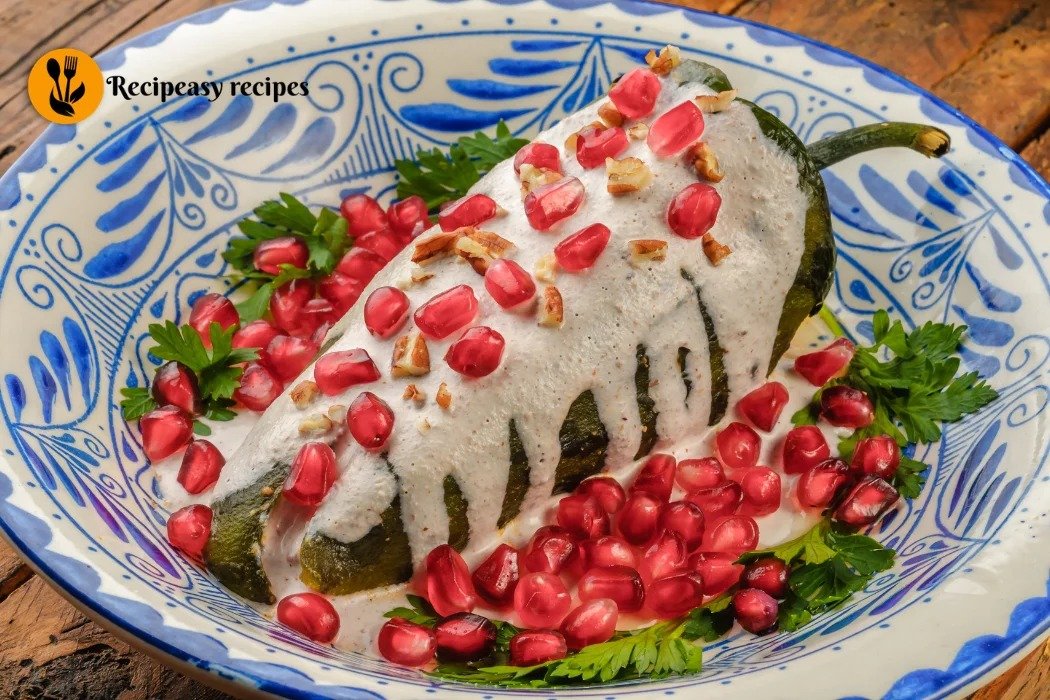
Chiles en Nogada Recipe: A Traditional Mexican Dish That’s Beautiful, Rich, and Worth Every Step
Some recipes teach you something. This one taught me to slow down, plan ahead, and stop being intimidated by a long ingredient list. The first time I made a chiles en nogada recipe from scratch, it took me the better part of a Saturday. The second time, knowing what I was doing, it felt almost meditative. And both times, the result looked like something from a painting literally. Green, white, and red on the plate, the colors of the Mexican flag, which is exactly the point.
This dish has history behind it. It was supposedly created in Puebla in 1821 to celebrate Mexican independence, and it’s still traditionally made in late summer when pomegranate and walnuts are both in season. If you’ve never encountered it before, here’s the short version: roasted poblano peppers stuffed with a spiced meat-and-fruit filling (picadillo), covered in a creamy walnut sauce, and topped with pomegranate seeds and fresh parsley. Sweet, savory, creamy, a little smoky. There is nothing else quite like it.
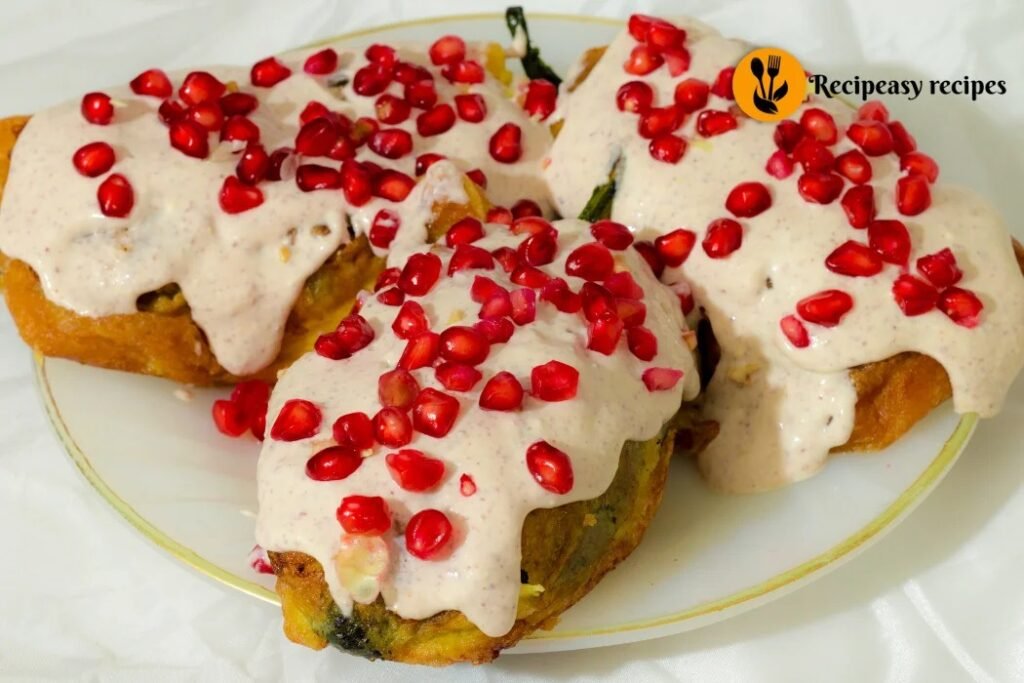
Start With the Filling — It Takes the Most Time
The picadillo filling is where the depth of this dish comes from, and also where most first-timers (including me) underestimate the work involved. However, once you understand what you’re building essentially a sweet-savory ground meat mixture with fruit and spices it becomes very approachable.
The traditional version uses ground pork, though a mix of ground beef and pork is common too. You sauté onion and garlic first, then add the meat and brown it, and after that comes the layering: peeled diced tomatoes, diced peach or pear, plantain or apple, raisins, almonds, pine nuts, a little sherry or white wine, and spices cinnamon, cloves, black pepper, salt.
The ingredients list looks long, but most of these are small amounts. Don’t let it scare you. I wrote everything out and prepped it all before I turned on the stove, and once I was actually cooking it moved quickly.
One thing I got wrong the first time: I added too much liquid early on and ended up with a filling that was too wet. When I stuffed the peppers, some of it leaked out during baking. So now I let the picadillo cook uncovered at the end maybe 10 to 15 minutes over medium-low until it’s thick and almost jammy. It should hold together when you spoon it, not pool. That extra patience makes a real difference.
Also, the sweetness level is something you’ll want to taste and adjust. Some people use more raisins, some use less fruit. I find that one medium peach and a small pear gives a gentle sweetness that balances the savory meat without overwhelming it. Taste it at the end and season well this filling should be bold.
The Poblanos: Roasting and Peeling Without Losing Your Mind
Poblano peppers have a tough, slightly waxy skin that needs to come off before you can use them. The way to do this is to char them directly over a gas flame or under a broiler until the skin is blackened and blistered all over, then steam them in a covered bowl or plastic bag for about 15 minutes, and after that the skin slips off fairly easily.
I say “fairly easily” because the first time I did this, I was too impatient. I skipped the steaming step, started peeling immediately, and fought with the skin for ten minutes while the pepper fell apart. Steaming matters. Give it the full 15 minutes and the skin will peel off in satisfying sheets.
Also and this is important you need to make a careful lengthwise cut to open the pepper and remove the seeds and veins inside, while keeping the pepper intact enough to stuff. I use a small sharp knife and work slowly. The stems can usually be kept on, which makes the finished presentation look more elegant.
After peeling, some recipes call for soaking the peppers in salted water with a little vinegar to mellow the heat. I’ve done this both ways. If you’re sensitive to spice or serving the dish to guests who are, the soak helps. Otherwise it’s not essential.
The Nogada: That Walnut Sauce Is Everything
Nogada is the walnut cream sauce that gives this dish its name, and it’s the component that initially confused me most. It’s served cold, poured over the warm stuffed peppers, and it’s made from fresh walnuts, fresh goat cheese (queso de cabra) or cream cheese, sour cream or Mexican crema, a splash of sherry, sugar, and sometimes a little cinnamon.
The key word there is fresh walnuts. Not the old bag sitting in your pantry from last December. Fresh, in-season walnuts have a mild, creamy, almost milky flavor. Older walnuts turn bitter and tannic, and that bitterness will dominate the entire sauce. So timing this dish for walnut season typically August through September in Mexico isn’t just tradition, it’s practical advice.
To make the sauce, blanch the walnuts briefly in boiling water, then peel the papery inner skin off as much as you can. It’s a slightly tedious step. However, it’s worth doing because those skins hold most of the bitterness. After that, blend everything together until completely smooth. Add milk or crema to loosen it to a thick, pourable consistency similar to a slightly runny yogurt. Taste it. It should be mildly sweet, gently savory, faintly tangy from the cheese, and nutty without being bitter.
Season carefully at the end. I add a small pinch of cinnamon and white pepper, and that’s it.
Vegetarian Version — More Common Than You’d Think
A meatless filling works beautifully here. Replace the ground pork with finely diced mushrooms (a mix of cremini and oyster works well) and add extra pine nuts and almonds. The fruit and spice profile stays exactly the same, and the result is just as rich. Also, lentils cooked until soft can be stirred in for additional body and protein if you want it more substantial.
I’ve served both versions at the same table and the vegetarian one disappears just as quickly.
Assembly: The Part That Feels Like Art
Once you have the filling, the peppers, and the sauce ready, the dish comes together quickly. Spoon the warm filling generously into each pepper pack it in, they can hold more than they look like they can. Arrange them on a platter, pour the cold nogada sauce over each one just before serving, then scatter pomegranate seeds over everything and finish with a handful of flat-leaf parsley.
The contrast of temperatures warm spiced filling, cold walnut sauce is intentional and essential. Don’t assemble too far in advance or the sauce will warm up and the pomegranate seeds will start to bleed into it. Do everything else ahead of time, but assemble right before the meal.
That moment when you set the finished platter on the table the deep red pomegranate against the white sauce against the green parsley is genuinely worth the effort. People always go quiet for a second before reaching for a pepper.
A Few Things Worth Knowing Before You Start
This is a dish that rewards planning. The picadillo can be made a day ahead and refrigerated it actually tastes better the next day as the spices settle. The nogada can also be made a few hours ahead and kept cold. The peppers can be roasted and peeled in advance and stored in the fridge. So you don’t need to do everything at once.
The best time to make it is late August or early September when pomegranates, fresh walnuts, and peaches are all available at the same time. Outside of that window, the dish loses some of its authenticity though frozen pomegranate seeds and fresh walnuts from a specialty store can extend the season a little.
Also, don’t rush the filling. The sugar from the fruit needs time to caramelize slightly and the flavors need time to come together. I’ve made a version where I was impatient and took it off the heat early, and while it tasted good, it didn’t have that deep, settled quality that a slow-cooked picadillo develops.
One last thing: this dish is inherently generous and celebratory. Making a chiles en nogada recipe well is a genuine act of care for the people eating it. There are simpler dinners. There are faster dinners. But few feel more like an occasion.
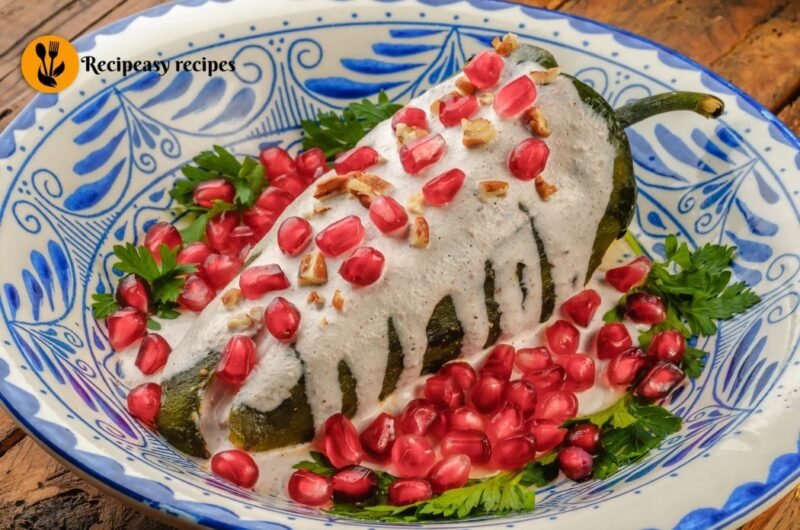
The Most Beautiful Dish I’ve Ever Made — And the Most Humbling
Course: MainCuisine: Mexican (Traditional / Puebla Region)Difficulty: Easy4
servings45
minutes1
hour520
kcalLearn a traditional chiles en nogada recipe with roasted poblano peppers, spiced fruit-filled picadillo, and creamy walnut sauce. A stunning Mexican dish with green, white, and red presentation perfect for special occasions.
Ingredients
Keyword: chiles en nogada recipe
Main Ingredient: Poblano peppers
Filling: Picadillo (meat + fruit + spices)
Sauce: Walnut cream sauce (Nogada)
Topping: Pomegranate seeds, parsley
Flavor Profile: Sweet, savory, creamy, nutty, slightly smoky
Occasion: Independence Day, festive meals, special dinners
Directions
- Roast poblano peppers until skin is charred, then steam for 15 minutes and peel.
- Carefully slit each pepper and remove seeds while keeping them intact.
- Heat oil and sauté onion and garlic until soft.
- Add ground pork (or beef mix) and cook until browned.
- Stir in tomatoes, chopped peach or pear, apple or plantain, raisins, almonds, and pine nuts.
- Add a splash of sherry or white wine and season with cinnamon, cloves, salt, and pepper.
- Cook on medium-low heat for 10–15 minutes until the filling is thick and jam-like.
- Blanch walnuts briefly and peel off their skins.
- Blend walnuts with cream, goat cheese (or cream cheese), sugar, and sherry until smooth.
- Adjust the sauce consistency with milk or crema until thick but pourable.
- Stuff each roasted poblano generously with the warm picadillo filling.
- Place stuffed peppers on a serving plate.
- Pour the cold walnut (nogada) sauce over the peppers.
- Garnish with pomegranate seeds and fresh parsley.
- Serve immediately for the best contrast of warm filling and cold sauce in this chiles en nogada recipe.
Notes
- Use fresh walnuts for the best nogada flavor
- Roast and steam poblanos for easy peeling
- Let picadillo reduce until thick and jam-like
- Assemble just before serving for best texture contrast