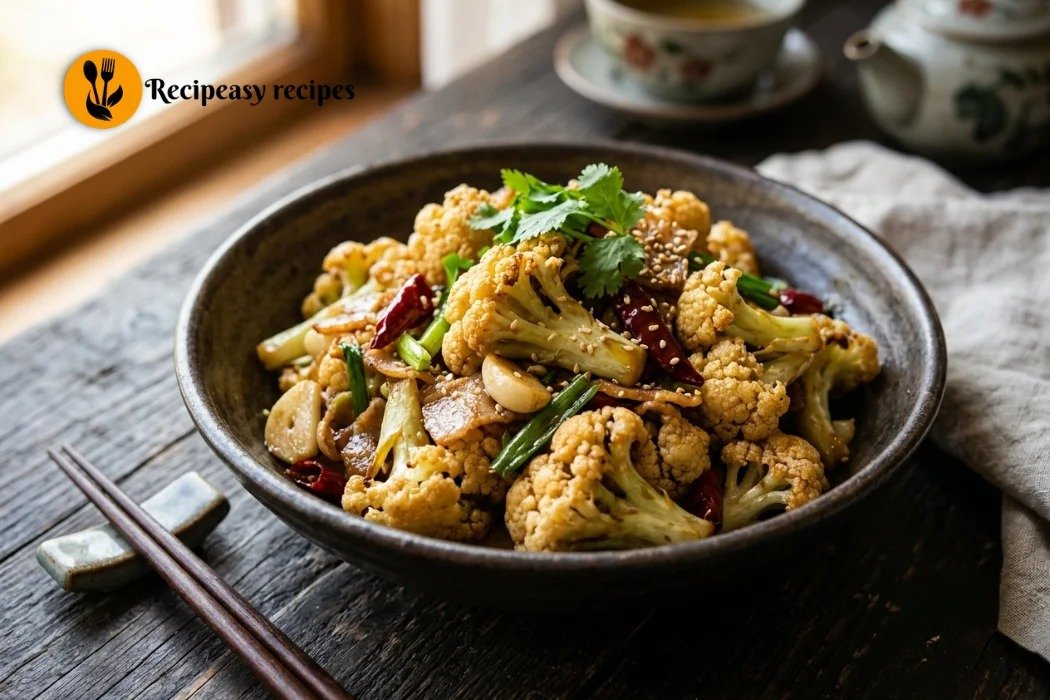
Chinese Cauliflower Recipe (Easy Stir Fry & Roasted Version)
Cauliflower doesn’t have to be boring. This chinese cauliflower recipe turns a plain vegetable into something seriously good – tender florets, a savory sauce, and big flavor in about 30 minutes.
It works as a side dish next to rice, or just on its own. Either way, it disappears fast.
Start With the Right Cauliflower
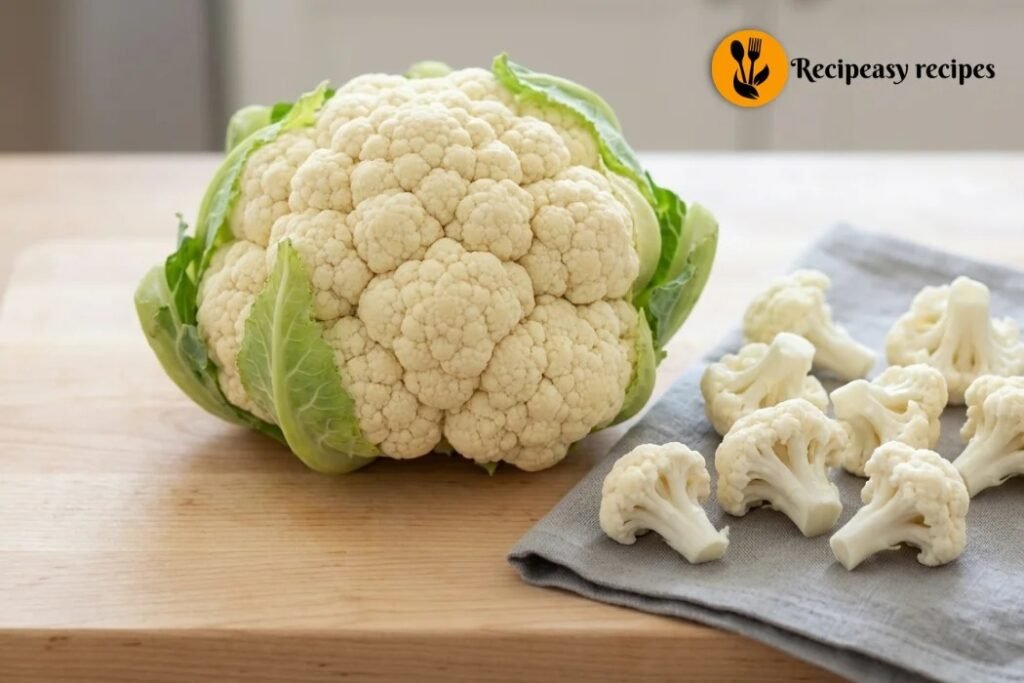
Regular white cauliflower works perfectly here. But if you spot Chinese cauliflower at an Asian grocery store, grab it. The florets are smaller and more delicate. They soak up sauce faster and have a slightly sweeter flavor.
Both types work. Just make sure the head looks fresh and white – no brown spots.
Cut it into bite-sized florets. Try to keep them roughly the same size so they cook evenly.
What You’ll Need
For the stir fry:
- 1 large head cauliflower (about 1 lb of florets)
- 4–5 garlic cloves, minced
- 1 tablespoon neutral oil (vegetable or avocado oil)
- ½ teaspoon salt (for blanching)
- 2–3 dried red chilies, optional
- 1 green onion, sliced (for serving)
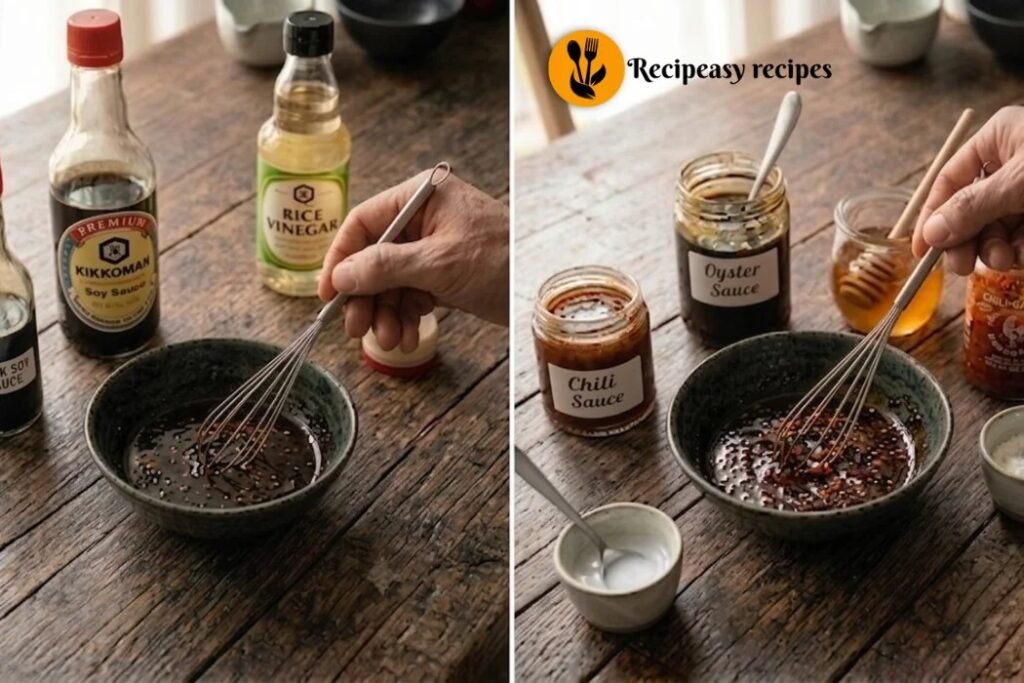
For the sauce:
- 1½ tablespoons soy sauce
- 1 tablespoon oyster sauce (use vegetarian oyster sauce to keep it a vegan Chinese cauliflower recipe)
- 1 teaspoon sugar
- ½ teaspoon toasted sesame oil
- 2 teaspoons cornstarch
- ¼ cup water
Mix the sauce ingredients together in a small bowl. Set it aside.
Blanch First – It Makes a Difference
Here’s a step a lot of people skip. Don’t.
Bring a pot of salted water to a boil. Drop in the cauliflower florets and blanch for just 2 minutes. You want them about 70% cooked – still a little firm in the center.
Drain them and run cold water over the top right away. That stops them from getting mushy before they hit the pan.
This is what gives you that restaurant-style crispy cauliflower Chinese style texture – soft enough to eat, but with a little bite left.
How to Stir Fry It
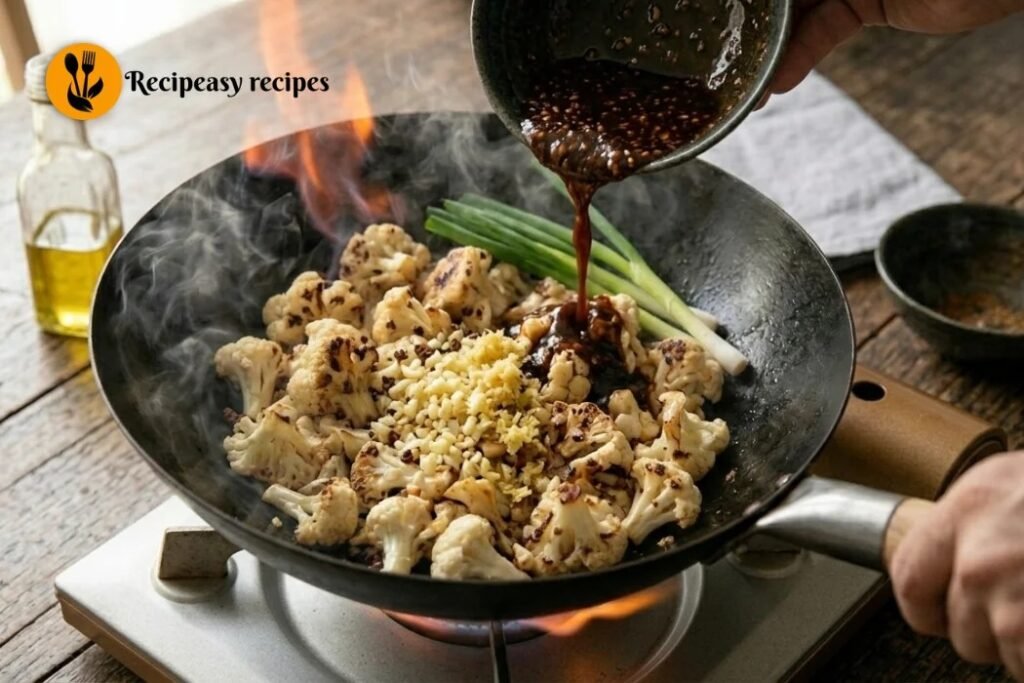
Heat a large pan or wok over medium-high heat. Add the oil. Once it shimmers, add the garlic and dried chilies if you’re using them.
Stir for about 30 seconds. Just until the garlic smells good and starts to turn golden.
Add the cauliflower. Toss everything together and let it sit for a minute without stirring – that gets a little color on the edges. Then stir and do it again.
Now give your sauce a quick stir (the cornstarch settles to the bottom), and pour it into the pan.
Toss everything to coat. The sauce will thicken up in about 1–2 minutes. Once it clings to the florets and looks glossy, you’re done.
Taste it. Adjust salt if needed. Scatter green onion on top and serve.
Want It Spicy?
Add more dried chilies and a teaspoon of chili bean paste (doubanjiang). That brings in the heat and a slightly smoky depth – similar to a spicy Sichuan cauliflower style.
Or go in a totally different direction. Swap the chilies for a handful of roasted peanuts and a drizzle of hoisin. That gives you something closer to a kung pao cauliflower recipe – nutty, sweet, and a little tangy.
Both variations use the same base. Just adjust a few ingredients.
Oven Version (For When You Don’t Want to Stir Fry)
Roasting is another great option. Especially if you want a hands-off approach.
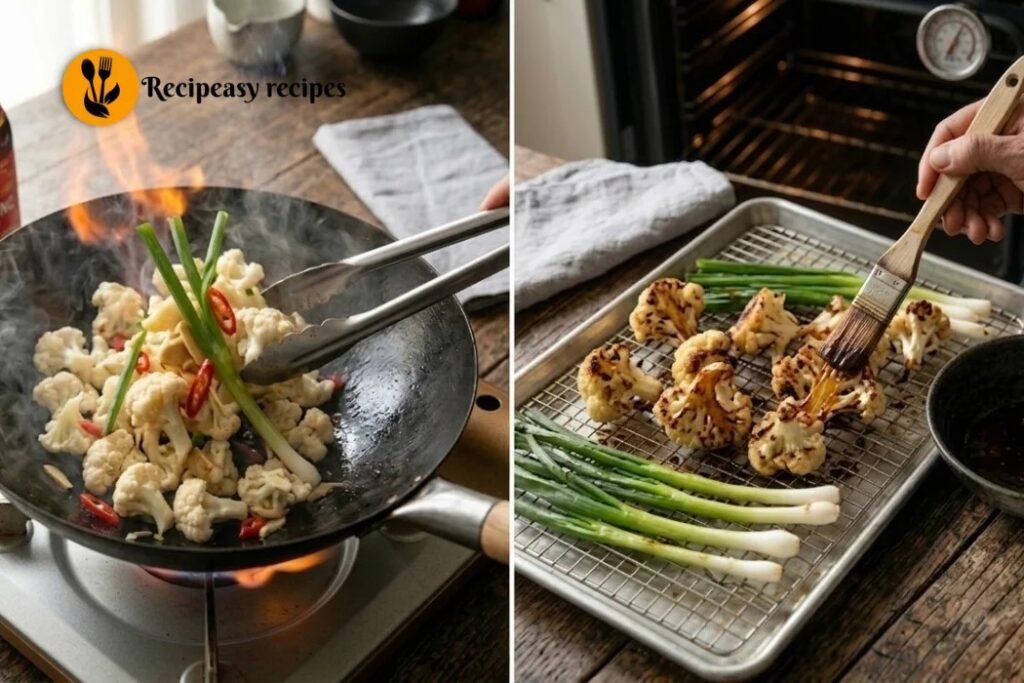
Toss the raw florets in oil, soy sauce, garlic, and a little sesame oil. Spread them out on a baking sheet – don’t pile them up. Roast at 425°F for about 25 minutes, flipping once halfway through.
What comes out is a Chinese roasted cauliflower with crispy edges, nutty flavor, and a slightly chewy texture. Totally different from the stir fry version but just as good.
Drizzle a little extra soy sauce and sesame oil over the top right before serving.
Make the Sauce Your Own
The base sauce here is what makes this a proper Chinese cauliflower stir fry. But it’s easy to adjust.
Want it sweeter? Add a little more sugar or a splash of rice vinegar for balance. Want deeper flavor? A small spoon of hoisin works well. Prefer less salt? Cut the soy sauce in half and use low-sodium.
Also, that garlic Chinese cauliflower flavor only comes through when the garlic actually has a second to sizzle in the oil. Don’t rush past that step. Thirty seconds in hot oil makes a big difference.
Serving Ideas
This dish goes best with:
- Steamed jasmine rice
- Fried rice
- Plain noodles tossed in a little sesame oil
- A simple egg or tofu dish on the side
Because this is already saucy and savory, pair it with something simple. Let the cauliflower be the star.
A Few Quick Tips
Dry the cauliflower after blanching. Wet florets steam instead of sear. A quick pat with a paper towel goes a long way.
Don’t crowd the pan. If your pan is small, cook in two batches. Crowding traps steam and you lose that nice caramelized edge.
Stir the sauce before pouring. The cornstarch always sinks. Give it a stir every time.
High heat matters. This is a stir fry. Medium heat will get it done, but high heat gives you better texture and color.
Ready to Cook?
This chinese cauliflower recipe is one of those dishes that’s hard to mess up. The flavors are bold, the steps are simple, and the whole thing comes together in under 30 minutes.
Whether you go stir fry, roasted, or spicy – it’s a vegetable dish that actually gets eaten.
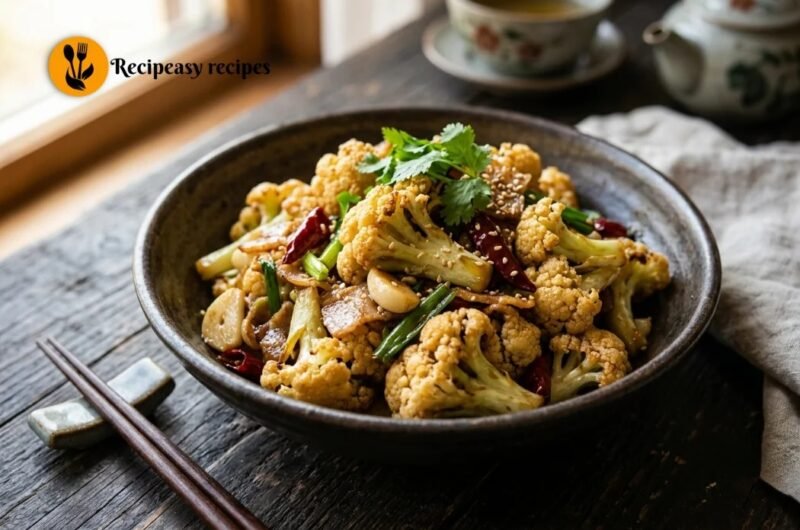
Chinese Cauliflower Recipe That Tastes Better Than Takeout
Course: Dinner / Side DishCuisine: Chinese-InspiredDifficulty: Easy4
servings15
minutes25
minutes170
kcalThis Chinese cauliflower recipe is a fast and flavorful dish made with crispy cauliflower florets tossed in a savory garlic soy sauce. You can make it as a quick stovetop stir fry or roast it in the oven for caramelized edges and deep flavor. Perfect as a side dish or easy vegetarian dinner.
Ingredients
For the Cauliflower
1 large head cauliflower, cut into florets
2 tablespoons neutral oil
Pinch of salt
½ teaspoon white pepper
For the Sauce
3 tablespoons soy sauce
1 tablespoon oyster sauce
1 tablespoon rice vinegar
1 teaspoon dark soy sauce (optional)
1 teaspoon sugar or honey
1 teaspoon cornstarch
2 tablespoons cold water
½ teaspoon chili garlic sauce
Aromatics
6 garlic cloves, minced
1 teaspoon fresh ginger, grated
Optional Add-Ins
1 teaspoon Sichuan peppercorns
2 to 3 dried red chilies
Roasted peanuts
Sesame seeds
Sliced scallions
Tofu cubes
Directions
- Step 1: Prep the Cauliflower
Wash and dry the cauliflower completely. Cut into evenly sized florets about 1½ to 2 inches wide.
Step 2: Make the Sauce
Whisk together soy sauce, oyster sauce, rice vinegar, dark soy sauce, sugar, chili garlic sauce, and the cornstarch slurry until smooth.
Stovetop Chinese Cauliflower Stir Fry Method
Step 3: Sear the Cauliflower
Heat a wok or skillet over high heat. Add oil and spread cauliflower in a single layer. Let it cook undisturbed for 2 minutes before stirring.
Step 4: Add Aromatics
Push cauliflower to the side. Add garlic and ginger to the center of the pan and cook for about 30 seconds until fragrant.
For spicy Sichuan cauliflower, add crushed Sichuan peppercorns and dried chilies here.
Step 5: Add Sauce
Pour in the sauce and toss everything together for 60 to 90 seconds until thickened and glossy.
Roasted Chinese Cauliflower Method
Step 3: Roast the Cauliflower
Preheat oven to 425°F. Toss cauliflower with oil, salt, and white pepper. Spread on a baking tray in a single layer.
Roast for 20 minutes, flip, then roast another 10 minutes.
Step 4: Glaze and Finish
Pour most of the sauce over the roasted cauliflower and toss well. Return to the oven for 5 more minutes until caramelized.
Serve with the remaining sauce drizzled on top.
Notes
- Sesame oil should be added after cooking, not during
- Cornstarch helps the sauce cling properly
- Do not overcrowd the pan or baking tray