Chinese Chicken Cabbage Stir Fry Recipe – Fast, Healthy
Some nights you just need dinner on the table in 30 minutes. No fuss, no long shopping list, nothing complicated.
This chinese chicken cabbage stir fry recipe is exactly that. Tender chicken, crunchy cabbage, and a savory garlic sauce that pulls it all together. It’s the kind of meal you can make on a weeknight and still feel good about.
And honestly? It tastes better than a lot of takeout.
Why This Dish Works So Well
Cabbage is one of those underrated stir-fry vegetables. It wilts just enough in the pan to get tender but still holds a little crunch if you don’t overcook it. That texture is what makes this dish so satisfying.
Pair it with marinated chicken and a simple soy-based sauce, and you’ve got a complete meal. It’s filling without being heavy. And it goes with rice, noodles, or honestly just on its own.
The chicken cabbage stir fry Chinese-style flavor comes from the layering – garlic in hot oil, savory sauces, a touch of sesame at the end. Each step adds something.
Pick the Right Cabbage
Not all cabbage is the same for stir-frying.
Sweetheart cabbage or Asian flat cabbage (sometimes called Taiwanese cabbage) are the best choices. They’re naturally a little sweet, cook quickly, and stay slightly crisp even after hitting a hot pan.
Napa cabbage also works beautifully. It’s more delicate and soaks up the sauce really well.
Green cabbage is fine too – just slice it thinner than you normally would, since it’s a bit tougher. And give it an extra minute in the pan.
Whatever you use, discard the thick outer leaves and cut out the tough white core. Slice or tear into roughly 2-inch pieces. Try to keep the pieces similar in size so everything cooks at the same rate.
The Ingredients
For the chicken marinade:
- 250g (about 9 oz) boneless chicken breast or thighs, sliced thin
- 2 teaspoons soy sauce
- 1 teaspoon cornstarch
- 1 teaspoon sesame oil
- ¼ teaspoon baking soda
For the stir fry:
- 300g (about 3 cups) cabbage, cut into 2-inch pieces
- 4 garlic cloves, minced
- 3 spring onions, white and green parts separated
- 2–3 tablespoons neutral cooking oil
- 1 teaspoon sesame oil (for finishing)
For the sauce:
- 1 tablespoon soy sauce
- 1 teaspoon dark soy sauce
- 1 tablespoon oyster sauce
- 1 teaspoon Shaoxing wine (or a splash of rice vinegar)
- 1 teaspoon cornstarch mixed with 2 tablespoons water (slurry)
That’s it. Nothing exotic. Most of these are probably already in your kitchen.
Marinate the Chicken First – It Matters
Before anything else, slice the chicken and mix it with the marinade ingredients. Even 15 minutes makes a real difference. The cornstarch and baking soda work together – the baking soda tenderizes the meat, and the cornstarch seals in moisture so it stays juicy when it hits the hot pan.
So while you’re prepping the cabbage and mixing the sauce, let the chicken sit. Don’t skip this step. It’s what makes this an easy Chinese chicken cabbage recipe that actually tastes restaurant-quality.
Making the Sauce
Mix the soy sauce, dark soy sauce, oyster sauce, and Shaoxing wine in a small bowl. In a separate bowl, mix the cornstarch with water and set both aside.
The dark soy sauce is mainly for color – it gives the dish that deep, glossy look. If you don’t have it, just use a little extra regular soy sauce. The flavor difference is subtle.
This Asian chicken cabbage stir fry sauce is savory, slightly rich, and just a little sweet. The garlic and sesame oil do the rest.
How to Cook It – Step by Step
Step 1 – Cook the cabbage first
Heat a tablespoon of oil in a large pan or wok over medium-high heat. Add the cabbage and toss it around for about 2 minutes. You want it slightly softened but still holding a bite.
Then remove it from the pan and set it aside. This is an important trick – cooking the cabbage separately keeps it from getting soggy later when the sauce goes in.
Step 2 – Sear the chicken
Add a little more oil to the same pan. Turn the heat up to high. Lay the chicken pieces in a single layer and let them sit for about a minute without touching – this gets a nice sear on the outside.
Flip the chicken. Add the minced garlic and the white parts of the spring onions. Stir everything together and cook until the chicken is about 80% done. It’ll finish cooking when the cabbage and sauce come back in.
Step 3 – Add the sauce
Pour in the soy sauce, dark soy sauce, oyster sauce, and Shaoxing wine. Stir quickly to coat the chicken.
Then toss the cabbage back into the pan. Give the cornstarch slurry a quick stir (it settles fast) and pour it in. Toss everything together for about a minute until the sauce thickens and everything looks glossy and coated.
Finally, drizzle the sesame oil over the top. Scatter the green parts of the spring onions on. Give it one last toss and take it off the heat.
That’s your garlic chicken cabbage stir fry recipe – done in under 30 minutes.
Keep It Healthy and Low Carb
This dish is already pretty lean as written. Chicken breast keeps it light on fat, and cabbage is low in calories but high in fiber and vitamins.
If you want a proper low carb Chinese chicken cabbage meal, just skip the rice and serve it straight from the pan. The sauce is rich enough that you don’t need anything on the side. Add a soft-boiled egg for extra protein and you’ve got a really solid meal.
Alternatively, serve it over cauliflower rice. It soaks up the sauce just as well as jasmine rice.
A Truly Quick Option for Busy Nights
If you’re really short on time, here’s the fastest version of this chicken and cabbage stir fry quick recipe:
Use pre-shredded coleslaw mix instead of a whole head of cabbage. It’s already cut, already washed, and cooks in about the same time. Add rotisserie chicken if you have some left over. Slice it thin, toss it in the marinade for a few minutes (it’s already cooked, so it just needs the flavor), and proceed with the recipe as normal.
Dinner in 20 minutes, no exaggeration.
What Makes This a Genuinely Healthy Stir Fry
A healthy chicken cabbage stir fry isn’t just about calories. It’s about real food, cooked simply. This dish has protein from the chicken, fiber and vitamins from the cabbage, and good fat from the sesame oil.
The sauce is soy-based, which means it’s naturally lower in fat than creamy alternatives. And because you’re cooking at high heat for a short time, the vegetables keep most of their nutrients instead of boiling away.
It’s a balanced plate without trying too hard. That’s the best kind.
Tips That Make a Real Difference
High heat is everything. A stir fry needs a really hot pan. If the heat is too low, the food steams instead of searing. You want a little char on the edges and a glossy sauce – that only happens with high heat.
Don’t crowd the pan. If your pan is small, cook the chicken in two batches. Crowding drops the temperature and you’ll end up with pale, steamed chicken instead of a proper sear.
Stir the slurry before adding it. Cornstarch always sinks to the bottom. Always stir it again right before pouring.
Add sesame oil at the end only. Heat destroys the flavor. A drizzle right before serving is all you need.
Taste before you serve. Every brand of soy sauce and oyster sauce is a little different in saltiness. Give it a quick taste and adjust if needed.
What to Serve It With
Steamed jasmine rice is the classic pairing – simple and perfect. But this also works really well over:
- Plain noodles tossed in a little sesame oil
- Fried rice
- Vermicelli rice noodles
- Cauliflower rice (for a lighter option)
Because the dish is already full of flavor, you don’t need much on the side. Keep it simple.
Storing Leftovers
Leftovers keep well in the fridge for up to 3 days in a sealed container. Reheat in a pan over medium heat with a splash of water to loosen the sauce. The microwave works too, though the cabbage softens a bit more.
Freezing is possible but the cabbage loses some texture after thawing. Best enjoyed fresh or within a couple of days.
Make It Your Own
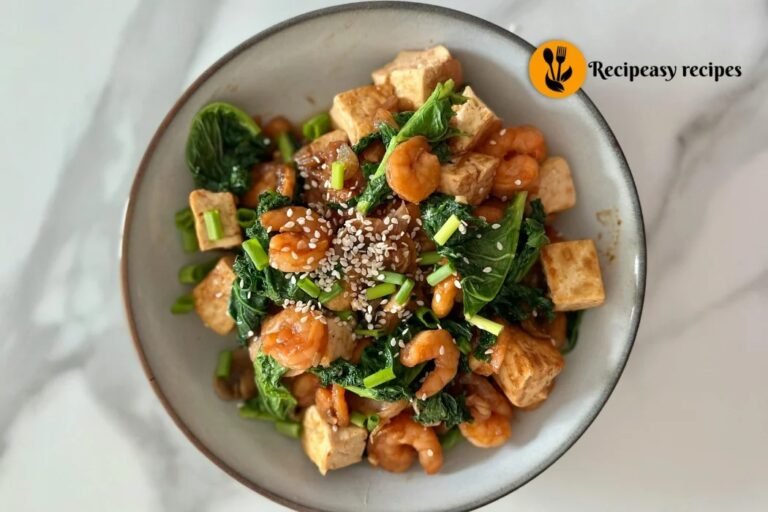
This recipe is easy to switch up. Swap the chicken for shrimp, thinly sliced beef, or firm tofu. Add a pinch of chili flakes for heat. Toss in some sliced mushrooms or bell pepper with the cabbage. Use vegetarian oyster sauce to make it fully plant-based.
The base stays the same – the sauce, the garlic, the method. Once you know how it works, you can make a hundred variations.
Ready to Cook?
This chinese chicken cabbage stir fry recipe is one of those dishes that earns a permanent spot in your weekly rotation. It’s fast, budget-friendly, and packed with real flavor. Beginner-friendly too – if you can slice a vegetable and heat a pan, you can make this.
Give it a try tonight. You might just be surprised how good simple can taste.
Chinese Chicken Cabbage Stir Fry Recipe: Easy 20-Minute Weeknight Meal
Course: MainCuisine: Chinese / Asian-inspiredDifficulty: Easy3
servings15
minutes10
minutes300
kcalTry this Chinese chicken cabbage stir fry recipe for a quick, healthy, and flavorful weeknight meal. Tender chicken, crisp cabbage, and a savory garlic sauce come together in just 20 minutes.
Ingredients
Main Ingredients
2 chicken thighs (sliced thin) chicken thighs
3–4 cups napa cabbage (or green cabbage) napa cabbage
4–5 garlic cloves (sliced)
2 tbsp neutral oil
1–2 scallions (optional)
Chicken Marinade
1 tbsp soy sauce
1 tsp cornstarch
1 tsp sesame oil
Optional: splash of Shaoxing wine
Stir Fry Sauce
1.5 tbsp soy sauce
1 tbsp oyster sauce
1 tsp rice vinegar
Pinch of sugar
Optional: chili garlic sauce
Directions
- Marinate Chicken: Mix sliced chicken with soy sauce, cornstarch, sesame oil, and optional Shaoxing wine. Rest for 10–15 minutes.
- Prepare Sauce: In a bowl, combine soy sauce, oyster sauce, rice vinegar, sugar, and optional chili garlic sauce.
- Heat the Pan: Heat wok or pan on high until very hot. Add neutral oil.
- Cook Garlic: Add sliced garlic and sauté for ~20 seconds until fragrant and lightly golden.
- Cook Chicken: Add chicken in a single layer. Let it sear briefly, then stir-fry until just cooked. Remove and set aside.
- Stir Fry Cabbage: Add cabbage to the same pan. Stir-fry on high heat for 1–2 minutes until wilted but still slightly crisp.
- Combine Everything: Return chicken to the pan. Pour in sauce and toss everything together for 1 minute until coated.
- Finish: Turn off heat, drizzle sesame oil, and top with scallions.
Notes
- Use high heat to avoid steaming
- Don’t overcrowd the pan
- Add sugar for balanced flavor (not sweetness)
- Chicken thighs stay juicier than breast
- Cook in batches for larger portions