Cottage Cheese Mac and Cheese
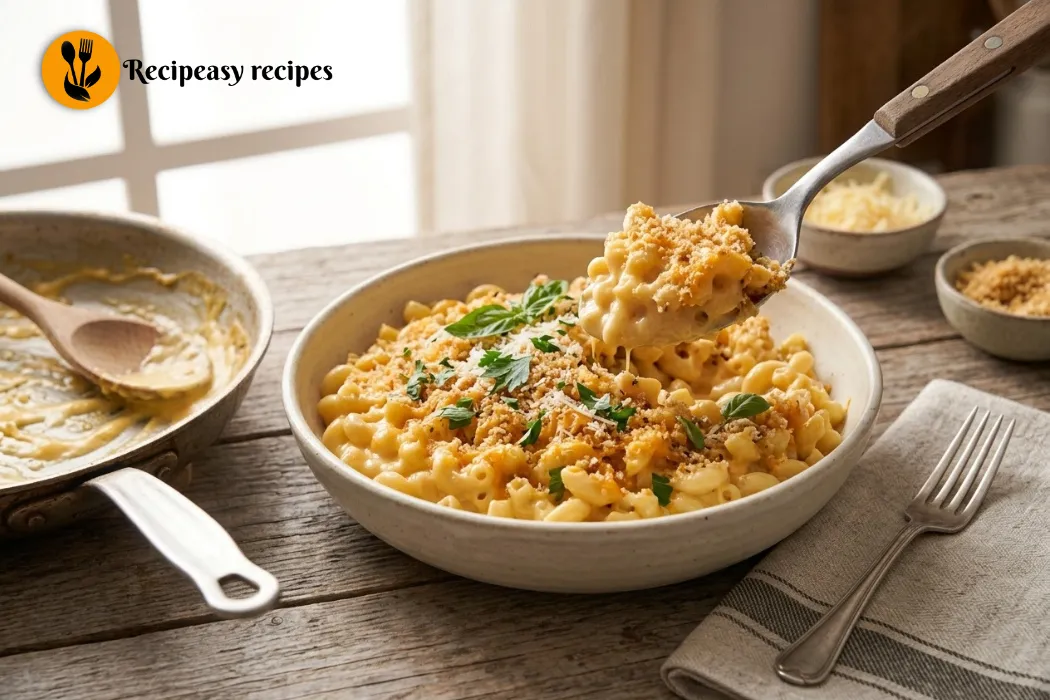
If you want a creamy, cheesy dinner with a little extra protein, try this Cottage Cheese Mac and Cheese. It tastes like classic comfort food, and it’s ready in about 25 minutes.
Because the cottage cheese blends into the sauce, you won’t see a single curd in the finished dish.
The Secret Is the Blender
Most people expect cottage cheese to taste strong or feel lumpy. But once it’s blended, it turns smooth and creamy. It acts like a mild, rich base for the sauce, so the cheddar and garlic do most of the flavor work.
Also, this is a simple way to use cottage cheese in mac and cheese without changing the taste much. The sauce still comes out cheesy, silky, and a little tangy, just like the version you grew up with.
Plus, mac and cheese with cottage cheese has more protein than a sauce made with just butter, flour, and milk. That makes it a good pick for hungry kids and busy weeknights.
What You’ll Need
Here’s everything for this recipe. It serves about 4.
- 8 ounces elbow macaroni
- 1 1/2 cups cottage cheese
- 1 cup shredded sharp cheddar cheese
- 1/4 cup grated parmesan cheese
- 1/2 cup milk
- 2 teaspoons cornstarch
- 1/2 teaspoon salt
- 1/4 teaspoon garlic powder
- 1/4 teaspoon onion powder
- 1/4 teaspoon paprika
- A pinch of mustard powder (optional)
- 1/2 cup pasta water, saved from cooking
Since the cottage cheese is the base, full-fat is best. It blends the smoothest and gives the richest sauce. Low-fat can work, but the sauce may be a little thinner.
Also, shred your own cheddar if you can. Pre-shredded cheese has a coating that can keep the sauce from melting smoothly.
How to Make Cottage Cheese Mac and Cheese
This cottage cheese mac and cheese recipe takes just a few steps. Here’s how it goes.
Step 1: Cook the pasta.
Boil the macaroni in salted water until it’s just tender. Before draining, scoop out 1/2 cup of the pasta water and set it aside. Then drain the pasta.
Step 2: Blend the sauce.
While the pasta cooks, add the cottage cheese, cheddar, parmesan, milk, cornstarch, salt, garlic powder, onion powder, paprika, and mustard powder to a blender.
Step 3: Blend until smooth.
Blend on high for 30 to 60 seconds. The mixture should look thick, creamy, and completely smooth. Scrape down the sides and blend again if you see any bumps.
Step 4: Heat the sauce.
Pour the sauce into a large saucepan over medium-low heat. Stir often for 4 to 6 minutes, until it’s hot and slightly thickened. Don’t let it boil hard.
Step 5: Add the pasta.
Stir the cooked macaroni into the sauce. Mix until every piece is coated.
Step 6: Adjust the texture.
If the sauce looks too thick, add a splash of the pasta water. Keep stirring until it looks creamy and glossy.
Step 7: Serve.
Taste and add more salt if needed. Then serve right away while it’s hot.
Tips for the Creamiest Sauce
Since a grainy sauce is the main thing that can go wrong, blend for the full time. Small curds that stay behind can show up in the finished dish.
Also, keep the heat low. If the sauce gets too hot, the cheese can turn oily or clump. Gentle heat and steady stirring keep it smooth.
For the best texture, don’t skip the cornstarch. It helps hold the sauce together, so it stays creamy instead of separating.
Additionally, save that pasta water. It’s starchy, so it thins the sauce without making it watery. It also helps the sauce cling to the noodles.
Finally, serve it soon after cooking. Like most cheese sauces, it thickens as it sits. A splash of milk brings it right back.
Baked Version
If you love a golden, crispy top, try baked mac and cheese with cottage cheese. It takes just a few extra steps.
First, make the sauce and stir in the pasta as written. Then spoon the mixture into a greased 8×8 inch baking dish. Sprinkle 1/2 cup extra shredded cheddar over the top. For a crunchy topping, add 1/4 cup breadcrumbs mixed with a teaspoon of melted butter.
Bake at 375°F for 15 to 20 minutes, until the top is golden and the edges are bubbly. Let it rest for 5 minutes before serving.
Since the pasta keeps soaking up sauce in the oven, make the sauce a little looser than usual. An extra splash of milk or pasta water helps keep the baked version creamy.
Easy Variations to Try
This recipe is a great base. Here are some ways to switch it up.
- Veggie boost: Stir in steamed broccoli, peas, or chopped spinach at the end.
- Spicy: Add a pinch of cayenne or a spoonful of diced green chiles.
- Bacon: Top with crispy, crumbled bacon.
- Extra cheesy: Swap half the cheddar for gouda, Monterey Jack, or mozzarella.
- Smoky: Add a pinch of smoked paprika.
- Pasta swap: Use shells, cavatappi, or rotini. These shapes catch lots of sauce.
For a lighter dinner, try whole wheat or chickpea pasta. Just keep in mind that these cook a little differently, so watch the timing.
If you’re building a high protein mac and cheese recipe for the whole family, try adding shredded rotisserie chicken or diced ham. Each one makes the dish more filling.
What to Serve With It
This dish is rich, so lighter sides work best. Here are some good ideas.
- A crisp green salad with lemon dressing
- Roasted broccoli or green beans
- Steamed or sautéed veggies
- Sliced apples or fresh fruit
- Grilled chicken or sausages
For a cozy dinner, pair it with a simple tomato soup.
Storing and Reheating
Let the mac and cheese cool, then store it in an airtight container in the fridge for up to 3 days.
To reheat, add a splash of milk and warm it in a saucepan over low heat, stirring often. You can also use the microwave. Heat in 30-second bursts, and stir in between.
Since the sauce thickens in the fridge, the milk is important. It brings back the creamy texture.
I don’t recommend freezing it. Freezing can change the texture of the cottage cheese, and the sauce may turn watery or grainy once thawed.
Common Questions
Will it taste like cottage cheese?
Not really. Once blended and mixed with cheddar and seasonings, the flavor is mild, cheesy, and creamy. Some people notice a slight tang, but most don’t.
Why is my sauce grainy?
This usually means the cottage cheese wasn’t blended long enough, or the sauce got too hot. Blend until it’s silky, and keep the heat low.
Can I skip the blender?
A food processor or an immersion blender works well. Stirring the cottage cheese by hand won’t break down the curds, so the sauce won’t be smooth.
Can I use low-fat or fat-free cottage cheese?
Yes, but full-fat gives the creamiest results. Lower-fat versions can make the sauce thinner.
Why did my sauce separate?
Heat that’s too high is the usual cause. Turn the heat down, stir, and add a splash of milk. The cornstarch also helps prevent separation.
Can I make it ahead?
You can blend the sauce up to 2 days ahead and keep it in the fridge. Then warm it and toss it with fresh pasta when you’re ready to eat.
Is it kid-friendly?
Yes. The sauce is mild and cheesy, so it tends to go over well with kids. Start with the basic version before adding extras.
Can I use a different cheese?
Yes. Sharp cheddar gives the best flavor, but gouda, jack, or a mix of cheeses also work.
Final Thoughts
At the end of the day, this Cottage Cheese Mac and Cheese proves that a favorite comfort food can be creamy, cheesy, and a bit more filling. It’s quick, easy to customize, and it comes together with a simple blender sauce. So the next time you want a cozy dinner, give this one a try.