8 Bold Filipino Recipes That Deserve a Place on Your Table
Filipino food brings together savory, sweet, tangy, and sometimes spicy flavors in ways that make every meal memorable. From stir-fried noodles and crispy spring rolls to refreshing desserts and traditional street food, Filipino cuisine offers something for curious food lovers and adventurous home cooks alike.
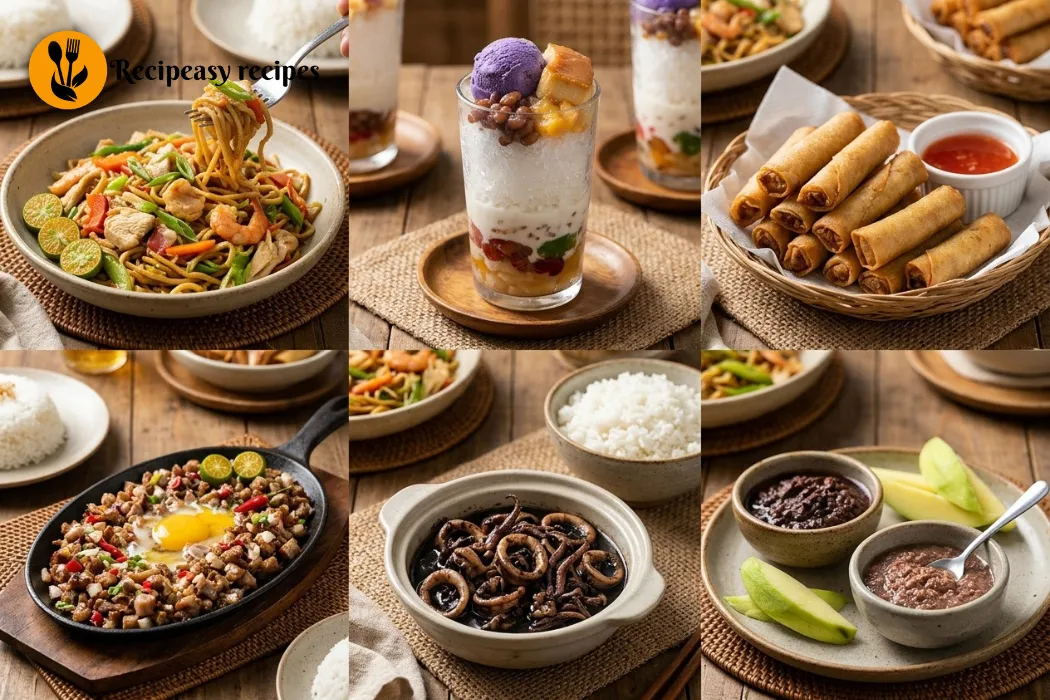
If you’re looking to explore Filipino recipes, this list is a great place to start. These eight dishes highlight different parts of Filipino food culture, including everyday favorites, party snacks, traditional condiments, and a colorful dessert. Some are easy to prepare at home, while others introduce ingredients and cooking traditions you may not have tried before.
Whether you’re new to Filipino cuisine or already enjoy its rich flavors, these dishes are worth discovering.
1. Pancit Canton: Savory Filipino Stir-Fried Noodles
Prep and Cook Time: Approximately 30–35 minutes
Difficulty: Easy to Moderate
Pancit Canton is a popular Filipino noodle dish made with wheat noodles, vegetables, and a savory sauce. Depending on the recipe, it may also include chicken, shrimp, or pork. The result is a satisfying meal with tender noodles, colorful vegetables, and plenty of flavor.
People often serve this dish at birthdays and family celebrations. In Filipino culture, long noodles are associated with long life, making Pancit Canton a meaningful addition to special occasions. However, you don’t need a celebration to enjoy it. It also works well as a quick lunch or weeknight dinner.
One of the best things about Pancit Canton is its flexibility. You can adjust the vegetables and protein to suit your preferences. Soy sauce and other seasonings give the noodles their savory taste, while a squeeze of calamansi or lemon can add a fresh, tangy finish.
Serve Pancit Canton on its own or alongside crispy spring rolls for a more complete Filipino-inspired meal.
Want to make it at home?
2. Halo-Halo: A Colorful Filipino Shaved Ice Dessert
Prep Time: Approximately 20 minutes
Difficulty: Easy
Halo-Halo is one of the most recognizable Filipino desserts. Its name means roughly “mix-mix” in Tagalog, which describes how the ingredients are combined before eating.
This refreshing dessert starts with shaved or crushed ice and milk. It is layered with a colorful mixture of sweet ingredients, which may include beans, fruit, coconut gel, sweetened palm fruit, and purple yam jam. Some versions also feature leche flan or a scoop of ice cream.
What makes Halo-Halo special is its variety of textures. Every spoonful can bring together creamy, chewy, soft, and crunchy ingredients. The combination creates a dessert that is both refreshing and satisfying, especially on a warm day.
There isn’t just one way to prepare Halo-Halo. Ingredients vary between households and restaurants, so you can customize the toppings according to your taste and availability.
For the best results, assemble the dessert just before serving. Add the ice and milk, arrange your favorite toppings, and finish with a scoop of ice cream if desired.
Ready for a sweet treat?
Get the Halo-Halo Filipino Shaved Ice Dessert Recipe
3. Lumpia Shanghai: Crispy Filipino Spring Rolls
Prep and Cook Time: Approximately 1 hour
Difficulty: Moderate
Lumpia Shanghai is a Filipino favorite known for its thin wrapper, savory filling, and crispy golden exterior. These small spring rolls are commonly filled with seasoned ground meat, garlic, onions, and finely chopped vegetables before being rolled and fried.
Unlike larger spring rolls, Lumpia Shanghai is usually made in a slender shape. Its small size makes it easy to serve as an appetizer or party snack. It is especially popular at birthdays, holidays, family gatherings, and other celebrations.
The secret to delicious Lumpia Shanghai is a well-seasoned filling and a tightly sealed wrapper. Frying the rolls in properly heated oil helps them develop a crisp exterior while the filling cooks through.
Lumpia Shanghai also works well for meal preparation. You can assemble the rolls ahead of time and freeze them before cooking, provided you follow safe food-handling practices.
Serve the rolls hot with a sweet-and-sour dipping sauce or another sauce of your choice. They pair particularly well with Pancit Canton and other Filipino dishes.
Want a crunchy appetizer?
Get the Lumpia Shanghai Recipe
4. Sisig: A Sizzling Filipino Specialty
Prep and Cook Time: Approximately 1 hour 30 minutes
Difficulty: Moderate
Sisig is a flavorful Filipino dish traditionally associated with Pampanga, a region known for its rich culinary traditions. Many popular versions use chopped pork seasoned with onions, chili, and calamansi juice. The meat is often cooked until it develops a smoky, slightly crisp texture.
One of the defining features of sisig is its balance of flavors. The savory richness of the meat contrasts with the sharp, citrusy taste of calamansi. Onions add freshness, while chili brings heat for those who enjoy a little spice.
Sisig is often served on a sizzling plate, although the presentation and ingredients vary between recipes. Some modern versions include mayonnaise or an egg on top, while others stay closer to more traditional preparations.
This dish is a great option for people who enjoy bold, savory food. Its combination of smoky meat, tangy citrus, and aromatic seasonings makes it stand out from more familiar pork dishes.
For a complete meal, serve sisig with steamed white rice. You can also offer extra calamansi or lime on the side for anyone who prefers a brighter citrus flavor.
Curious about this Filipino classic?
5. Adobong Pusit: Filipino Squid in a Savory Adobo Sauce
Prep and Cook Time: Approximately 25–35 minutes
Difficulty: Moderate
Adobong Pusit is a Filipino squid dish prepared with flavors commonly associated with adobo, including vinegar, soy sauce, garlic, and black pepper. The squid is cooked in a savory, tangy sauce that makes this dish especially appealing to seafood lovers.
Filipino adobo is known for its combination of savory and acidic flavors. Although chicken and pork are familiar choices, seafood can also be prepared using an adobo-style cooking method.
Adobong Pusit offers a different experience because squid has a delicate texture and absorbs the surrounding flavors quickly. The key is to avoid overcooking it, as squid can become tough and rubbery when cooked for too long.
Fresh garlic and onions help build the flavor of the sauce, while vinegar provides its characteristic tang. Depending on the recipe, additional ingredients or seasonings may be used to adjust the taste.
This dish is best served hot with steamed rice, allowing you to enjoy the flavorful sauce with every bite.
Love seafood with bold flavors?
6. Balut: A Traditional Filipino Street Food
Preparation and Cooking Time: Depends on the eggs and preparation method
Difficulty: Moderate
Balut is a traditional Filipino street food made from a fertilized duck egg that has been incubated until the developing embryo has reached a particular stage. The egg is then cooked and eaten from its shell.
Although balut may be unfamiliar to many people outside Southeast Asia, it has a recognized place in Filipino food culture. It is commonly associated with street vendors and evening snacks, and it is often eaten with salt, vinegar, or chili seasoning.
The texture and flavor depend partly on the egg’s stage of development. This makes balut different from an ordinary boiled egg and explains why it may be an unfamiliar experience for first-time tasters.
Preparing balut at home requires more care than simply boiling a regular egg. The eggs must come from a reliable source, and incubation, storage, and cooking need to follow appropriate food-safety practices. Beginners may prefer to purchase properly prepared balut from a reputable supplier.
Balut is not for everyone, but understanding its place in Filipino cuisine offers a broader look at the country’s diverse food traditions.
Want to learn more about this traditional food?
7. Bagoong: A Traditional Filipino Fermented Condiment
Preparation Time: Varies by type
Fermentation Time: Several weeks or longer
Difficulty: Moderate to Advanced for homemade fermentation
Bagoong is a traditional Filipino condiment made by fermenting seafood with salt. Depending on the variety, it may be prepared from fish or shrimp. It is known for its strong aroma, salty taste, and deep umami flavor.
Although bagoong is not usually served as a main dish, it plays an important role in Filipino cooking. A small amount can add depth to sauces, vegetable dishes, and other traditional meals.
Different varieties have different uses. Shrimp-based bagoong is often associated with dishes such as kare-kare, while other versions may be served with green mangoes or incorporated into cooked preparations.
Because bagoong is fermented, making it from scratch requires particular attention to food safety. Proper ingredient handling, salt proportions, fermentation conditions, and storage are essential. Beginners may prefer to start with commercially prepared bagoong and use it in a traditional Filipino recipe.
Its distinctive flavor may take some getting used to, but it helps explain why fermented condiments are valued in many Southeast Asian cuisines.
Interested in this traditional Filipino ingredient?
8. Ampalaya: Filipino Bitter Melon With Savory Flavors
Prep and Cook Time: Approximately 25–30 minutes
Difficulty: Easy
Ampalaya, also known as bitter melon or bitter gourd, is a vegetable used in several Filipino dishes. It has a distinctive bitter taste, which makes it an interesting ingredient for anyone looking to explore vegetables beyond the usual choices.
One popular preparation combines sliced ampalaya with garlic, onions, and tomatoes. Eggs may be added for a simple home-style dish, while other versions include ground pork or beef. The exact ingredients depend on the recipe and household preferences.
The main challenge when cooking ampalaya is balancing its bitterness with the other flavors. Some cooks soak the sliced vegetable in salted water before cooking, although this step is optional and does not remove all the bitterness.
When prepared with aromatic ingredients and well-balanced seasoning, ampalaya can make a satisfying side dish or light meal. Its distinctive taste also adds variety to a table filled with richer or more familiar foods.
Serve Filipino-style ampalaya with steamed rice for a simple meal. If you are trying bitter melon for the first time, start with a smaller portion to see how you enjoy its flavor.
Ready to try this Filipino vegetable dish?
Final Thoughts:
Filipino cuisine offers much more than one signature dish. It brings together savory noodles, crispy appetizers, tangy seafood, colorful desserts, traditional street foods, and distinctive ingredients that reflect the country’s diverse culinary traditions.
These eight Filipino recipes provide a starting point for exploring those flavors at home. If you’re new to this cuisine, Pancit Canton and Lumpia Shanghai are approachable places to begin. If you prefer something sweet, Halo-Halo offers a refreshing combination of textures and toppings. More adventurous eaters may want to explore sisig, Adobong Pusit, balut, or bagoong.
You don’t have to prepare all eight dishes at once. Choose one that matches your taste, gather the ingredients, and explore a new part of Filipino cooking.