Bicol Express Recipe: Spicy Filipino Pork in Coconut Sauce
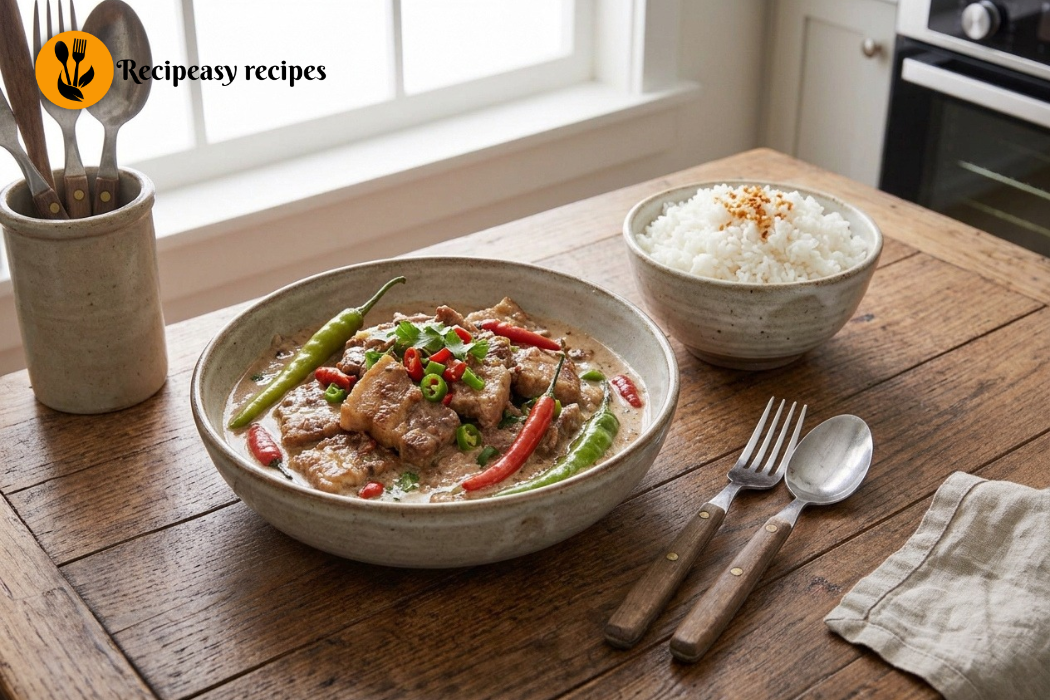
Craving a rich, spicy pork dish to serve with steamed rice? This Bicol Express recipe combines tender pork belly, coconut milk, savory bagoong, and fresh chilies in a flavorful sauce. Coconut cream adds richness, while the chilies let you adjust the heat to suit your taste.
The key to a good result is cooking the pork until tender before finishing the sauce. Since bagoong varies in saltiness, start with a small amount and adjust the seasoning near the end.
What Is Bicol Express?
Bicol Express is a Filipino dish made with pork, coconut milk, chilies, and bagoong alamang, a fermented shrimp paste. It is associated with the Bicol region of the Philippines, where coconut-based dishes and spicy chilies are popular.
People commonly use pork belly because its fat adds flavor and richness. The dish is usually served with steamed white rice, which pairs well with its spicy, savory sauce.
How to Make Bicol Express at Home
This version uses browned pork belly, aromatics, coconut milk, and two types of chilies. The pork simmers until tender before coconut cream is added to thicken the sauce. The recipe makes approximately 4–6 servings, depending on portion size and how much rice you serve.
Ingredients for Bicol Express
Gather and prepare the ingredients before cooking. Start with a small amount of shrimp paste and add more only after tasting the finished sauce.
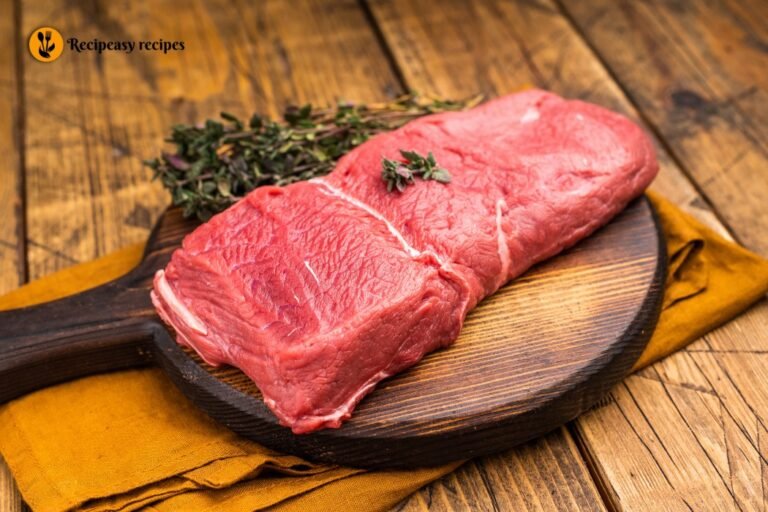
- 2 pounds (900 g) pork belly: Cut into roughly 1-inch pieces.
- 1 tablespoon neutral cooking oil, optional: Use if the pork starts sticking before releasing enough fat.
- 1 medium onion: Chopped.
- 6 garlic cloves: Minced.
- 1-inch piece fresh ginger: Finely chopped or minced.
- 1–2 tablespoons bagoong alamang: Start with 1 tablespoon and add more to taste.
- 2 cups (480 ml) coconut milk: Forms the main cooking liquid.
- 1 cup (240 ml) water: Helps keep the liquid from reducing too quickly while the pork cooks.
- 1 cup (240 ml) coconut cream: Adds richness and helps thicken the sauce.
- 6 long green chilies (siling haba): Sliced into short pieces.
- 3–5 Thai bird’s-eye chilies, optional: Add for extra heat, or use fewer for a milder dish.
- ½ teaspoon ground black pepper: Adds mild warmth.
- Salt, only if needed: Taste the finished sauce before adding any.
Ingredient note: Long green chilies add fresh pepper flavor, while bird’s-eye chilies bring more heat. If you are unsure how spicy your chilies are, start with fewer hot chilies.
Step-by-Step Instructions
Follow these steps to brown the pork, build flavor with the aromatics, and simmer the meat until tender. Finish the sauce over low heat so it thickens without boiling vigorously.
1. Prepare the Ingredients
Cut the pork belly into approximately 1-inch pieces. Chop the onion, mince the garlic and ginger, and slice the chilies. Keep the bird’s-eye chilies separate if you want to control the heat more carefully.
Measure the remaining ingredients before cooking so everything is ready when needed.
2. Brown the Pork Belly
Place a large, heavy-bottomed pot over medium heat. Add the pork belly in a single layer, working in batches if necessary.
Cook for about 8–10 minutes, turning the pieces occasionally, until some fat has rendered and the pork is lightly browned. If the meat starts sticking before releasing enough fat, add the optional cooking oil.
Avoid overcrowding the pot, as this can cause the pork to steam instead of brown. Return all the pork to the pot before continuing.
3. Cook the Aromatics
Add the chopped onion and cook for 2–3 minutes, stirring until it begins to soften.
Add the garlic and ginger. Cook for another 30–60 seconds, stirring frequently until fragrant. Keep the heat moderate to prevent the garlic from burning.
4. Add the Bagoong
Stir in 1 tablespoon of bagoong alamang, coating the pork and aromatics. Cook for 1–2 minutes.
Set the remaining tablespoon aside for later. This lets you adjust the savory flavor after the sauce has cooked.
5. Simmer the Pork in Coconut Milk
Pour in the coconut milk and water. Stir well, scraping up any browned bits from the bottom of the pot.
Bring the liquid to a gentle simmer, then reduce the heat to low and cover the pot. Cook for approximately 45–60 minutes, stirring occasionally.
Check the pork as it cooks. It should be easy to bite through rather than tough or chewy. If the liquid reduces too much before the meat is tender, add a little water and continue simmering. If the pork is still firm after 60 minutes, give it more time.
6. Add the Chilies and Coconut Cream
Once the pork is tender, stir in the sliced long green chilies and bird’s-eye chilies, if using. Add the coconut cream and mix gently.
Simmer uncovered over low heat for another 10–15 minutes, stirring regularly as the sauce thickens. Avoid a vigorous boil, which can cause the coconut sauce to separate.
7. Adjust the Seasoning and Finish
Stir in the black pepper and taste the sauce. Add the reserved bagoong a little at a time if it needs more savory flavor. Add salt only if necessary.
If the sauce is too thick, stir in a small splash of water. If it is too thin, continue simmering uncovered for a few minutes.
Serve hot with steamed white rice once the pork is tender and the sauce coats the pieces.
Bicoll Express Recipe Tips
A few small adjustments can help you manage the texture, flavor, and heat of the finished dish without adding unnecessary steps.
- Cut the pork evenly: Similar-sized pieces cook more consistently.
- Keep the simmer gentle: Low heat helps the pork become tender without boiling the coconut sauce vigorously.
- Season gradually: Bagoong can be salty, so taste before adding the remaining amount or any salt.
- Thicken the sauce at the end: Wait until the pork is tender before reducing the sauce uncovered.
- Adjust the chili heat: Reduce or omit the bird’s-eye chilies for a milder dish.
What to Serve With Bicol Express
The rich coconut sauce pairs well with simple sides that balance the meal without competing with its spicy flavor.
Steamed White Rice: The classic accompaniment absorbs the sauce and makes the dish easy to enjoy.
Sinigang: This tangy Filipino soup provides a contrasting flavor alongside the rich pork.
Chop Suey: A vegetable dish adds color, texture, and variety to the meal.
For an easy dinner, steamed rice and a vegetable side are enough.
How to Store and Reheat Bicol Express
Store leftovers promptly to help keep them safe to eat. When reheating, use gentle heat and add a little water if the coconut sauce has thickened in the refrigerator.
Storing Leftovers
Transfer leftovers to shallow, airtight containers and refrigerate within two hours of cooking, or within one hour if the surrounding temperature is above 90°F (32°C).
Keep the dish refrigerated at 40°F (4°C) or below and eat it within 3–4 days. For longer storage, freeze it in a suitable airtight container.
Reheating
The stovetop is a practical way to warm leftovers while keeping the sauce from becoming too thick.
- Transfer the desired portion to a saucepan over low to medium-low heat.
- Add a small splash of water if the sauce has thickened.
- Stir occasionally until the pork and sauce are heated evenly.
- Use a food thermometer to confirm the leftovers reach 165°F (74°C) throughout before serving.
Avoid prolonged, vigorous boiling. Gentle heating and regular stirring help warm the dish evenly.
Frequently Asked Questions
What cut of pork is best for Bicol Express?
Pork belly is a popular choice because its fat adds richness and flavor to the sauce. Pork shoulder can also work, although its texture and cooking time may differ.
Is Bicol Express very spicy?
It can be quite spicy, depending on the chilies used. For a milder version, reduce or omit the bird’s-eye chilies and use fewer long green chilies.
What does bagoong add to the dish?
Bagoong alamang is fermented shrimp paste that gives the sauce a distinctive salty, savory flavor. Because its saltiness varies by brand, start with less and adjust after cooking.
Why is my coconut sauce too thin?
The sauce may need more time to reduce. Once the pork is tender, simmer it uncovered over low heat, stirring regularly, until it thickens. Avoid raising the heat too much, as the sauce may separate.
How do I know when the pork is tender?
The pork should be easy to bite through rather than tough or chewy. If it remains firm, continue simmering gently before finishing the sauce.
Can I freeze Bicol Express?
Yes. Transfer the leftovers to a freezer-safe, airtight container and freeze promptly. Thaw in the refrigerator and reheat to 165°F (74°C) throughout before serving.
Final Verdict
This Bicol Express recipe is a good choice for anyone who enjoys spicy Filipino food and wants a satisfying homemade meal without complicated cooking techniques. The best part is that you can control both the heat and saltiness by adjusting the chilies and bagoong to your taste. For the best texture, let the pork simmer until tender before adding the coconut cream, then allow the sauce to thicken gently. Serve it with steamed rice for a complete meal that is easy to enjoy and share.