
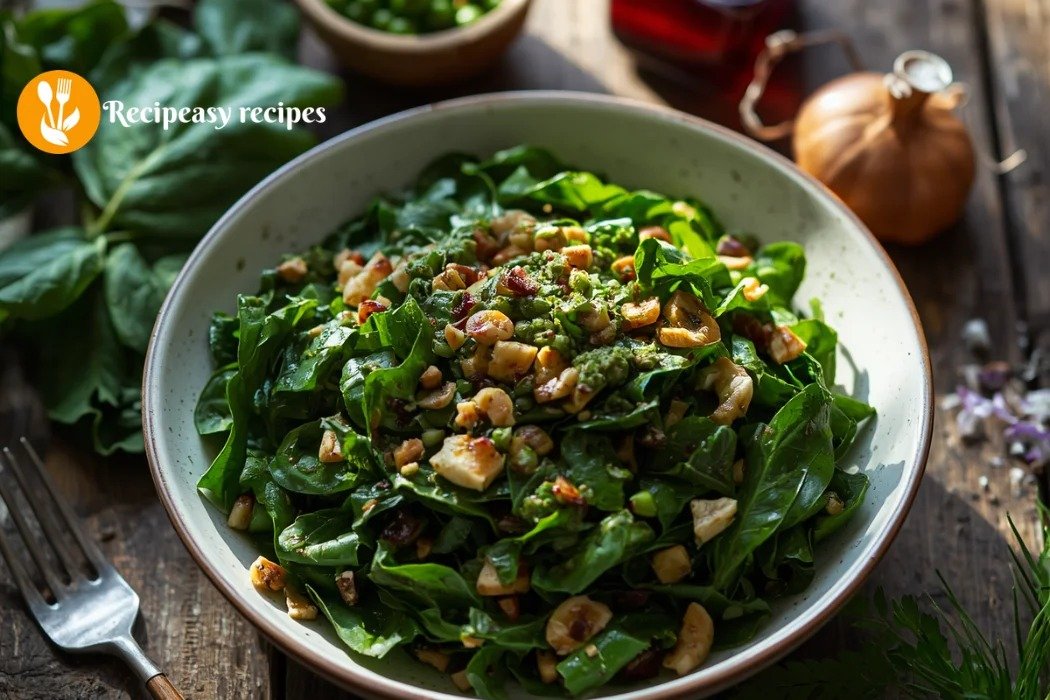
Bitter Is Better — My Favorite Chicory Greens Recipe That Took Me Three Tries to Get Right
I didn’t grow up eating chicory. It wasn’t on the table in my house, and the first time I bought a bunch at the farmers market, I had absolutely no plan. I just liked how the leaves looked a little wild, slightly purple at the stem, with that waxy toughness that felt like it could handle real heat. What I didn’t know yet was how to tame the bitterness, or when to lean into it.
That first attempt was not great. The second one was better. The third time I finally understood what chicory actually wants, and now this has become one of my most-made weeknight sides. It’s a chicory greens recipe I come back to constantly, especially in winter when I want something that feels substantial but not heavy.
Let Me Tell You About the Bitterness First
Because if you’ve cooked chicory before and gave up, it was probably a bitterness problem. And if you haven’t cooked it yet and you’re nervous, this is the thing worth understanding before anything else.
Chicory is bitter. That’s not a flaw it’s the whole point. But raw chicory and cooked chicory are almost two different ingredients. Raw, it’s sharp and aggressive. Cooked in a hot pan with oil and garlic, it mellows into something almost nutty, with just enough bitterness left to make the dish interesting. Also, a small squeeze of lemon at the end and a pinch of red pepper flakes completely transform it.
My mistake in that first batch was treating chicory like spinach a quick wilt and done. It needs more time than that. A good five to seven minutes in the pan, stirring occasionally, allows the leaves to soften properly and the bitterness to cook down without disappearing entirely.
What You Actually Need
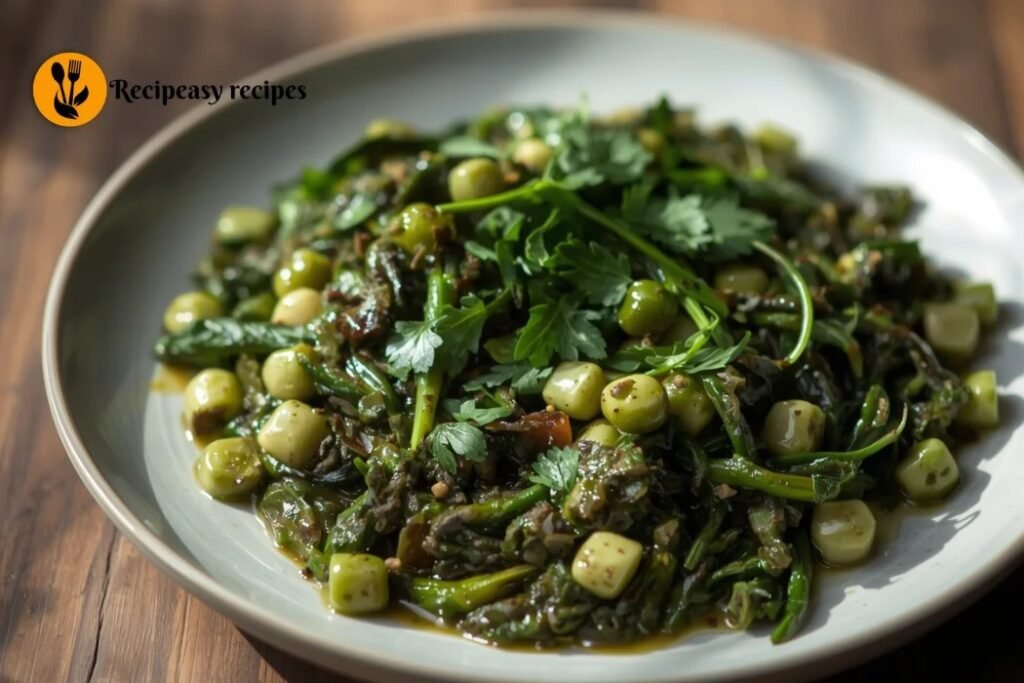
The green ingredients here are simple, and that’s what makes this work. One large bunch of chicory (radicchio, Belgian endive, or curly endive all work I usually use curly endive because it’s easiest to find), four or five garlic cloves, good olive oil, salt, a lemon, and red pepper flakes. That’s it. No complicated additions, no long shopping list.
However, if you want to take it slightly further, a handful of white beans stirred in at the end turns this into a full meal rather than a side dish. I started doing that after noticing I was eating this straight from the pan and not actually pairing it with anything. The beans add creaminess and protein, and they soak up the garlicky oil in the best possible way.
The Cooking Part, As It Actually Happens
Start by washing the chicory well and roughly chopping it. The pieces don’t need to be uniform some bigger, some smaller is fine. It’s a rustic dish and it should look like one.
Heat a wide pan over medium-high heat and add a generous pour of olive oil. More than you think. Chicory is a thirsty green and it absorbs oil as it cooks, so if you go light here, you’ll end up with something that tastes dry and slightly dusty. I learned this the second time around when I was being cautious about oil and wondered why it felt off.
Once the oil is hot, add the garlic sliced, not minced. Sliced garlic gives you more control. It softens and turns golden without burning as quickly as minced garlic does, and you get those little golden pieces throughout the finished dish that taste amazing.
Then add the chicory all at once. It’ll look like too much for the pan. Don’t worry it cooks down dramatically within a couple of minutes. Season with salt right away, which helps it release moisture and wilt faster. Stir everything together and then mostly leave it alone, giving it a toss every minute or two.
After about six minutes, taste it. At this point it should be tender but not mushy, with a little bite still left in the thicker stems. That texture contrast is part of what makes it good. If the stems still feel too firm for your preference, give it another minute or two with a small splash of water in the pan.
Pull it off the heat, squeeze half a lemon over everything, add a pinch of red pepper flakes, and taste once more for salt.
The Smell When It’s Almost Ready
There’s a moment about five minutes in where the kitchen smells like garlic and something slightly smoky and green all at once. That’s when you know it’s close. The leaves have darkened and shrunken, the garlic has gone golden at the edges, and the whole pan looks much more manageable than it did at the start.
This is also when I usually steal a piece to taste, burn my tongue slightly, and then do it again anyway. Old habit.
How to make this feel more like a complete dish rather than just a side: spoon it over crusty bread that’s been rubbed with a cut garlic clove, or serve it alongside fried eggs for breakfast. Both are excellent options. The bitterness plays off the richness of an egg yolk in a way that feels almost deliberate, like someone planned it. Someone probably did. I just stumbled into it.
One more thing worth mentioning this reheats beautifully. I’ve had it cold the next day straight from the fridge on toast and it was genuinely good. Also, if you have leftovers, toss them into pasta with a bit of pasta water and parmesan. That’s a whole separate meal and also one of the best quick dinners I know.
Chicory is one of those vegetables that rewards a little patience and curiosity. Once you understand how it behaves in heat and what it pairs well with, it stops feeling intimidating and starts feeling like a reliable, flavorful option you can pull out whenever you need something real and satisfying on the table fast.
Conclusion
This chicory greens recipe is genuinely easy once you’ve done it once, and probably even easier the second time. The bitterness is the feature, not the problem and the sooner you embrace that, the more you’ll enjoy cooking with it.
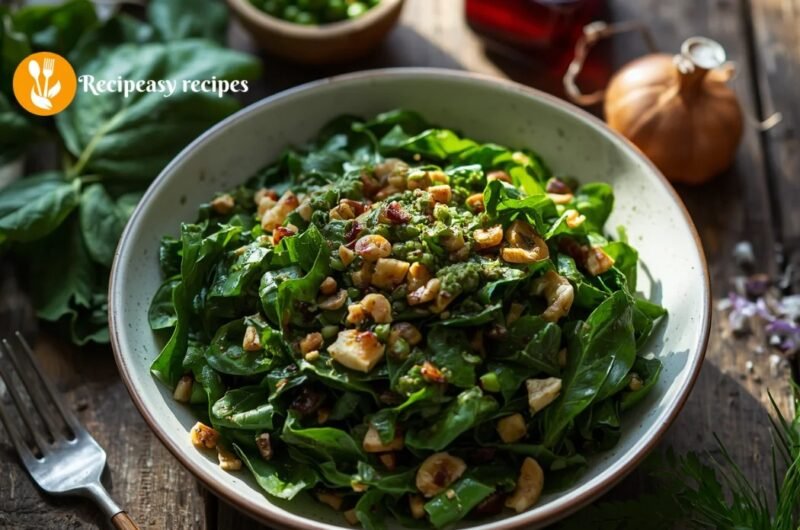
Bitter Is Better — My Favorite Chicory Greens Recipe That Took Me Three Tries to Get Right
Course: Side Dish / Vegetable DishCuisine: Mediterranean / European Home CookingDifficulty: easy4
servings30
minutes40
minutes300
kcalIngredients
1 large bunch chicory (curly endive / radicchio / Belgian endive)
4–5 garlic cloves (sliced)
3–4 tbsp olive oil
Salt to taste
1 lemon (juice)
Red pepper flakes (to taste)
Optional: 1 cup white beans (for a fuller meal)
Directions
- Wash chicory thoroughly and roughly chop it.
- Heat olive oil in a large pan over medium-high heat.
- Add sliced garlic and cook until lightly golden.
- Add chicory all at once and season with salt.
- Sauté for 5–7 minutes, stirring occasionally until wilted and tender.
- Add a splash of water if stems need extra softening.
- Turn off heat, add lemon juice and red pepper flakes.
- Adjust salt and serve warm.
Notes
- Don’t skimp on olive oil — it balances bitterness
- Lemon at the end brightens the dish
- Add white beans for a complete meal
- Cook long enough to mellow sharp flavor
- Slight bitterness is intentional, not a mistake