Cottage Cheese Pasta Sauce:(High-Protein, No Cream Needed)
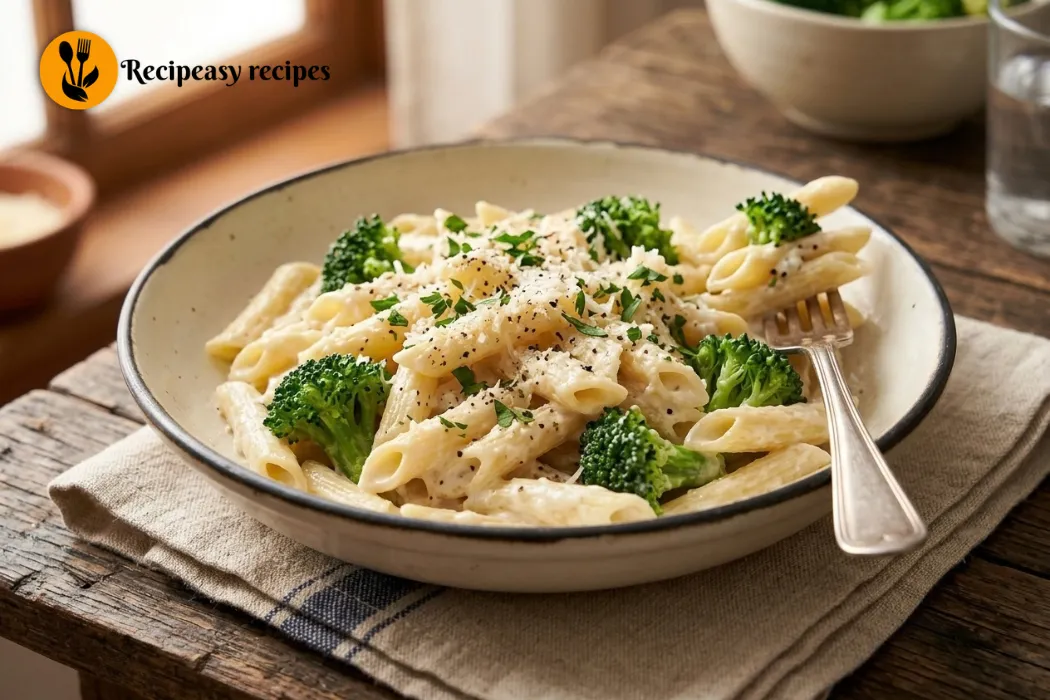
If you love a creamy white sauce but want something lighter, this cottage cheese pasta sauce will be your new weeknight favorite. It’s smooth, cheesy, and ready in about 20 minutes with just a blender and a pot of pasta.
Because you blend the cottage cheese until silky, you won’t see a single curd in the final dish.
Does It Really Taste Like Cottage Cheese?
This is the first question most people ask, and the honest answer is no. Once the cottage cheese is blended, it turns into a mild, creamy base that tastes a lot like a light Alfredo.
Also, the parmesan and garlic do most of the flavor work here. So instead of tasting like cottage cheese, the sauce tastes savory, cheesy, and a little bit garlicky.
Plus, this high-protein pasta sauce gives you a lot more staying power than a typical cream-based sauce. That makes it a great pick when you want comfort food that still feels balanced.
What You’ll Need
Here’s everything for this recipe. The list is short, and most of it is easy to find at any grocery store.
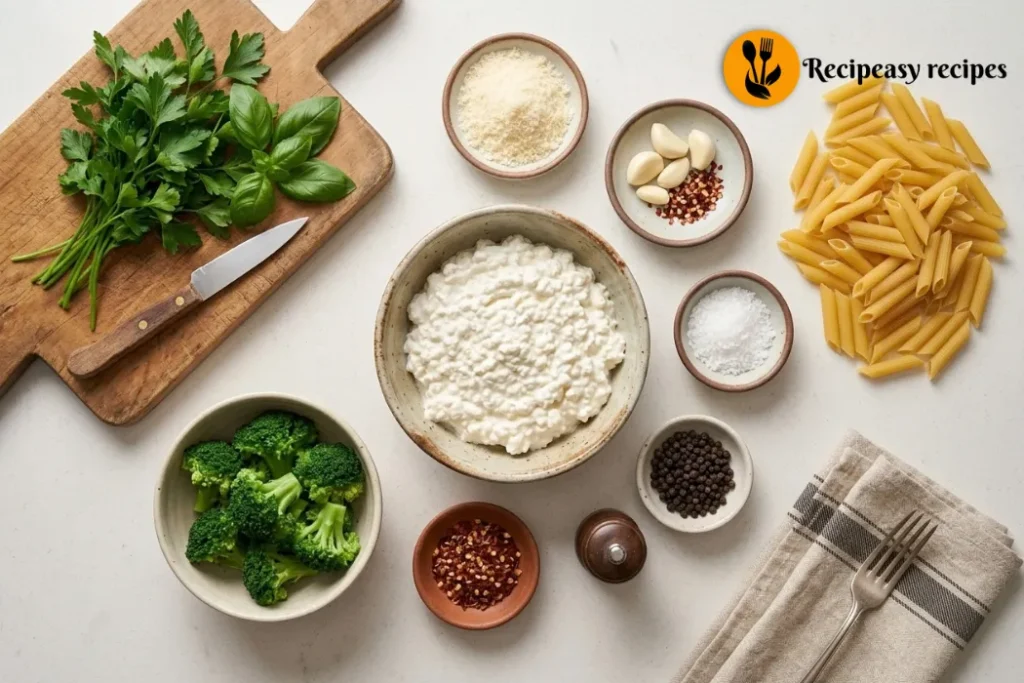
- 12 ounces pasta (penne, fettuccine, or rigatoni all work well)
- 1 1/2 cups cottage cheese
- 2 cloves garlic
- 1/3 cup grated parmesan cheese
- 1/2 teaspoon salt
- 1/2 teaspoon black pepper
- 1/4 teaspoon red pepper flakes (optional)
- 1/2 cup pasta water, plus a little extra if needed
- 2 cups steamed broccoli florets (optional)
- Fresh parsley or basil, for topping
Since the cottage cheese is the star of the sauce, pick one you like the taste of. Full-fat or 2% both work well. Small-curd cottage cheese also blends a bit more easily than large-curd, so grab it if you have a choice.
How to Make Cottage Cheese Pasta Sauce
This cottage cheese pasta sauce recipe comes together in just a few simple steps. Best of all, the sauce takes about as long to make as the pasta takes to cook.
Step 1: Cook the pasta.
Boil the pasta in salted water until it’s just tender. Before you drain it, scoop out about 1 cup of the starchy pasta water and set it aside. Then drain the pasta.
Step 2: Add the sauce ingredients to a blender.
While the pasta cooks, add the cottage cheese, garlic, parmesan, salt, pepper, and red pepper flakes to a blender or food processor.
Step 3: Blend until smooth.
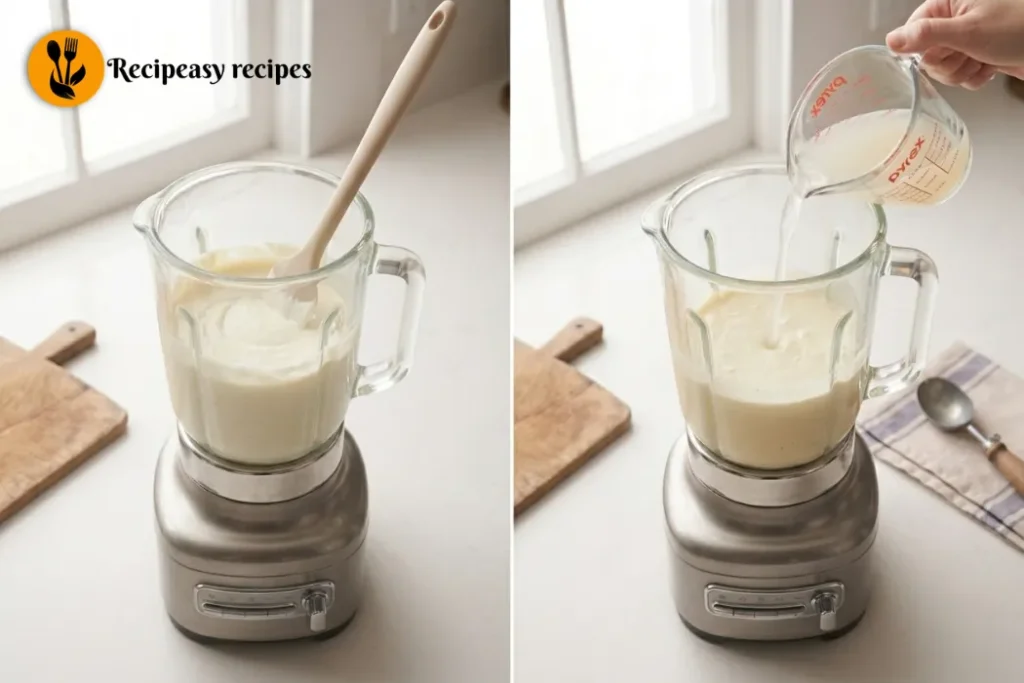
Blend on high for 30 to 60 seconds, until the mixture is completely smooth and creamy. Stop and scrape down the sides if you need to.
Step 4: Thin it with pasta water.
Pour in 1/2 cup of the warm pasta water and blend again for a few seconds. The sauce should look thick but pourable, like a light cream.
Step 5: Warm the sauce.
Pour the sauce into a large pan over medium-low heat. Stir often for 2 to 3 minutes, just until it’s warmed through. Try not to let it boil, since high heat can make the sauce grainy.
Step 6: Toss with the pasta.
Add the drained pasta to the pan and stir until every piece is coated. If the sauce looks too thick, add a splash more pasta water until it loosens up.
Step 7: Add veggies and serve.
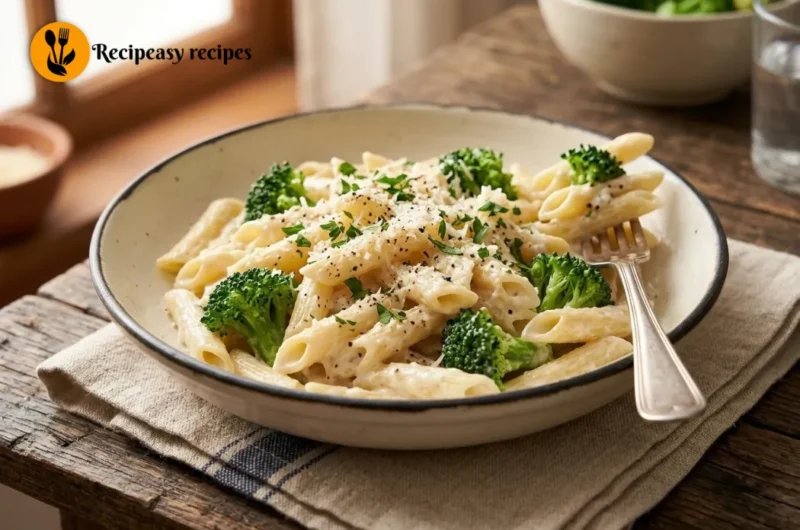
Stir in the steamed broccoli if you’re using it. Then top with fresh herbs and a little extra parmesan, and serve right away.
Tips for the Creamiest Sauce
Since the blending step is what gets rid of the curds, don’t cut it short. If the sauce still looks bumpy, keep blending for another 20 to 30 seconds.
Also, always use low, gentle heat when warming the sauce. Cottage cheese can turn grainy if it gets too hot, so patience really pays off here.
For truly creamy cottage cheese pasta, save that starchy pasta water. It helps the sauce cling to the noodles and gives it a smooth, glossy finish that plain water just can’t match.
Additionally, keep in mind that the sauce looks thick when it’s cold and thins out once it warms up. So if it seems a little loose in the pan, give it a minute or two before adding anything else.
Finally, taste before you serve. Since cheese brands vary in saltiness, you may want to add a little more salt or a squeeze of lemon juice to brighten things up.
Easy Variations to Try
This sauce is a great base, so it’s easy to change it up depending on your mood. Here are a few simple ideas.
Tomato version: Blend in 1/2 cup of marinara sauce along with the cottage cheese. This turns the sauce a pretty blush pink and gives it a mild tomato flavor.
Chicken and spinach: Stir in sliced grilled chicken and a big handful of fresh spinach right at the end. The spinach wilts in just a minute, and the meal becomes even more filling.
Extra garlicky: Sauté the garlic in a teaspoon of olive oil before blending. It mellows the flavor and makes the sauce taste a little richer.
Lemon pepper: Add a teaspoon of lemon zest and extra black pepper for a bright, fresh finish.
For a lighter weeknight dinner, this healthy Cottage Cheese Pasta Sauce also works well over whole wheat pasta or even zucchini noodles. Just keep in mind that veggie noodles release water, so you may want to pat them dry first.
Using It as a Cottage Cheese White Sauce for Pasta
If you’re craving something closer to a classic Alfredo, this recipe works well as a cottage cheese white sauce for pasta. Simply keep the garlic and parmesan the same, then add a pinch of nutmeg and a little extra pepper.
You can also use the sauce in baked dishes. For example, toss it with cooked pasta, pour it into a baking dish, top with mozzarella, and bake until bubbly. It makes a quick, cheesy pasta bake with very little effort.
What to Serve With It
This pasta is filling on its own, but a few simple sides make it feel like a full meal. A crisp green salad with a lemon dressing is a great match, since the acidity cuts through the creamy sauce.
You could also serve it with roasted vegetables, like asparagus or cherry tomatoes. Or, for something heartier, pair it with garlic bread or a side of sautéed mushrooms.
Storing and Reheating
Once the pasta cools, store leftovers in an airtight container in the fridge for up to 3 days.
When reheating, add a splash of milk or water to the pan, then warm it over low heat, stirring often. The sauce thickens as it sits, so that little bit of liquid brings it back to a creamy texture.
If you’d like to prepare ahead, you can blend the sauce and keep it in the fridge for up to 3 days. Then just warm it gently in a pan when your pasta is ready.
Common Questions
Can I use low-fat or fat-free cottage cheese?
Yes, though the sauce will be a little less rich. Full-fat or 2% usually gives the creamiest result.
Why is my sauce grainy?
This usually happens when the sauce gets too hot, or the cottage cheese wasn’t blended long enough. Blend until it’s completely smooth, and keep the heat on low.
Can I make the sauce without a blender?
A food processor or an immersion blender both work well. A regular whisk won’t break down the curds, so it’s best to use one of the other tools.
Does the sauce freeze well?
It’s better fresh or refrigerated. Freezing can change the texture of the cottage cheese, and the sauce may turn watery once thawed.
What pasta works best?
Any shape that holds sauce well is a good choice. Penne, rigatoni, fettuccine, and shells all work nicely.
Final Thoughts
Creating a comforting, restaurant-quality meal at home does not require expensive ingredients or hours of tedious kitchen cleanup. Truly, this recipe proves that a humble tub of dairy can easily transform a plain bowl of noodles into an extraordinary dinner. By using a basic blender to create your Cottage Cheese Pasta Sauce, you save time while giving your family a wholesome, delicious meal they will request again and again.
In conclusion, trying out this quick stovetop meal is a fun and rewarding experiment for any busy night of the week. So, open up your refrigerator, boil your favorite box of noodles, and enjoy a warm, comforting bowl of creamy pasta today!
Cottage Cheese Pasta Sauce:(High-Protein, No Cream Needed)
Course: Drinks, PastasCuisine: Italian, AmericanDifficulty: Easy4
servings5
minutes15
minutes500
kcalCreamy Cottage Cheese Pasta Sauce made with blended cottage cheese, parmesan, garlic, and pasta water. This smooth, cheesy sauce needs no heavy cream and comes together in about 20 minutes for an easy, satisfying weeknight meal.
Ingredients
12 ounces pasta (penne, fettuccine, or rigatoni)
1½ cups cottage cheese
2 cloves garlic
⅓ cup grated parmesan cheese
½ teaspoon salt
½ teaspoon black pepper
¼ teaspoon red pepper flakes (optional)
½ cup pasta water, plus more as needed
2 cups steamed broccoli florets (optional)
Fresh parsley or basil, for topping
Directions
- Cook the pasta: Boil pasta in salted water until tender. Reserve about 1 cup of pasta water, then drain.
- Blend the sauce ingredients: Add cottage cheese, garlic, parmesan, salt, black pepper, and optional red pepper flakes to a blender or food processor.
- Blend until smooth: Blend for 30–60 seconds until creamy, scraping down the sides if needed.
- Adjust the consistency: Add ½ cup warm pasta water and blend again until the sauce is thick but pourable.
- Warm the sauce: Pour into a large pan over medium-low heat. Stir for 2–3 minutes until warmed through. Do not let it boil.
- Combine and serve: Toss the pasta with the sauce, adding more pasta water if needed. Stir in optional steamed broccoli and top with fresh herbs and extra parmesan.
Notes
- Full-fat or 2% cottage cheese gives the sauce a creamy texture.
- Blend thoroughly to remove all curds.
- Use gentle heat to prevent a grainy sauce.
- Reserve pasta water to thin the sauce and help it coat the noodles.
- Optional variations include tomato sauce, chicken and spinach, lemon zest, or extra garlic.